Author: Dan Stewart

  • DRAFTPRO – DRAFT DAY HISTORY – PHILADELPHIA FLYERS

    DRAFTPRO – DRAFT DAY HISTORY – PHILADELPHIA FLYERS

    By Zackery Robert

    Moving on to the City of Brotherly Love we now check on the Broad Street Bullies better known as the Philadelphia Flyers. Drafting since 1967 the Philadelphia Flyers made some great choices in their time that have helped them win two Stanley Cups in the 1970s.

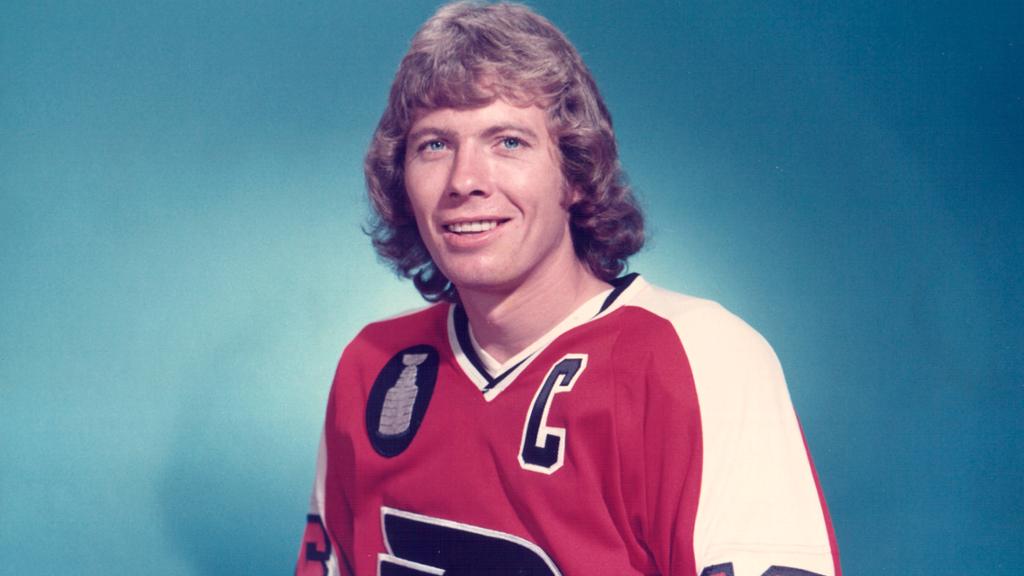
    We will start out in the 1969 draft where Philadelphia had the 17th selection in the second round and chose Bobby Clarke. Now this selection here gained Philadelphia their face of the franchise, if you were to ask people who the greatest Philadelphia Flyers of all time a vast majority of them would choose Bobby Clarke. Clarke would play his entire 15-year career with the Philadelphia Flyers, he would win three Hart trophies one Lester B. Pearson Trophy and one Selke trophy. Clarke would end his career with 1210 points in 1144 games played. He would Captain the Flyers to their two Stanley Cup victories in the 1970s and would be honoured with his number 16 being retired by the Philadelphia Flyers on November 15th 1984.

    Moving along we will now take a look at the 1972 draft where the Flyers held the seventh pick overall and chose a player who wore number seven during his career, Bill Barber. Playing between 1972 to 1984 Barber was one of the top Flyers players during the 70s and early 80s. With five 40 plus goal seasons, one of those reaching the hollowed 50 goal plateau, Barber was a lethal threat year in and year out to put pucks in the net. Scoring 25 points in 34 games combined during the 74 and 75 Stanley Cup winning playoffs Barber was a counted on source for the Flyers’ success.

    For the final high flyer we will go to a pretty obvious one, technically he was not a flyers draft pick but he refused to sign or play for the Quebec Nordiques so he was subsequently traded to the Flyers to begin his NHL career. Eric Lindros was the first overall pick in the 1991 draft and he was touted as the next generational player. It was Gretzky then Lemieux and now Lindros and he sure came out with a bang. Lindros scored 75 points in 61 games in his rookie year, notching 41 goals in the process. He would stay with the Flyers for eight years until losing out on a full season in 2000-2001 due to injury and then was traded in the summer of 2001 to the Rangers. During his eight years with Philadelphia he was a dominant force, standing at 6 ‘4 and 230 pounds Lindros was the archetype of a power forward. In his eight seasons in Philly he always had over a point per game and in the 1994-1995 season he finished with 115 points and won the Lester B. Pearson and Hart trophies as the league MVP. He scored four seasons of 40 plus goals and had two other 90 plus point seasons, both seasons he missed 10 plus games as well. Lindros was a phenom and unfortunately we never got to see his true potential realized long term due to the terrible injuries he suffered throughout his career. On January 18th 2018 the Flyers retired Lindros’ jersey to cement him as one of the greatest Flyers of all time.

    Moving along to picks that did not age like fine wine, first we will go back to a pretty recent draft in 2017 where the Flyers won the lottery to move up to the second spot in the draft. Picking Nolan Patrick who was touted as the number one prospect for quite some time before Nico Hischier took over and was the first overall selection. Patrick has not had it easy so far in his career, riddled with injuries and sub par performance when not injured, it is beginning to look like Patrick’s full potential will not be realised at the NHL level. Patrick played from 2017-2021 with the Flyers before being traded to the Nashville Predators for Ryan Ellis. In his three seasons Patrick played at most 73 games and his career high was 31 points. He scored a total of 70 points in 197 games for the Flyers. 2017 had names like Cale Makar at pick four and Miro Heiskanen at pick three and Elias Pettersson at pick five and Martin Necas at pick 12, so this pick could have had an immense upside that was missed.

    Moving along to 2013 the Flyers were picking just outside the top ten at number 11 and chose massive 6 ‘6 winger Samuel Morin. Morin struggled mightily to gain traction in the NHL finally playing one regular season game in the NHL in the 2016-2017 season but would not return until next season for two games. He would gain another 26 NHL games before finishing his career. In his total 29 games he scored one goal. This pick was heavily scrutinised as time went on and it just did not age well looking back, especially as the next five picks from this 2013 draft are all NHL regulars to this day.

    Another player who struggled to gain traction for the Flyers was that of 1999 first round pick Maxime Ouellet. He was a goalie elected 22nd overall in 1999 and went on to play two games for the Flyers, gaining no wins, and would spend the rest of his time with the franchise in the minor league. He would be traded along with many other assets to the Washington Capitals in March of 2002 for Adam Oates, Oates would however only play 14 games for the club before leaving in free agency for Anaheim. Ouellet’s tenure was just an all around bust for the Flyers, choosing a goalie is always risky, but it is even higher risk when it is done in the first round, and unfortunately this pick did not pan out.

    Furthermore, never looking back and always looking forward we will move away from the past and move to the present, where we see the 2023 Philadelphia Flyers selecting at the number seven spot in this year’s draft, in total the Flyers have nine picks in this years draft, 1st, 3rd (NYR), 3rd (FLA), 4th, 4th (EDM), 5th, 6th, 6th, (OTT), 7th. Currently the Flyers do not have a whole heck of a lot when it comes to top tier prospects, their best is last year’s fifth overall pick Cutter Gauthier and he looks to be a solid A level prospect putting up 37 points in 32 games for Boston College last season. Other than that there isn’t much to write home about so at number seven Philly should pick the best available player. So any of Dvorsky, Moore or Leonard would be great additions to their team moving forward, all high quality and high offensive forwards that will help Philadelphia move toward being a playoff contending team in the future once again.

    For more information on the 2023 NHL Draft class be sure to pick up your copy of the comprehensive DraftPro 2023 NHL Draft Guide.
    https://draftprospectshockey.com/draftpro-2023-nhl-draft-guide/
  • DRAFTPRO – DRAFT DAY HISTORY – OTTAWA SENATORS

    DRAFTPRO – DRAFT DAY HISTORY – OTTAWA SENATORS

    By Zackery Robert

    Across the river from the big apple we go and onwards into the capital of Canada we will take a look at the Ottawa Senators and their draft day history.

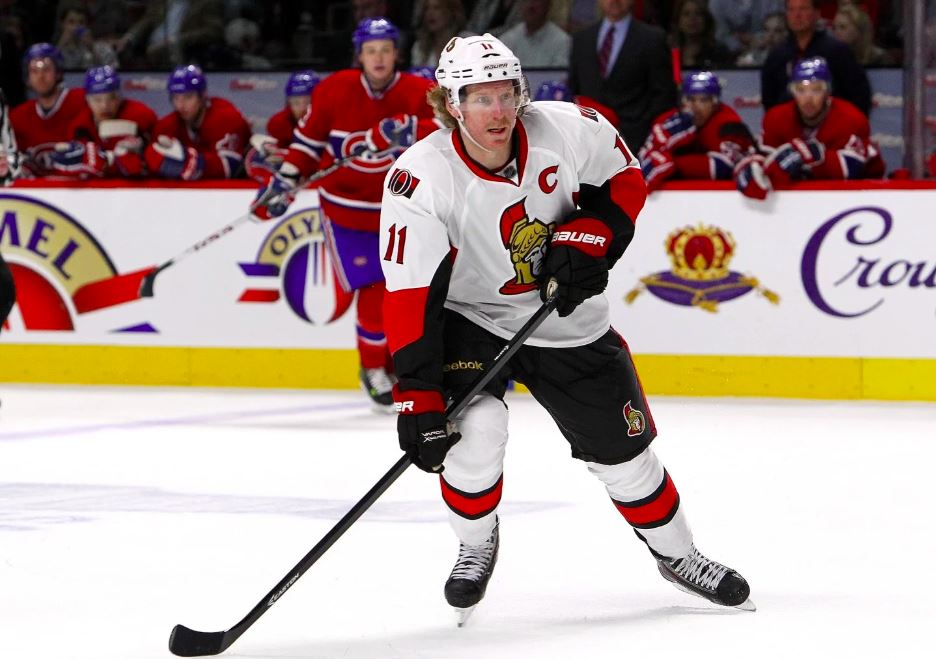
    Ottawa had their first draft back in 1992 and from there on they have made some big selections that have helped shape the history of their franchise. To start off we will take a look at the 1994 draft where in the sixth round at pick 133 the Ottawa Senators chose their franchise’s greatest player Daniel Alfredsson. Coming into the NHL for the 1995-1996 season Daniel Alfredsson put up an impressive 61 points in 82 games to win the Calder trophy as rookie of the year in 1996. Alfredsson would go on to have a very successful career as a Senator, he would hit the 100 point mark once in his career in 2005-2006 and would finish his career with the Senators with 1108 points in 1178 games. He would play one more year before retirement with the Red Wings but would sign a one day contract to retire as a Senator. On December 29th 2016 Alfredsson became the first Ottawa Senator to have his jersey retired by the franchise.

    Next up we go to the 2001 draft where after Ilya Kovalchuk went number one, Ottawa was up at number two and chose their first line centre for the next 10 plus years Jason Spezza. Playing in Ottawa between 2002-2014 Spezza was a fan favourite and one of their biggest weapons during that time. He had four seasons of over a point per game with his career high in 2008 of 92 points. Spezza was a two time all star in 2008 and 2012 and he will most certainly have his number retired by Ottawa when his career is all said and done.

    Finishing off some of the best, we will look at the 2008 draft where the Senators held the 15th pick and went on to choose one of the best defenseman of the 21st century Erik Karlsson. Karlsson would play for the Senators from 2009-2018 and in that time he would cement himself as one of the top defenseman in the league. He won two Norris trophies during his time in Ottawa in 2012 and 2015 and went into five all star games and was a four time first all team player during his time in Ottawa.

    Moving on to pics that were not the best for Ottawa we will stop at the 1993 draft where Ottawa held the first overall pick. With having the franchise’s first ever first overall pick in this draft they took the opportunity to select Alexandre Daigle. Daigle was a bad choice for first overall for a myriad of reasons, one is work ethic was not consistent, two is point production for Ottawa was not where it needed to be when selected as a first overall forward and three, there were two years he did not play to pursue other endeavours. It does not look like hockey was taken very seriously given that two year gap.

    Moving along we stopped at the 1998 draft where Ottawa held the 15th overall pick and chose goaltender Mathieu Chouinard. Chouinard would defer, through lack of appropriate contract and go back into the NHL draft for the year 2000 and be selected this time in the second round at the 45th selection by none other than the Ottawa Senators once again. Once Chouinard was finally his pro career for the Senators virtually ended. Chouinard played one game in the NHL for the Los Angeles Kings in 2003-2004 playing in two minutes of action and facing two shots in that time. After that Chouinard played the rest of his career in the IHL, AHL, ECHL and a brief stop in the LNAH league, finally retiring at the end of the 2006 season.

    Finishing off we will head to the 2002 draft where Ottawa held the 16th pick and went with Jakub Klepis. Klepis never even had the opportunity to suit up for Ottwa in any capacity because in 2003 he was traded away to the Buffalo Sabres for Vaclav Varada and a fifth round pick who was eventually Tim Cook and they never played in the NHL. The return they got for a mid round first round pick was pitiful, Varada played in parts of three seasons for the Ottawa Senators, scoring 39 points in 117 games played. This selection ended up being a waste because there was nothing that came out of drafting Klpeis with the 16th overall pick, there were plenty of more Worthy prospects to select at that pick, some that may even have given some value back to Ottawa through their play rather than just being traded away for a player who scored a mere 39 points in those 117 games and then went to take his skills over to Europe the following season.

    However the current day Ottawa Senators are looking up, quite up to be certain, Ottawa has made some very high value trades in the past few seasons acquiring players like Alex Debrincat and Jakob Chychrun, as well as drafted a few highly talented players and defenseman Jake Sanderson and Center Tim Stutzle. With their core relatively young and on the higher side of talent Ottawa looks to be a potential threat in the years to come. This will come as good news to Ottawa Senator fans as if they were to look at what their team has for picks in this upcoming draft, one of the deepest drafts in terms of talent over the past 10 years, they would cry. Ottawa does not select currently until the fourth round of this coming entry draft and after that Ottawa will look to select once in the fifth round and three times in the 7th round. Not too often do a franchise find that high Talent player this deep in the draft but crazier things have happened. Given that Ottawa will make their first selection in the fourth round around pick number 108 a couple players that may be available that they should take a look at are goalie Jacob Fowler and right wing Connor Levis.

    For more information on the 2023 NHL Draft class be sure to pick up your copy of the comprehensive DraftPro 2023 NHL Draft Guide.
    https://draftprospectshockey.com/draftpro-2023-nhl-draft-guide/
  • DRAFTPRO – DRAFT DAY HISTORY – NEW YORK RANGERS

    DRAFTPRO – DRAFT DAY HISTORY – NEW YORK RANGERS

    By Zackery Robert

    Staying in the big apple we will now take a look at the Rangers franchise and their draft day history. Drafting since 1963 the Rangers have had some success but not as much as you may think through the draft in their history.

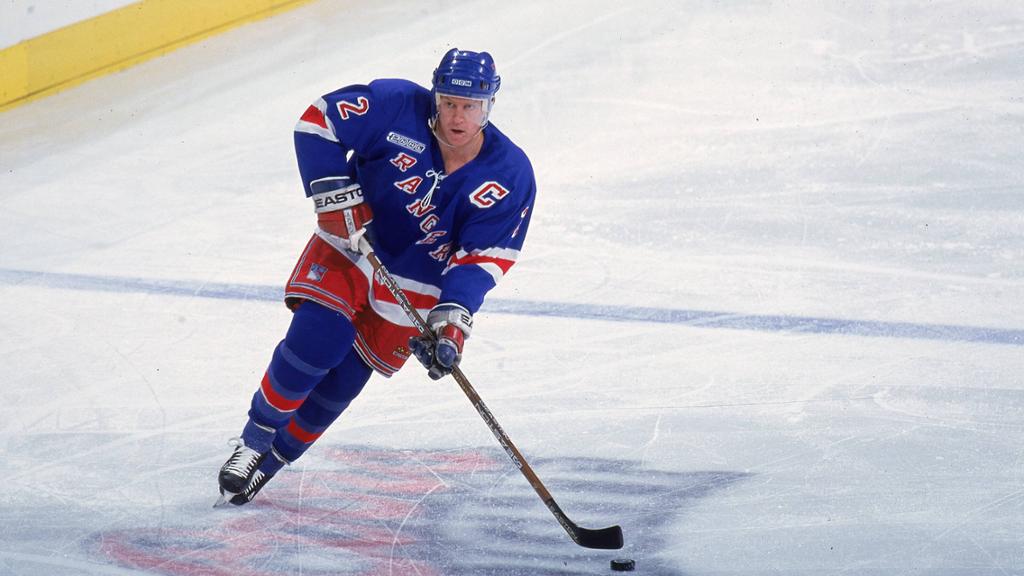
    To start it off we will talk about a few good picks they did make during their history. In 1986 the Rangers made one of their most prolific picks in their history. With the ninth selection in the 1986 draft the Rangers chose Franchise defenseman Brian Leetch. Leetch was an offensive dynamo for the Rangers during his day, he was the last defenseman, until Erik Karlsson this season, to hit the 100 point mark, Leetch won two Norris trophies with the Rangers in 1992 and 1997 and was the Conn Smythe winner in 1994 for the Rangers’ one and only cup win, Leetch had 34 points in 23 games played in that run. He was captain of the New York Rangers between 1997-2000 and when Leetch retired, the New York Rangers retired his number two at MSG on January 28th 2008.

    Moving on to the Millenium and the 2000 NHL entry draft. The Rangers waited until the seventh round to select their franchise goalie Henrik Lundqvist. Even though it took Lundqvist until the 2005-2006 season to make his North American debut for the Rangers it was worth the wait. He ended his rookie season with 30 wins and a 922 save percentage and that was only the beginning of king Henrik’s reign over the net. Lundqvist would go on to win 459 games and grab one Vezina trophy in 2012 for good measure. He was the backbone for the Rangers for 15 years and they never had to worry about who was their starter. He brought the Rangers to the Stanley Cup final but was unable to capture the elusive Stanley Cup. However, the mark he left on the franchise and the city was unmatched and will not be matched anytime soon. He was cemented in Rangers legacy on January 28th 2002 with his number 30 sent up into the rafters of Madison Square Garden.

    The final player to talk about for this part of the article is 1985 draftee, Mike Richter. Richter was drafted in the second round 28th overall and became the permanent starting goalie for the Rangers after they traded John Vanbiesbrouck to the Vancouver Canucks at the end of the 1993 season. Richter would go on to backstop the Rangers to their only Stanley Cup in Franchise history in 1994. He would end up retiring at the end of the 2003 season. Richter would finish his career only playing with the Rangers and registering 301 wins in the process. He would get his jersey number 35 retired by the Rangers on February 4th 2004.

    Now moving away and on to players who never panned out for the Rangers. Starting in the 1990 where the Rangers used their 13th overall selection to draft defenseman Michael Stewart. Now Stewart would play two more years at Michigan State before turning pro and when he did he never got above the AHL level. He spent some time in the IHL as well before taking his skills overseas and playing in the DEL league and in Austria until his retirement from pro hockey at the end of the 2010 season. He never once laced up the skates for the Rangers in a regular season game. Some notable players drafted after Stewart in the 1990 draft would be Keith Tkachuk 19th overall, Martin Brodeur 20th overall and Felix Potvin 31st overall.

    Moving further into the 90s we have the 1996 draft where the Rangers held pick number 22 and used it to select defenseman Jeff Brown. Just like Stewart, Brown would take two more years after his draft before turning pro and when he did it was a lot of the same as Stewart never getting above the AHL level in North America. Brown would play in the AHL, UHL, ECHL, and then over in Europe he would play in the BISL until coming back to North America until retirement at the end of the 2007 season.

    Moving only one year later to the 1997 draft, the Rangers hold pick 19 and use it on forward Stefan Cherneski. Cherneski would have the same trajectory as the two former players spoken about above. After turning pro at the beginning of the 1998 season Cherneski would only play for three seasons between 1998-2001 before hanging up his skates and all those games were for the affiliate of the Rangers organisation, the Hartford Wolf Pack. A couple other options the Rangers could have gone for that would have panned out given history would have been, Scott Hannan drafted 23rd overall, Brenden Morrow drafted 25th overall, and Brian Campbell drafted 156th overall.

    Now flash forward to the 2023 Rangers and you will see a team with a lot of upside to them. They have a top five goalie, some top forwards and a top five defenseman in the league, and with nine first round picks since 2017 the Rangers look to be pretty set up. However due to their lacklustre development of their prospects many of those top picks have either stumbled out of the gate and been traded away or are struggling to develop their game in the Rangers’ system. It is a scary sign for any prospect to see this.

    Looking towards the 2023 draft the Rangers hold four picks in the draft this year, 1st, 3rd (COL), 6th, 6th (WPG). With their early exit in the Playoffs the Rangers could expect a pick in the first round around the 22nd spot. Looking at who could be potentially available at that spot the Rangers could choose Gavin Brindley, Ethan Gauthier or Hunter Brzustewicz. Given their development trends over the past 5-8 years what would be best for the Rangers would be to take the best available player with the most natural talent so there is less need for development and more of just some seasoning either in juniors or college until they’re ready to make an impact for the Rangers.

    For more information on the 2023 NHL Draft class be sure to pick up your copy of the comprehensive DraftPro 2023 NHL Draft Guide.
    https://draftprospectshockey.com/draftpro-2023-nhl-draft-guide/
  • DRAFTPRO – DRAFT DAY HISTORY – NEW YORK ISLANDERS

    DRAFTPRO – DRAFT DAY HISTORY – NEW YORK ISLANDERS

    By Zackery Robert

    Moving on to the city that never sleeps, we will stop here for two different teams and first up is the New York Islanders. The Islanders were a force in the ’80s winning four Stanley Cups, they have been drafting since 1972 and have drafted quite a few good players in their time.

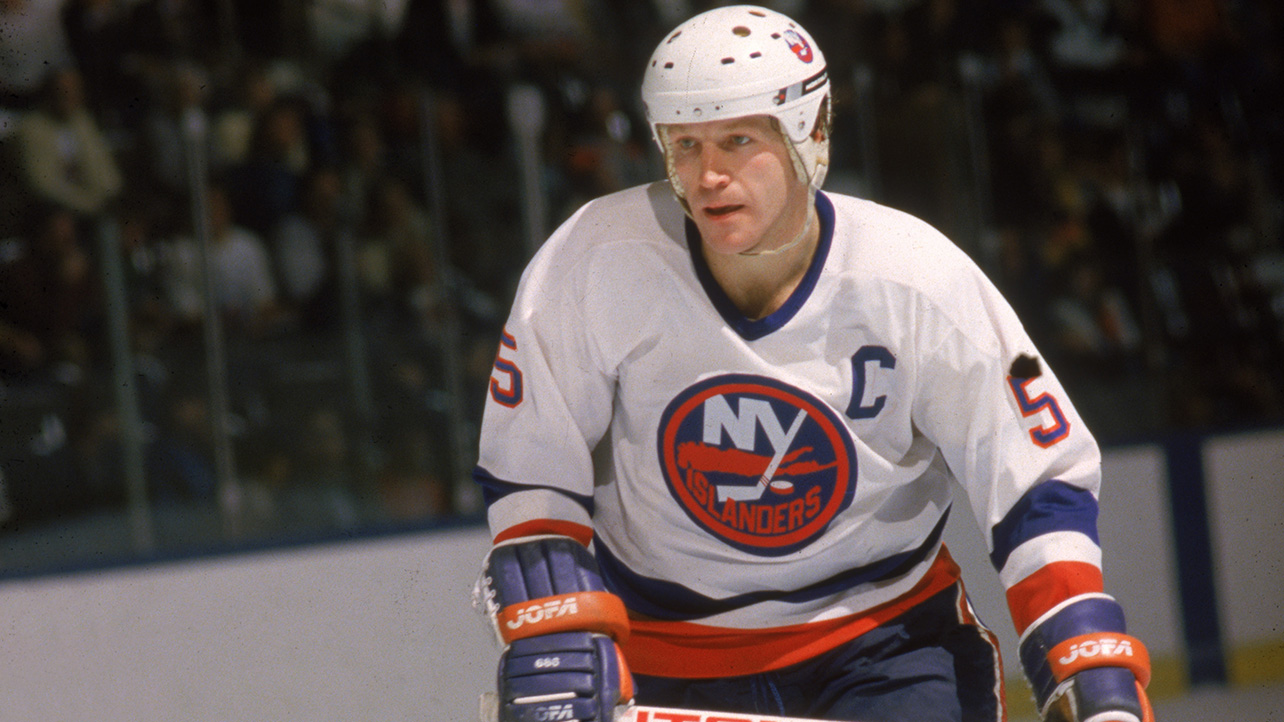
    First up we will take a look at the 1973 draft where the New York Islanders held the first overall pick and chose defenseman Denis Potvin. Denis Potvin was successful right out of the gate for the New York Islanders. He won the Calder trophy for rookie of the year in 1974 and he would go on to win three Norris trophies as the league’s top defenseman in 1976 1978 and 1979. Potvin would be a part of the Islanders Dynasty in the ’80s helping them capture four Stanley Cups. Potvin played 1,060 games in the NHL, all for the Islanders, and in those games he amassed 1,052 points. Potvin had a career high of 101 points in a single season during the 1978-1979 season. Potvin would play in the NHL from 1973 until his retirement at the end of the 1988 season. and on February 1st 1992 the New York Islanders retired Denis Potvin’s jersey in front of the New York Islanders fans.

    Coming up next we stay in the 70s and we look at the 1974 draft where in the second round the New York Islanders selected Bryan Trottier with the 22nd overall pick in that 1974 draft. Trottier would play with the Islanders from 1975 until the end of the 1990 season and during that time Trottier would help the Islanders secure their forced Stanley Cups in the 1980s. Trottier would also have quite the personally successful time with the Islanders, he won the Calder trophy in 1976, he also won the Hart trophy and Art Ross trophy in the 1978-1979 season, he scored 134 points in 76 games. Trottier also won the Conn Smythe in the 1980 playoffs as playoff MVP. Trottier scored a total of 1353 points in 1123 games for the New York Islanders, and on October 20th 2001 the New York Islanders retired Trottier’s number 19.

    For this last choice of best Islanders draft picks we will head to 1977 in the first round at pick number 15 where the New York Islanders selected Mike Bossy. Due to injuries Bossy would only end up playing 752 games in the NHL between 1977 and 1987 but in those 752 games Bossy scored an impressive 573 goals and 553 assists for a total of 1126 points. Between 1977 and 1986 Mike Bossy would not end a season under 51 goals, so for a full nine years Mike Bossy was one of the most feared goal scorers in the NHL. Bossy would win the Calder trophy in 1978 and the Conn Smythe trophy in 1982. Bossy would also win three Lady Byng trophies in 1983, 1984, and 1986. Due to injuries Mike Bossy would retire at the end of the 1987 season, he would subsequently be inducted into the Hockey Hall of Fame in 1991 and have his jersey number 22 retired by the New York Islanders on March 3rd 1992.

    Moving on to pics that the New York Islanders would like to forget we will start in the 2012 draft where the New York Islanders held the 4th overall pick and chose Griffin Reinhart. Reinhart was touted as the best defenseman in that draft class and had a lot of potential, but when he hit the ice he was never able to meet that potential. Reinhart played in only 37 games in his NHL career scoring only 2 points in that time. He was traded to the Edmonton Oilers in 2015 for a first round pick which ended up being Current Islanders star Mathew Barzal so that would have been the peak of good that Reinhart did for the organization. When in Edmonton it did not get any easier for Reinhart to play in the NHL so he left North America at the end of the 2018-2019 season and went to play in the KHL, and the DEL league and the EIHL.

    Next up we will move to the 2014 NHL entry draft where the New York Islanders held the fifth overall pick and chose forward Michael Dal Colle. Now Dal Colle had quite a lot of potential going into the NHL entry draft, he was a big body that had quite the offensive upside. However none of that offensive upside has been able to translate over into the NHL to date as Dal Colle has only played in 112 games since being drafted and has scored only 21 points in those games. Currently Dal Colle is in the Finnish Elite League playing for TPS Turku where in his first season he scored a total of 19 points in 36 games. It is safe to say that this pick did not turn out the way the New York Islanders had hoped for.

    Finally we will take a look at the 1994 draft where the New York Islanders held the ninth overall pick. In this draft the Islanders drafted Lindros but not the one that you are probably thinking of, but his brother Brett. Now Brett did not have all of the hype that his brother Eric had to be fair but the reason he ends up on this list is because he was drafted ninth overall and was only able to play in 51 games overall and scoring seven points in those 51 games. Putting the name aside this would be quite the disappointing outcome for any 9th overall pick in the draft, Lindros was not able to gain traction in the NHL and after the 1996 season Lindros retired and did not play anymore professional hockey. There were many better options for the Islanders to pick at this time in the draft, players like Patrik Elias who was drafted in the second round or players who were drafted just a few picks after Lindros such as Ethan Moreau or Mattias Ohlund both drafted within the next five picks after Lindros.

    Currently the New York Islanders are looking for answers after a fairly disappointing season, unable to make it past the first round of the playoffs they find themselves looking towards the NHL entry draft where they will have to wait until the second round to make their first selection. The Islanders hold five picks in this upcoming draft and with their first pick being in the second round they will look to draft somewhere around pick 49. In fact the Islanders have not held a first round draft pick since 2019 so their Prospect pool could be headed for some dangerous grounds if they do not select in the first round soon. being that their first pick is going to be in the mid second round range their best bet would be to take the best available player at that time. They do not need a goalie currently so two players that could be of great help to the Islanders in the future around that mid second round range could be winger Quentin Musty or defenseman Caden Price.

    For more information on the 2023 NHL Draft class be sure to pick up your copy of the comprehensive DraftPro 2023 NHL Draft Guide.
    https://draftprospectshockey.com/draftpro-2023-nhl-draft-guide/
  • DRAFTPRO – JUNE 2023 NEWSLETTER

    DRAFTPRO – JUNE 2023 NEWSLETTER

    Want to know which NHL Draft prospects are thriving? Who might be faltering? Who has taken a big step in the eyes of scouts? Or who might be dropping down rankings due to a developmental red flag?

    DraftPro is proud to provide all the latest news and prospect developments in a tidy bi-monthly digital newsletter for those who want to stay up to speed all season long on the current draft crop. For the low price of $3.99 (CAD) the crew at DraftPro offers in each Newsletter a season update, an up-to-date rankings, and dozens of recently gathered scouting reports on the current draft crop as our scouts detail the progress of hundreds of eligible prospects throughout the season.

    The Newsletter will be release bi-monthly meaning every six to eight weeks so fans can track along with our scouts the development of the prospects NHL teams will be watching.

    In the June release you will have access to our teams comprehensive IIHF U18 WJC review with scouting reports on 80+ prospects as they play the last hockey and make final impressions for their draft seasons, a NHL Scouting Combine review from our own Director of Scouting Jared Brown, as well as a two-round mock draft with these final impressions (U18’s and Combine impacts) in consideration from Jared in this 30+ page offering.

    Purchase the DraftPro June Newsletter Issue for just $3.99 by clicking the below link.

    For more information be sure to pick up your copy of the DraftPro 2023 NHL Draft Guide in both print and digital.

    https://draftprospectshockey.com/draftpro-2023-nhl-draft-guide/
  • DRAFTPRO – DRAFT DAY HISTORY – NEW JERSEY DEVILS

    DRAFTPRO – DRAFT DAY HISTORY – NEW JERSEY DEVILS

    By Zackery Robert

    Now, moving on to the land where Bruce Springsteen calls home, we will now take a look at the New Jersey Devils and their draft day history. The New Jersey Devils began drafting in the NHL in 1982 and have had some great selections during their time up on the clock.

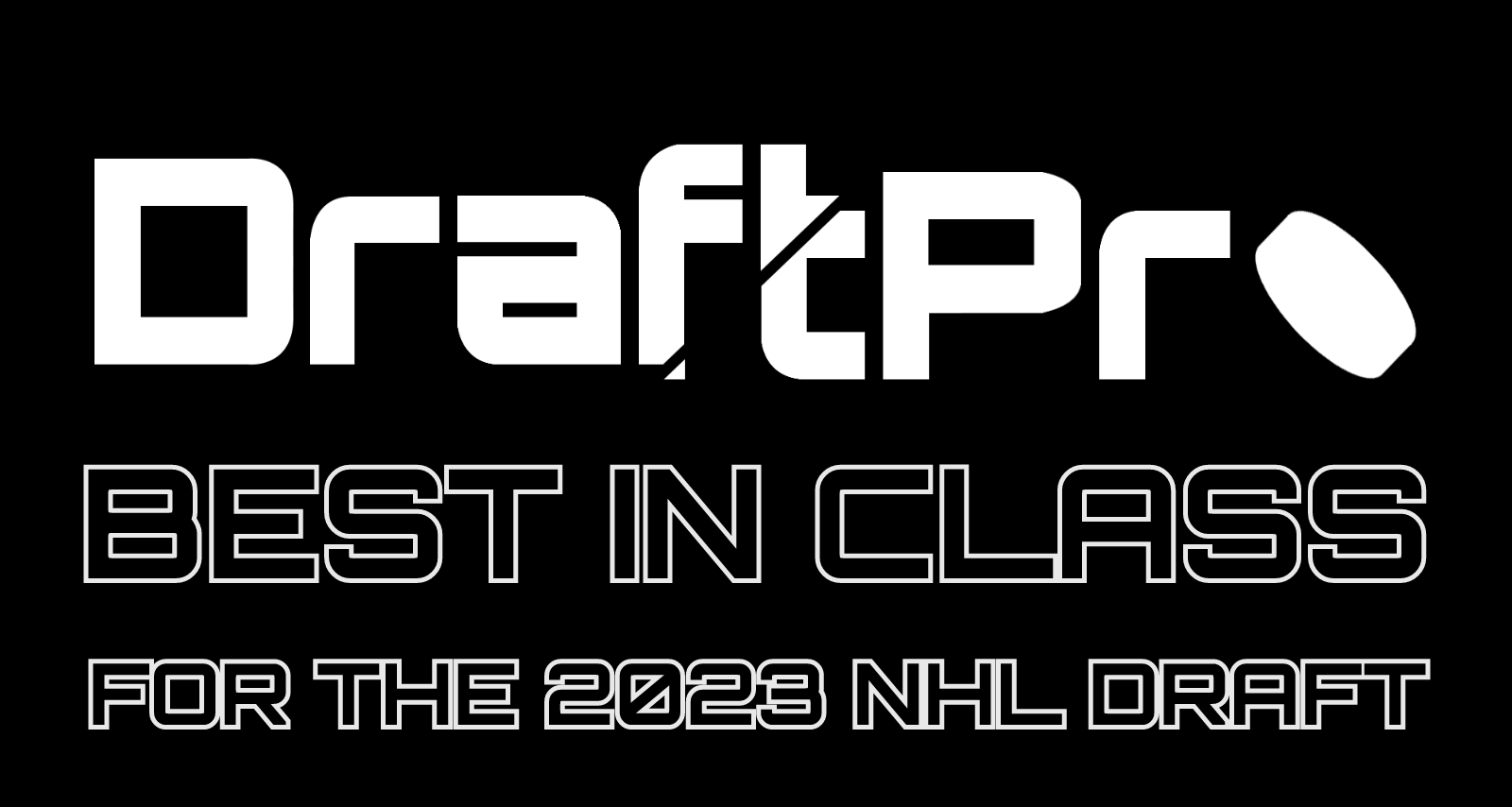
    To begin we will look back at the 1990 draft where the New Jersey Devils possibly made their most crucial draft choice ever when they selected Martin Brodeur in the first round. Brodeur has gone down as an all-time Legend and the all-time wins leader in the NHL he played all but one of his Parts of 22 seasons with the New Jersey Devils, capturing three Stanley Cups during his time with the organisation. Martin Brodeur took home the Calder trophy as the league’s top rookie during his rookie season and he went on to win four Vezina trophies and five Jennings trophies as the league’s top goalie. Brodeur would tally eight 40 plus win seasons for the Devils and would go to seven All Star games during his tenure with the team as well. Martin Brodeur would go down winning a total of 691 games to obtain the record for most wins in league history, of which Brodeur won 688 of those games in a New Jersey Devils sweater. Martin Brodeur would have his jersey retired on February 9th 2016 in the Prudential Center in front of the New Jersey Devils fans.

    Coming up next we will go back in time to the 1982 draft where the New Jersey Devils would select Ken Daneyko with the 18th pick in the first round. Daneyko spent his entire 20 year career with the New Jersey Devils, he was a part of the team’s three Stanley Cup winning seasons and he also won the Bill Masterton trophy in 2000. Daneyko was a hard-hitting tough nosed defensive defenseman for the Devils, playing alongside the likes of Scott Stevens made the New Jersey Devils a formidable force on the blue line and that most certainly helped them capture those three Stanley Cups between 1995-2003. Upon his retirement at the end of the 2003 season the New Jersey Devils retired Ken Daneyko’s Jersey on March 24th 2006.

    Moving along and back into the 90s we will look at the 1994 draft Where in the second round at pick number 51 the New Jersey Devils selected one of their all-time greatest forwards Patrik Elias. Elias would play for the New Jersey Devils between 1995 and 2016 before retiring with the club, at the time of his retirement Elias held the record for most points in a single season for a New Jersey Devils player and he also played a crucial role in helping the New Jersey Devils to capture their second and third Stanley Cups and 2000 and 2003. As previously mentioned Elias held the Devils’ single season record for most points scored with 96 points in the 2000-2001 season, a record that held up until just this season. Elias would be honoured by the New Jersey Devils and have his jersey number 26 retired at the Prudential Center on February 24th 2018 in front of the New Jersey Devils faithful.

    Moving on from the greatest Devils to the not so greatest Devils we will go back to the 1982 draft where the Devils began their draft day history. The devil’s held the eighth overall pick in that draft and chose centre Rocky Trottier. Trottier would go on to play in only 38 games in his NHL career all with the Devils. After leaving the NHL in 1985 Trottier would go on to play in the AHL and overseas in the Swedish Elite League and in the German league. Trottier would retire with a total of 10 points in those 38 NHL games played with the Devils.

    Staying in the ’80s, we are going to take a look at the 1986 draft where the New Jersey Devils held the third overall pick in that draft and chose centre Neil Brady. After getting drafted Brady would begin his pro career in the 1988 1989 season and would spend the next four seasons with the New Jersey Devils organisation before moving on via trade with the Ottawa Senators in which the return for Brady in that trade was future considerations. Brady would only play 29 of his 89 games with the New Jersey Devils and in that time Brady scored two goals and four assists for a total of six points in those 29 games. Brady would amass a total points of 31 in those 89 games in the NHL. After a brief stint with the Dallas Stars in the 1994 season Brady would finish out his career in the IHL eventually retiring in 2001.

    We will finish off with the last draft of the 80s decade, in 1989 the Devils held the 18th overall pick and chose forward Jason Miller. Miller played a total of six games in the NHL all of which were for the New Jersey Devils, he was unable to tally any points during those games and when he eventually left the NHL in 1993 he went on to play in the AHL for two seasons. After the 1995 season, Miller would play in Europe and Scandinavia in The Finnish Elite league and the German league and in the DEL, along with two seasons in the IHL in between his playing career in Europe. Miller would officially retire at the end of the 2010 season after two seasons with the Dresden Ice Lions of the 2nd Bundesliga German league now known as DEL2. What makes this pick even harder to swallow is that the New Jersey Devils passed on players like Olaf Kolzig who was drafted right after Miller and Adam Foote who was 22nd overall and Nicklas Lidstrom who was 53rd overall and Sergei Fedorov who was 74th overall.

    In the current day, the New Jersey Devils look to be a formidable Force for the foreseeable future. With a potential future top five player in the league in Jack Hughes and a great core of players like Jesper Bratt, Nico Hischier, Luke Hughes, Timo Meier and 2022 2nd overall pick Simon Nemec, New Jersey looks like they could dominate the Eastern Conference. With their second round exit in this year’s playoffs New Jersey will now look to the 2023 NHL entry draft. New Jersey holds five picks going into this draft where their first pick will be in the second round somewhere in between pick 57 to 60. Right now New Jersey looks like they are in a very good spot with their prospect pool. They have a good amount of high quality forward prospects and defence prospects and with Nico Daws as their top goalie prospect, New Jersey can look to take the best available when they come up to the podium. With that being said, a good prospect from each position that the Devils could have the potential of drafting would be goalie Carson Bjarnson, forward Luca Pinelli, and defenseman Jakub Dvorak.

    For more information on the 2023 NHL Draft class be sure to pick up your copy of the comprehensive DraftPro 2023 NHL Draft Guide.
    https://draftprospectshockey.com/draftpro-2023-nhl-draft-guide/
  • DRAFTPRO – BEST IN CLASS – 2023 OFFENSIVE DEFENSEMAN

    DRAFTPRO – BEST IN CLASS – 2023 OFFENSIVE DEFENSEMAN

    Top 10 Offensive Defensemen in the 2023 NHL Entry Draft

    By Isaiah Bouchard

    The 2023 NHL entry draft is getting ever closer to hockey fans, and the excitement fans have for who their teams are going to draft this year is ever higher as the regular seasons across the globe are coming to an end, and playoff season is just around the corner. And there is a lot for fans to be excited for this year, as the draft is looking like one of the strongest in years.

    Connor Bedard is looking increasingly like a franchise-level player, rivaling the likes of Sidney Crosby, Alex Ovechkin, Nathan Mackinnon, Austin Matthews, and Connor McDavid. Adam Fantilli would have been a first-overall pick in arguably the last six drafts, Leo Carlsson is the next big center to come out of Sweden, and he is a must-grab in the top 5. And, of course, there is the Russian sniper: Matvei Michkov, who, despite being signed to the KHL until 2026, is so good that any team picking in the top 5 will be more than willing to wait for the Russian star.

    But after the big 4 in this year’s draft, who fills out the remaining slots is always an exciting mystery come draft day. Teams must allocate their scouting resources to best support the organization’s roster on draft day. Who needs the top defensemen? Say, over-the-top sniper or goaltender? That is why we at DraftPro are excited to present an in-depth look at every position and who best thrives in that position. Who is the best sniper? The best power forward? offensive defensemen? Hopefully, after this 8-part series, all these questions will be answered.

    Seven DraftPro scouts were asked their top 5-7 players for the following positions: sniper, playmaker, two-way forward, power forward, offensive defenseman, defensive defenseman, two-way defenseman, and goaltender. Their lists were recorded separately, and then once all seven scouts handed in their lists, their results were compared to one another. The final lists you read here determined the average each player placed. This is not a ranking of the best players overall, simply a ranking of who is the best for each given position. Players may be placed on multiple lists, as many players are not one-dimensional, and can not be forced into one category.

    Thank you to the following scouts for providing their lists: Jared Brown, Matt Hnatiuk, Tyler Karoway, Andrew LeBlanc, Murray Caldwell, Andy Miller, and Jody Horak.

    One of the most common archetypes for defensemen you will see in the NHL and every other league is the offensive defenseman. As the title suggests, offensive defensemen are the blue-liners who focus more on contributing to the offensive output of the game. These defensemen tend to put up much more points than their defensive counterparts and often seem more like a forward at times than a traditional view of a defenseman. Height and weight are not necessary for an offensive defenseman, and even a defensive tool set isn’t necessary. Of course, both these things are nice to have in every player, but what the offensive defensemen provide is a secondary scoring threat that can add much-needed depth to a team’s offensive repertoire.

    With that being said, here are DraftPro’s Top 10 Offensive Defensemen in the 2023 NHL Entry Draft:

    First, our honorable mentions, players who were listed by at least one of our scouts but otherwise did not receive enough consensus to be placed on the list:

    Theo Lindstein, Maszden Leslie, Andrew Strathman, Beau Akey, and Quentin Burns.

    Tom Willander, Rögle BK J20, J20 Nationell, #32-42 overall (1st-2nd Round).

    Willander is a bit more well-rounded than Brzustewicz or Bonk. He is a smooth skater and has a decent shot. His offensive skill set is just behind the other two defensemen.” – Andy Miller.

    As Andy put it, Willander is a good defenseman, but someone had to come first. Willander is putting up good numbers in the J20 Nationell league, especially for a defenseman. He has decent height and plays a very sturdy and reliable game. He’s a safe pick with not too many downsides.

    Tanner Molendyk, Saskatoon Blades, WHL, #24-34 overall (1st-2nd Round).

    Molendyk’s ability to read the ice and make those jaw-dropping stick-to-stick passes, along with a heavy, accurate shot, make him a nightmare to defend against. His quick lateral movement and ability to create space make him even more of a threat as he uses these things to give him time to create even more offense.” – Tyler Karoway.

    Another solid defenseman who doesn’t come with many downsides to his game. He’s a reliable player who has shown steady growth with the Saskatoon Blades this season, where he finished with 37 points in 68 games. He stands out as one of the younger defensemen on his team to still put up numbers close to or equal to the older guys in Saskatoon. In summary, he’s a solid offensive defenseman and a viable option to bet on in the second round. Maybe even the first?

    Étienne Morin, Moncton Wildcats, OMJHL, #60-70 overall (2nd-3rd Round).

    “A skilled defender who has the ability to quickly process plays and jump into rushes when needed. He has excellent distribution ability and the vision to move pucks quickly around the ice to create offense. Pair his offensive ability with his skating and defensive zone skill, and he has a high value to anyone looking to add offense from the blue line.” – Matt Hnatiuk.

    For what has been a slow year for the QMJHL, it’s nice to see one of their players crack the TOP 10. He’s suspected of going somewhere in the late 2nd or early 3rd, making him a relatively unknown prospect compared to the others on this list. But that doesn’t mean he will not be a well-celebrated player in Quebec when his name is called. And as far as offensive defensemen go, he has more to offer than Willander or Molendyk.

    Oliver Bonk, London Knights, OHL, #23-33 overall (1st-2nd Round).

    Bonk is a good puck-moving defenseman who does things a little slower than Brzustewicz but doesn’t take as many risks as Brzustewicz either. He is a bit more physical and has a slightly better shot than Brzustewicz.” – Andy Miller.

    Oliver Bonk provides a good combination of size, speed, and hockey senses to his team’s blue line. While not outshining his draft competition in any of these categories individually, it’s still an excellent selection of abilities to have. Bonk could be a viable 2nd round pick with a chance for steady growth if given the proper time to develop. But chances are he will be grabbed in the first round, as his offensive abilities are just a little too good to pass up.

    Hunter Brzustewics, Kitchener Rangers, OHL, #22-32 overall (1st Round).

    “Brzustewicz is a defenseman that uses his speed and confidence with the puck on his stick to push the offensive play. He works with the puck at a very high pace, making it challenging to read what he will do and check him. His passing skills are very high, and he can make accurate passes under pressure.” – Andy Miller.

    One of the OHL’s top prospects, Brzustewics, has a lot of upsides to get excited about. He has a great combination of senses and shooting that makes him dominant in the OHL. He has 57 points in 68 games, an excellent stat for a rookie defenseman. A prime example of how stacked this draft is, Brzustewics is so good with tons of great qualities, but he still missed out on the top 5.

    Luca Cagnoni, Portland Winterhawks, WHL, #38-48 overall (2nd Round).

    “Cagnoni possesses the mobility to walk the line, find passing or shooting lanes with ease, and the offensive senses to help create offense off the rush and inside the Ozone. He’s an undersized defender, but he can slip by checks to open up space to make him for some of his size concerns.” – Jared Brown.

    Starting off our top 5, we have the 5’11” Luca Cagnoni. Cagnoni is leading all defensemen in Portland, which includes the drafted players as well. He’s put up 64 points in 67 games, which places him among the top players on his team and the top draft-eligible defensemen in the WHL. Cagnoni clearly offers a lot offensively to his team, and while his size limits his physical effectiveness, this isn’t a total death sentence for offensive defensemen. If Cagnoni continues to produce these numbers, many coaches and organizations will forgive his size.

    Axel Sandin-Pellikka, Skellefteå AIK, SHL, #9-13 overall (1st Round).

    “Sandin-Pellikka is an offensive threat that plays with a ton of energy. Huge improvement to his two-way game throughout this season as well.” – Andrew LeBlanc.

    Another D-man under six feet, Sandin-Pellikka, has impressed a lot of scouts throughout this season. He has impressive numbers, plays well in the SHL, and has a high skill ceiling. An offensive defenseman who is heavy on the offense, it’s common to see Sandin-Pellikka rush with the forwards to make big plays. Utilizing excellent skating and passing to catch defenders off guard. Speaking of skating, Sandin-Pellikka is arguably the best skating defenseman in the entire draft. And as Andrew mentioned, he has also been improving in the 2-way department. Now Sandin-Pellikka offers minimal downsides to any team wanting to grab him, most likely in the early first round.

    Caden Price, Kelowna Rockets, WHL, #31-41 overall (1st-2nd Round).

    “Outstanding puck rusher…gets a head of steam & crashes & bangs his way down the ice maintaining puck control, and plays great PP.”– Murray Caldwell.

    With excellent skating and passing abilities and a plethora of other good qualities, Price is an exciting player who is already so accomplished at a young age. While his point totals are lower than someone like Cagnoni, or his pure skill is not at the level of someone like Sandin-Pellikka, Price can offer much more in size and physicality departments. Also, Price is one of the best defensemen in the power play. Once this guy has space to take time on his passing and shooting, it’s not fun to witness when you’re rooting for the other team. Speaking from personal experience.

    Mikhail Gulyayev, Omskie Yastreby, MHL, #16-22 overall (1st Round).

    Gulyayev’s speed is what sets him apart from the other defencemen in his class. One of the best skating defensemen in his class, Mikhail’s ability to get the puck up the ice is otherworldly. His elite speed draws defenders towards him, making it easier for Mikhail to rifle a pass to his teammates. Everything Gulyayev does has elite speed to it. His shot, his passes, his skating all come with that elite speed to make him a threat every time he touches the ice.” – Tyler Karoway.

    For a list that is very much determined by the player’s speed, Gulyayev, as Tyler put so well, has a different speed. This makes him one of the hardest players to predict, as he can utilize that speed in many different ways. This also means his potential is harder to predict, as the fast speedy defensemen is not always a smooth transition to NHL hockey. But for now, suspect him to be one of the first defensemen picked, as his pure talent becomes too great to pass over.

    Lukas Dragicevic, Tri-City Americans, WHL, #19-25 overall (1st Round).

    “Excellent skater with great awareness and ability to rush up the ice. An excellent puck mover with precision in his passing.” – Jody Horak.

    75 points in 68 games is all you need to hear to understand why Lukas Dragicevic is the best offensive defenseman in the draft. He’s also one of the bigger boys on this list and uses this speed and size combo to play much like a power forward. He’s confident at shooting, putting up high shot counts, and seeing as 60 of his 75 points were assists, he loves to set up for his team. While there are many ways to make plays in hockey, Dragicevic is all about feeding the slot. And no one in this draft does it better, as Dragicevic blows everyone else’s numbers out of the water. And, in a draft class with such talented offensive defensemen, Lukas Dragicevic of the Tri-City Americans is DraftPro’s #1 offensive defensemen in the 2023 NHL draft class.

    For more information on the 2023 NHL Draft class be sure to pick up your copy of the comprehensive DraftPro 2023 NHL Draft Guide.
    https://draftprospectshockey.com/draftpro-2023-nhl-draft-guide/
  • DRAFTPRO – DRAFT DAY HISTORY – NASHVILLE PREDATORS

    DRAFTPRO – DRAFT DAY HISTORY – NASHVILLE PREDATORS

    By Zackery Robert

    Next we move on down south to the country music capital of the world, and the hosts of the 2023 NHL entry draft, Nashville Tennessee and the Nashville Predators. Formed in 1998 the Predators are a franchise who have never held the number one overall pick before but have had some good players play for their franchise through non first round draft picks.

    To start off we will be heading for the first time in this series to the eighth round, this was the last year that the draft went beyond seven rounds and how lucky it did in 2004 for the Predators because at pick 258 in the 8th round Nashville drafted Pekka Rinne. Rinne was a lifetime Nashville Predator goalie and put up the franchise record in wins of 369 and 60 shutouts. He won a Vezina trophy in 2017-2018 and finished out his career in 2021. Rinne was the first Predator to have his jersey retired at the Bridgestone arena on February 24th 2022.

    Next we will look at the 2003 draft where the Nashville Predators took original franchise defenseman Shea Weber in the second round pick 49. This was originally the Predators’ third pick of the second round and they sure saved the best for last in that round. Weber would play for the Predators from 2005-2016 and would amass 603 games and 443 points, along with three 20 goal seasons with the club as a defenseman. Weber would make five all star appearances for the Predators between 2009-2016.

    Moving on but staying on the blue line we will head 5 years into the future and into the second round at pick 38 where the Predators went on to choose their all star franchise defenseman Roman Josi. Josi has been the face of the franchise over the past handful of years, he has seven seasons of over 50 points and three 60 plus points seasons with last season eclipsing over a point per game for the first time in his career with 96, that is a feat that is not regularly done by a defenseman especially in this new era of the NHL. Josi has one Norris trophy in 2020 and is the current captain of the team and when he hangs up his skates for good he will go down as not only one of the best Swiss players of all time but also arguably the best Nashville Predator.

    Now moving to the not so well picked players. First we will head to the final draft of the 20th century where the Preds had the sixth overall pick and selected goalie Brian Finley. Choosing a goalie in the first round is always an immense gamble because it will normally take a goalie a lot longer to develop into a consistent NHL starter and it is the most important position in the game so using a first round pick, and in this case a top ten pick is quite the move. Since the year 2000 there have only been 32 goalies taken in the first round and, not including goalies drafted in the last four seasons, only 10 of those goalies I would consider being a successful first round pick. With that, Finley would not be among those 10 goalies, he has a stat line of 0-2 in four games played in the NHL and only two of which were with the Predators. Considering Finley was taken with the sixth pick this is pretty disappointing for the team, this draft wasn’t too loaded with a bunch of high calibre talent but this pick was quite the disappointment for the Predators.

    Next up we will take a look at another goalie drafted in the first round, pick 18, Chet Pickard. Pickard was drafted in the 2008 draft and never played in the NHL, once again drafting a goalie in the first round is always a big gamble which is why you see a majority of goalies getting drafted in the next few rounds after. For Pickard in the early stages of his pro career in the AHL he wasn’t able to get a winning record in any of the parts of three seasons he played in the league going 16-22-4 in his time and in the ECHL he did not fare much better going 29-37-6 in his time in that league. After the end of the 2013-2014 season Pickard took his skills overseas and spent the remainder of his career in the DEL league for three different teams between 2015-2022. It’s always a gamble choosing goalies in the first round and this gamble did not pay off for the Predators.

    Finally going away from goalies we will take a look at the last poor draft pick by the Predators during the draft for this article. Looking back at the 2005 draft, the biggest player would be Sidney Crosby no doubt and that is what that class is most remembered for. However there were 29 others picks in that first round and at pick 18 the

    Predators went with Ryan Parent. The defender from Saskatchewan was definitely a defence first defenceman. When looking back on his career in the NHL three things will stand out, never playing a game for the Nashville Predators, being traded away from the Predators in 2007 only to be reacquired by the Predators again in 2010, and traded four months later, and then being traded away from Nashville for Peter Forsberg in 2007.

    Flash forward to 2023 and you will find the Nashville Predators drafting 15th in this upcoming draft as the hosts. Looking at their top prospects a vast majority of them are forwards with one exception being Yaroslav Askarov in net from the 2020 draft. With that in mind, the best option for the Predators is to draft for the blue line. They’ve lost a couple of their defence through trades and with their best one getting older it is high time for them to be focused on developing their next batch of blue liners for years to come. Nashville has a whopping 13 picks in this upcoming draft including two first round picks. Their full lineup looks like this: 1st, 1st (EDM), 2nd, 2nd (PIT), 3rd, 3rd (TBL), 3rd (SJ), 4th, 4th (TOR), 4th (TBL), 5th, 5th (TBL), 6th. With this amount of picks the Predators can really do some damage. We know that their pick is 15th overall and in that area we have a few good options, David Reinbacher, one of the two best defence prospects in this draft, Mikhail Gulyayev and Dmitriy Simashev.

    For more information on the 2023 NHL Draft class be sure to pick up your copy of the comprehensive DraftPro 2023 NHL Draft Guide.
    https://draftprospectshockey.com/draftpro-2023-nhl-draft-guide/
  • DRAFTPRO – DRAFT DAY HISTORY – MONTREAL CANADIENS

    DRAFTPRO – DRAFT DAY HISTORY – MONTREAL CANADIENS

    By Zackery Robert

    Moving on to Montreal and the oldest team in NHL history. Playing since 1909 the Canadiens have the most storied franchise and have had some of the most storied players in NHL history. However over the past decade and a half or so the Canadiens have not had much luck in the drafting and developing department. Just over the last couple of seasons have fans been able to see that those tides are finally looking like they’re changing.

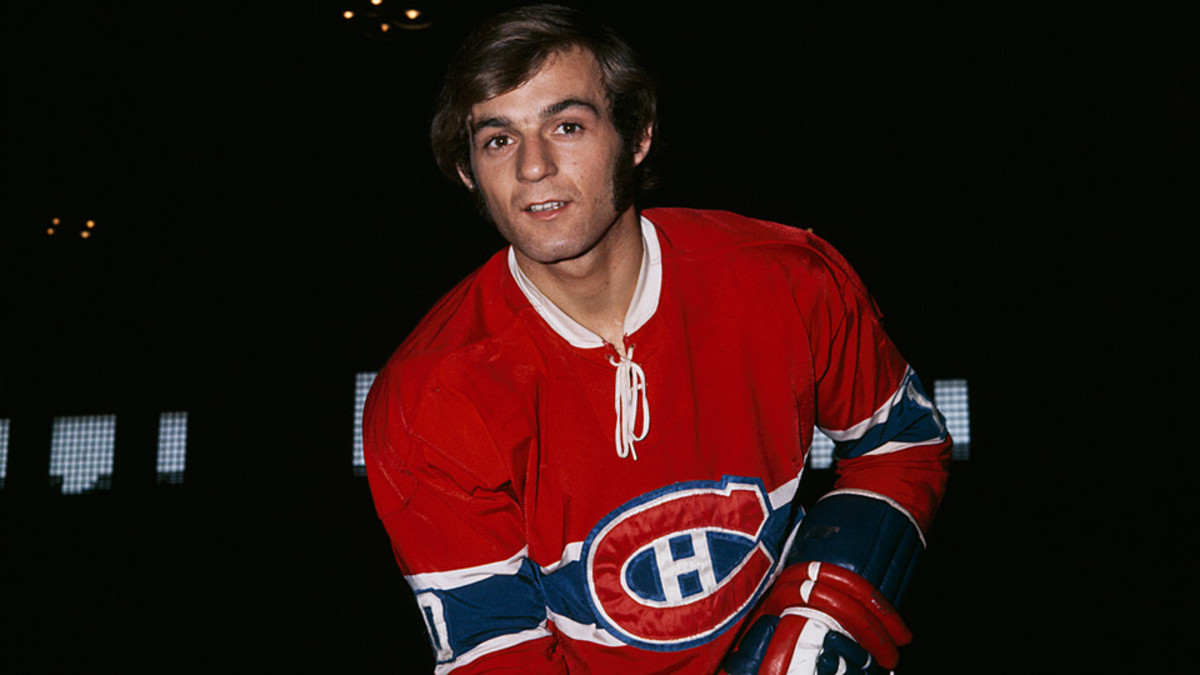
    To start off we will look at some of the Habs most successful draft picks to date. Montreal has been drafting since 1963 and has had a lot of players out on their sweater but to start off we will go to the 1971 draft where Montreal made an infamous trade to the California Golden Seals in order to obtain the first overall pick to select Guy Lafleur. Lafleur has gone down as an icon in Montreal and an all time great in NHL history. Tallying three Art Ross trophies, three Lester B. Pearson trophies, two Hart trophies and one Conn Smythe trophy Lafleur had done it all in Montreal. Finishing his time in Montreal Lafleur had put up 518 goals, 728 assists for 1246 points in 961 games to go along with immense playoff success and five Stanley Cup rings. Lafleur has his legacy cemented in Montreal with his jersey retirement at the old Forum on February 16th 1985.

    Staying in the 1971 draft Montreal would make another franchise defining pick in the second round number 20 with Larry Robinson. Robinson was a tall 6’3 defensemen with a great skating stride, he would glide along the ice getting up and down the ice effortlessly. He was known as one of Montreal’s big three on the blue line with Serge Savard and Guy Lapointe. Robinson would win two Norris trophies with the Habs and help them secure six Stanley cups in the 70s and 80s, earning himself a Conn Smythe as playoff MVP in the 1978 playoffs. Robinson would play 1202 games for the Canadiens between 1972 and 1989 and score 197 goals and 686 assists for 883 points. He would have his jersey retired in the Bell Centre on November 19th 2007.

    The Montreal Canadiens have had a ton of great draft picks over the years and it is quite the difficult choice as to who the third choice goes to but looking back through their draft choices one player is hard to ignore. In the 1984 draft Montreal selected one of their greatest players of all time in the third round, goaltender Patrick Roy. Roy burst onto the scene backstopping Montreal to their 23rd Stanley Cup as a rookie goalie, winning the Conn Smythe as well in that effort. Roy would win the Conn Smythe one more time in 1993 with the Canadiens. Roy would total four Jennings trophies with the Canadiens and three Vezina trophies as well. Roy would leave Montreal at the end of the 1996 season. His number 33 is retired in the Bell Centre and he would end his career with the Canadiens with 289 wins and a lasting legacy that will never be forgotten.

    Looking now at picks that did not turn out to be anything but prosperous for the Canadiens. We will begin at their first draft back in 1963 where they held the first overall pick and selected centre Garry Monahan. After debuting for the Canadiens in the 1967-1968 season Monahan played in just 14 games for the Canadiens in his tenure between 1967 to 1969. He failed to gain a point in those 14 games and would subsequently be moved to the Detroit Red Wings in June of 1969. This however was the best thing Monahan did for the club as for part of his return Detroit gave back Pete Mahovlich. Mahovlich would go on to a stellar career with the Canadiens whereas Monahan will only be remembered for the return the team got on his exit.

    Next we will head to, and stay at, the 1968 amateur draft where Montreal held the top three picks. You’d think that this would then set them up for an even more unbelievable future in the 70s then they already had but as luck turns out it was the opposite coming away from this draft. First we will start with the first overall pick Michel Plasse, the goalie would have a very quick tenure with the club after being selected in the expansion draft by the Kansas City Scouts in 1974. In his two seasons Plasse would hold an 18-6-5 record which isn’t bad but he was never around long enough to make that first overall pick worth it and with Montreal having future Hall of Famer and Habs Legend Ken Dryden in net, this pick really should have been someone else.

    Staying in the 1968 draft we will pair the second and third overall picks together. Roger Belisle and Jim Pritchard were selected second and third overall respectively and both had equally the same impact on the Canadiens. First we will start with Belisle, he was chosen second and his career ended almost immediately after that, Belisle would play one season after his draft and it would be in the IHL for the Muskegon Mohawks and in those 11 games Belisle would record four points. After Belisle the Canadiens chose Jim Pritchard at three and his career, albeit personally better for Pritchard compared to Belisle, was still poor. Pritchard would play until 1977 but would never lace up hai skates once in the NHL. He would play two games in the WHA in 1975 but after that he would play in the NAHL until his eventual leave from the game in 1977. This draft was quite an awful showing for the Canadiens, with the three top picks not one would end up being anything more than fringe starting goalie and two bust picks for players at picks two and three. Fortunately this would not go on to impact the Canadiens success in the next decade as they would dominate with six Stanley cups in the decade.

    The current day Montreal Canadiens have not fared quite well in the drafting and developing department over the past 15 years and only within the last few seasons have they seen some consistent positive strides hopefully leading to a highly competitive team in the future. In 2023 the Canadiens finished with the fifth worst record and with the results of the draft lottery in, Montreal will remain in their original fifth slot. Montreal is going into the draft as a team with double digit draft picks with 11 choices in the draft their picks look like this 1st, 1st (FLA), 2nd, 3rd, 4th, 4th (PIT), 4th (VGK), 5th, 5th (CGY), 6th, 7th. Montreal currently has an immense amount of good quality defence prospects and a good number of promising forward prospects, but what they are lacking is goal scoring so with that Montreal should use their fifth overall pick to choose one of three players who can help mightily with their offensive struggles, Will Smith, Zach Benson, or Oliver Moore. All players have a very high upside on offence and for Smith and Moore being centres they both have a great awareness on defence which will always be greeted with favour. Montreal looks to be in very good shape heading into this widely considered deep and talented draft.

    For more information on the 2023 NHL Draft class be sure to pick up your copy of the comprehensive DraftPro 2023 NHL Draft Guide.
    https://draftprospectshockey.com/draftpro-2023-nhl-draft-guide/
  • DRAFTPRO – DRAFT PICK HISTORY – MINNESOTA WILD

    DRAFTPRO – DRAFT PICK HISTORY – MINNESOTA WILD

    By Zackery Robert

    Off we go to one of the most hockey crazy places in the US, Minnesota. The Wild have been in the league since the year 2000 and have subsequently been drafting since the year 2000. Minnesota is a fairly new franchise and have had a lot of good high level prospects get drafted to their organisation in the last handful of years.

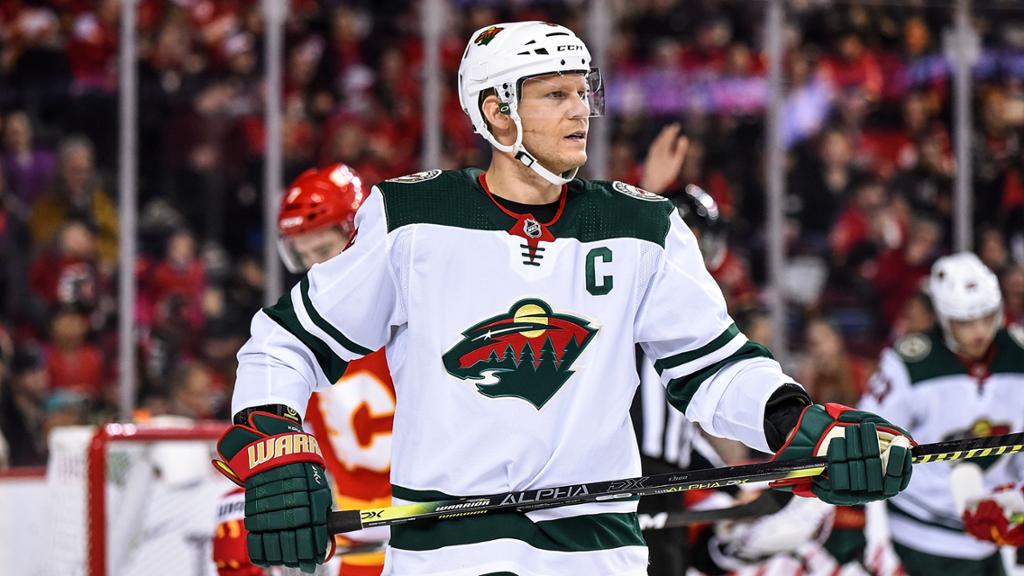
    First player to talk about is a pretty obvious one, when you think of Minnesota one of, if not the, first player you think of is Mikko Koivu. Koivu, the brother of former Montreal Canadiens draftee Saku Koivu was drafted in the 2001 draft sixth overall. Koivu would end up playing 15 of his 16 seasons in Minnesota being their captain for 11 of those seasons. Koivu was a competent two way centre who provided some quality offence while being a sturdy defender. He was the longest tenured player in Wild history and was definitely worth the pick, he finished his career in Minnesota with 205 goals and 504 assists for 709 points in 1028 games played.

    In their early beginnings in the draft Minnesota drafted and signed a lot of players who would become their core players. When you think of the Wild you think of these players, Niklas Backstrom, Josh Harding, Nick Schultz, and the player we’ll focus on next, Marian Gaborik. Gaborik was the Wild’s first ever pick back in 2000, he was selected third overall and went on to play eight seasons for the club between 2000-2009. He was electric for the new franchise and quickly became their hottest commodity. Gaborik had highlight reel goals and great speed. He had five of his eight seasons be 30+ goal seasons with one of those being a 42 goal season. He brought a superstardom to the Wild and he was able to be the face of the franchise until he left.

    Coming up third is former eighth overall pick Pierre Marc Bouchard. Bouchard was someone who lived up to his potential almost fully. With a handful of seasons in the 50-60 points range Bouchard showcased that he can be a quality second line player for many years. Bouchard played 10 years for the Wild between 2002-2013. After that he went on to play for the New York Islanders during 2013-2014 after which he proceeded to play in the Swiss-A league until his retirement in 2016

    Moving on to picks that should not have been selected where they were. We will start with a former fourth overall pick, Benoit Pouliot was chosen fourth overall in 2005 and never hit the mark, that’s it, plain and simple he was just not what a top five pick should be, he never had more than 36 points in a season and during his time in Minnesota his season high in points was a mere 11 points in 37 games. Pouliot played 65 games for the Wild in between 2006-2010. After that he was traded to the Montreal Canadiens for Guillaume Latendresse. This pick was not it for the Wild and finds its way onto this list.

    Moving on to player number two we find ourselves entering the 2004 draft where Minnesota held the 12th pick in the draft. With their selection the Wild would go with Minnesota native AJ Thelen. Thelen was a defenseman and spent two seasons with Michigan State University. Upon leaving school he played in the AHL, ECHL, but never the NHL. Not once did Thelen crack the roster and after playing for the Kalamazoo Wings in the ECHL in 2010/2011, Thelen retired. Much was left to be desired from this pick and with that, it ends up on this list.

    For the third and final player on this list we will move forward two years to the 2006 entry draft where the Minnesota Wild slotted into 9th position. With this choice they went with Halifax native James Sheppard. Sheppard would play one more year in the QMJHL before making his move to the NHL. Sheppard would play the next three seasons for the Wild and record a stat line of, 224 games, 11 goals, and 38 assists for a grand total of 49 points. After his third and final season with the Wild in 2010, Sheppard was traded to the San Jose Sharks for a third round pick. You can find Sheppard now playing in Europe in the Austrian league.

    Currently the Minnesota Wild have been eliminated from the playoffs and now look toward the draft. The Wild line up with six picks, 1st, 2nd, 2nd (VGK), 5th, 6th, 7th. Being that Minnesota finished with the 11th best record in the league when it is all said and done they can find themselves somewhere between 20-22 in the draft. At this point Minnesota looks to be pretty stacked up on forwards, with Kaprizov, Boldy, and Eriksson Ek, not to mention, Marco Rossi and the newly drafted Liam Ohgren, Minnesota looks to be pretty alright on forwards. Looking at the prospects and the rankings, a couple defence players Minnesota can look at drafting could be Lukas Dragicevic, Mikhail Gulyayev and even a dark horse in Cam Allen, he has so many great offensive tools. Allen has come off of a poor performance this year but he has many of the intangibles to become a top four defender so this could be a great pick for Minnesota because he will be allowed to develop for two to three years whilst Minnesota is still very competitive.

    For more information on the 2023 NHL Draft class be sure to pick up your copy of the comprehensive DraftPro 2023 NHL Draft Guide.

    https://draftprospectshockey.com/draftpro-2023-nhl-draft-guide/