Moving along we go back to Florida and visit the most successful team of the last five years, the Tampa Bay Lightning. Going to three Stanley Cup finals in the last five years and winning two of them makes Tampa the most successful team of the past five years. They have done a good job of drafting and developing and it has shown.
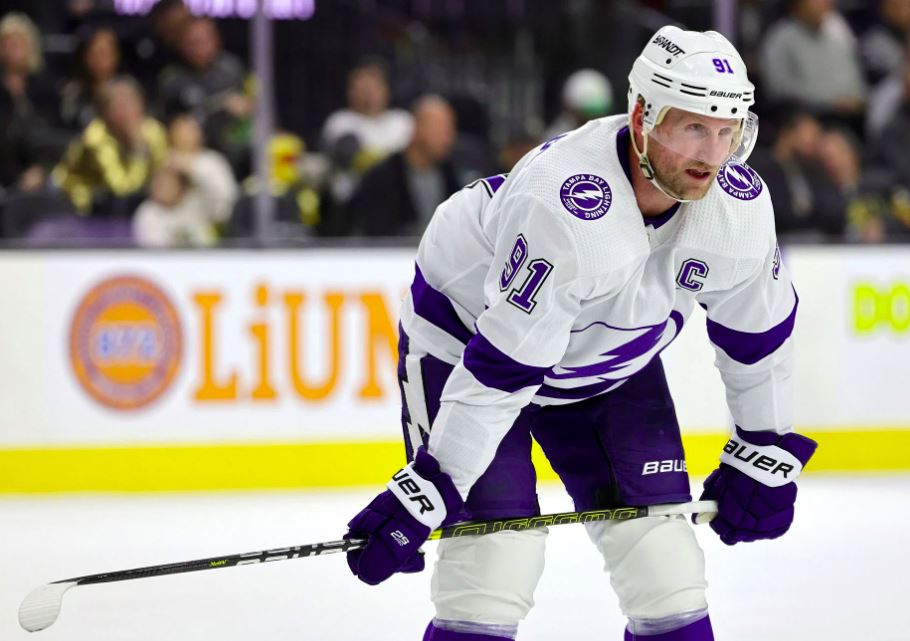
When taking a look back at some of their most successful draft picks the first and most successful draft pick would be former first overall pick Steven Stamkos. Stamkos was drafted first in 2008 and has been an absolute gem of a player for the Tampa Bay lightning. Stamkos has won two Rocket Richard trophies and before Auston Matthews did it last year, Stamkos was the last player to hit 60 goals in a season. He is currently clicking at over a point per game in his career with 1056 points in 1003 games. He is the all time leader in both points and goals in a Tampa Bay jersey and is currently second all-time in assists. Stamkos will end up being the all time greatest lightning player once his career has finished.
Next on the list of the best Tampa picks it will lead us to the 2011 draft where at pick number 58 in the second round the Lightning selected Nikita Kucherov. Kucherov played in all of the KHL, QMJHL, and AHL before making his NHL debut and it sure worked out in his favour. After a rocky first year playing 58 games and scoring 18 points he turned it up a notch and has since then scored 664 points in 592 games for a ppg of 1.12. He has three 100+ point seasons with 100, 128, and 113 point seasons respectively, he is a two time 40 goal scorer so far and has 729 points in 644 games in his career. In 2019 Kucherov won the Art Ross trophy, Ted Lindsay trophy and Hart trophy for league leader in points and league MVP. An insane value for a late second round pick, the way it is going we will see Kucherov in the hall of fame and his jersey retired by Tampa Bay when he calls it a career.
Moving into the last player to be talked about is the Tampa Bay goalie Andrei Vasilevsky. Vasilevsky was drafted back in 2012 in the first round pick number 19. He has been one of the top five goalies in the past decade. He has one Vezina trophy from the 2019 season to go along with one Conn Smythe trophy for playoff MVP in 2021. Vasilevsky has an unreal win loss record so far with a 265-124-31 record, more than doubling his losses are his wins. Vasilevsky has been a wall in net and it has propelled Tampa Bay to being one of the best teams since his NHL debut in 2014-2015 season. So far in his career he has never ended a season with a losing record, it has been pure dominance in net by Vasilevsky thus far.
In the early parts of Tampa Bay’s franchise they had themselves quite a lot of top picks in the draft, and for many they did not pan out. For instance the first one that we will talk about is that of 2000 eighth overall pick Nikita Alexeev. Making his pro debut in the 2001-2002 season Alexeev played 44 games for Tampa scoring eight points. In the 2002-2003 season Alexeev played 37 games scoring six. After this year he took his talents back to Russia before returning to the NHL and Tampa Bay For the 2006-2007 season, his last in the NHL, where he would play 63 games for Tampa and 15 for Chicago. In those 63 games for Tampa Alexeev managed 21 points. In total Alexeev played 144 games for Tampa scoring 35 points. A bit of a let down when it comes to a player drafted that high.
Moving to another high drafted player from the 90s for Tampa bay from the 1994 draft Jason Wiemer. Wiemer was the eighth overall pick in 1994 making his pro debut for Tampa in the 1994-1995 season Wiemer would play four seasons for Tampa playing a total of 232 games and scoring a total of 54 points. This can definitely be another case of junior success not translating over into NHL success, scoring 96 points and 41 goals in his draft eligible season in the WHL in 1994 would’ve made Wiemer a big draft target but his junior success was just not replicated when he played in the NHL. In March of 1998 wiener was part of a deal that would see him land in Calgary for a return of a couple players and a third round pick in that 1998 draft which ended up being Brad Richards, this would probably be the best thing Wiemer did for Tampa bay during his career and since that is the case this pick winds up on this list.
Finally the last player to talk about on this part of the list is that of 2001 third overall pick Alexander Svitov. Svitov would play in Russia one more year before going to North America for the 2002-2003 season for Tampa, Svitov would play 63 games recording eight points. He would play 11 more games for Tampa in the next season registering three assists. After the end of the 2003-2004 season Svitov would go back to Russia permanently in the 2007-2008 season where he remained until retirement in 2020.
Flash forward to present day Tampa and you will find them looking at the draft where they literally have hardly any picks. They currently stand at three picks and all in late rounds, 6th, 7th, 7th (ANA). Their prospect pool isn’t very deep and with the serious lack of picks in this deep of a draft this will most definitely hurt them in the long run once their core becomes too old to make a difference. With that, if their first pick does indeed end up being in the sixth round that pick will land around 179th, two players that could be selected there are, forward from the USHL Ty Henricks and defenseman Anton Maryshev from the MHL.
For more information on the 2023 NHL Draft class be sure to pick up your copy of the comprehensive DraftPro 2023 NHL Draft Guide.
Moving on and almost at the end we have up next the blue notes, the St Louis Blues. Gaining great success in the past five years or so winning their franchise’s first ever Stanley Cup in 2019.
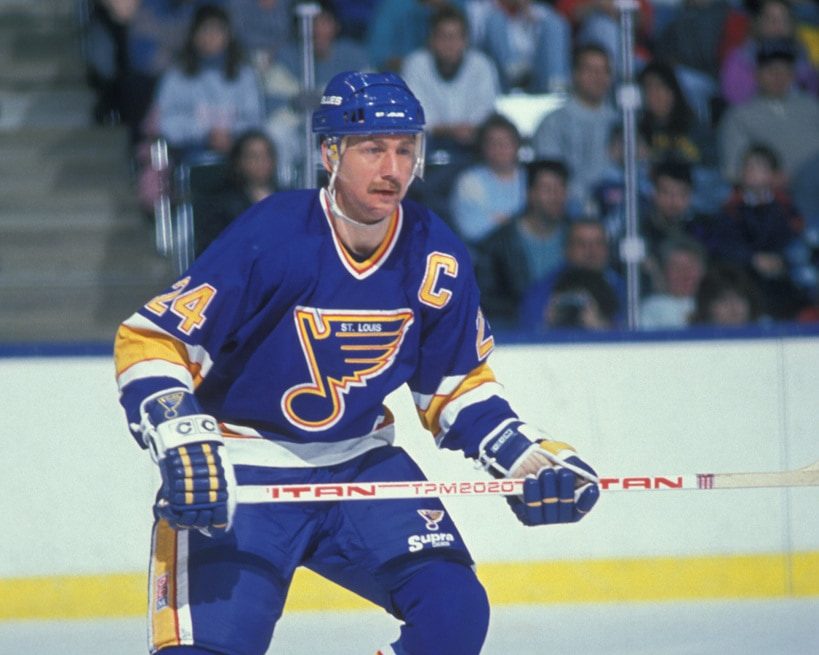
When talking about the St. Louis Blues one player who comes to mind as one of the most successful draft picks is Foam Lake Saskatchewan’s Bernie Federko. Federko was the sixth overall pick in the 1976 draft and went on to play 927 games for the Blues and registering 1073 points. He had four seasons of over 100 points for the Blues and scored seven seasons of 30+ goals with his career high of 41 in 1984. He remains as the Blues’ all time points leader and the only player in their history to score 1000 points. Sticking with the 1976 draft we will look into the second round at pick number 20 to find Brian Sutter. Sutter played from 1976-1988 with the Blues until retirement and scored 636 points in 779 games played. He ranks third in all time points on the St Louis Blues.
Final choice for best Blues pick goes to the 2010 draft where at pick number 16 the Blues chose Vladimir Tarasenko. Tarasenko was the Blues’ best sniper since Brett Hull, having six 30+ goals seasons and one of those seasons hitting the 40 goal plateau, Tarasenko was their best offensive threat during the 2010s. Tarasenko was a consistent 70+ point player for the Blues and was a large contributor to their Stanley Cup success back in 2019.
Moving along to picks that left the franchise wanting more we will first stop at the 2014 draft where the Blues selected highly touted Robby Fabbri with the 21st over selection. Fabbri played in the organisation from 2014-2019 and was unfortunately unable to make much of an impact. With injuries and inconsistencies hurting his play Fabbri was only able to play 164 games with the Blues scoring 73 points. He had a lot of skill but was never able to find much of a rhythm in the NHL, he was traded away to the Detroit Red Wings in November of 2019 for a player who played less than 50 games for the Blues, a very little return for the former first rounder. This pick left a lot to be desired and it winds up on this list.
Moving back two years to the 2012 draft we have another first round selection Jordan Schmaltz. Originally drafted 25th overall Schmaltz played in the USHL and then off to North Dakota in the NCAA before making his pro debut in the 2015-2016 season for the blues affiliate team the Chicago Wolves. It wouldn’t be until 2016-2017 that Schmaltz would make his NHL debut where he played nine games registering two assists. He would go on to plate another 33 games for the Blues totalling 42 games and registering five points in total. After being traded in the summer of 2019 he would continue his career in the AHL for 2020 and the 2021 seasons split between three AHL teams. He is now currently playing overseas in the Swiss-A league.
Finally we will go back in time to the 1987 draft where the Blues held pick number 12. Once at the podium the Blues chose Keith Osborne, a winger out of Toronto, Ontario. Osborne would make his pro debut in 1989 for the Peoria Rivermen and would subsequently play with the Blues that same year making his NHL debut. Osborne would play five games for the Blues that year putting up two assists. Osborne however would never play another game for the Blues he would be traded in March or 1991 to the Toronto Maple Leafs and would the. Be claimed off waivers a year later by Tampa where he would play his last 11 games in the NHL. He would play another eight years before retiring at the end of the 2000-2001 season.
In the present time the Blues are looking towards the NHL draft. They did not make the playoffs this year but they are going to the draft fully loaded, in total they have nine picks but three of those picks are first round picks. In a draft as deep as this one, having that many first round picks will be a hot commodity for sure. Their lineup looks like this: 1st, 1st (TOR), 1st (DAL), 3rd, 3rd (OTT), 4th, 5th, 6th, 7th. Their highest pick in the draft being their own first round pick at number 10. With their pick at 10, my three top choices for the Blues, given that they are in need of both forwards and defence prospects for their current rebuild, would be defenseman David Reinbacher, winger Matthew Wood, and centre Oliver Moore. All these three players are highly skilled and help out on both ends of their needs, Moore is the fastest skater in this draft who is defensively sound. Reinbacher fills their need for good young defensemen, it is an added bonus that he has the potential to be a top two defenseman. Matthew Wood, a big power forward standing at 6’4 who can put up points and give St Louis an edge to play against.
For more information on the 2023 NHL Draft class be sure to pick up your copy of the comprehensive DraftPro 2023 NHL Draft Guide.
The final big scouting event of the 2022-23 season was played out in Switzerland earlier this spring and the performances at the event will go a long way to shaping where NHL teams see thee prospects and the process we are about to witness later this month in Nashville.
Some prospects used the event to springboard their draft stock into an NHL teams radar while others might have dropped on NHL team lists. Below are the impressions made on two of our scouts on who impressed and who disappointed as well as a few future eligible prospects we are excited about.
PROSPECTS WHO USED THE U18’S TO BOOST THEIR DRAFT STOCK
2 C, Will Smith, Team USA
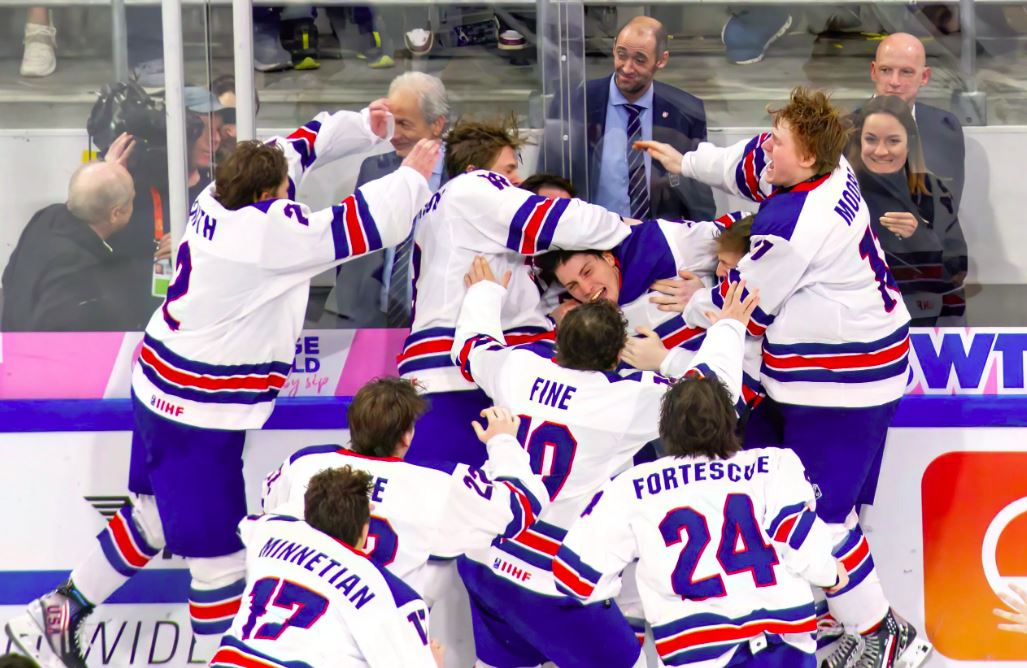
The tournament MVP showed up in a big way making his presence known every time he stepped on the ice. A deceptive stick made goalie’s cry for mercy as Smith dangled his way to a tournament leading 9 goals. His breakneck speed and ability to create offence off the rush is incredible to watch. Smith is all but locked into that number 4-5 draft spot so his stock can’t rise much more but with all the talent he has he will be “slapping” competition on the big stage in no time. – Tyler Karoway
9 RW, Ryan Leonard, Team USA
A dynamic, strong skater who embodies the style of a power forward with his drive and work in and around the net. Scored the game winner in overtime to win gold for USA. Finished with 8 goals and 9 assists and was the leader in +/- at a +16. Has a sensational shot and tremendous leadership qualities. – Jody Horak
4 LW, Gabe Perreault, Team USA
What more can be said about one of the best playmakers in the upcoming draft. Shocker- Perrault went off again racking up 18 points. His outstanding vision and elite passing made him a fascinating watch as he set up teammates for goals upon goals. One of the things that really sold me on Perrault was his commitment to defense, late in the Finland game up 3 with a minute left he hustled back to break up a play then get it up to set up yet another goal. Perrault is a star in the making in my eyes and while he may not be able to rise much more due to him already being so high on most draft boards, a top 10 selection would not surprise me. – Tyler Karoway
13 C, Danny Nelson, Team USA
A two-way gem, Nelson impressed throughout the whole tournament locking down top lines and filling the stat sheet. A point per game player and was leaned on heavily to keep opposing players neutralized Nelson used his insanely high hockey sense to his advantage. Often overshadowed due to his teammates point production Nelson does everything you want in a middle 6 Centre. While he was already ranked fairly high on most boards his play should have solidified himself a top 40 spot. – Tyler Karoway
17 D, Aram Minnetian, Team USA
One of the best defenseman at the tournament, Aram was a force on the back end for the Americans. A leading +16 being on ice for zero goals, Minnetian locked down opponents like it was nothing and covered his goalie’s rebound control flaw up perfectly. Putting up a respectable 4 points and still having elite defensive play says a lot about what lies ahead for the young D-man. His standout play should have him in the top 50 on most draft boards after this one. – Tyler Karoway
26 RW, Matthew Wood, Team Canada
Besides a kid named Celebrini, there was not a better player for Team Canada than Wood. He has a lethal shot but what was more impressive about him was his ability to see the ice and make excellent decisions with crafty hands and passing accuracy. His skating is still concerning but he showed a lot more versatile abilities than his goal scoring capability. Had a strong tournament with 7 goals and 6 assists and a +12 rating. – Jody Horak
15 C, Dalibor Dvorsky, Team Slovakia
Dvorsky showed off just how lethal he could be on offense, racking up 8 goals through 7 games including a 4-goal performance vs Germany. He found his footing after a very shaky start vs the Czech team on opening day and showed off his 200ft game. His brute strength and rifle shot went perfectly together imposing his will on goaltenders and skaters. One of the best defensive games out of the projected 1st round players and he was able to lock down a loaded Finland squad in the quarters. Star players come to play no matter the game and Dvorsky did just so. – Tyler Karoway
18 LW, Juraj Pekarcik, Team Slovakia
Here is a guy who really made a name for himself with his performance at the Worlds. A strong, agile forward with skilled hands and excellent puck control which allows him to be quite a force on the offensive end. Plays with a high compete level and was extremely impressed with his skating and his toughness to battle in front of the net. He finished with 3 goals and 7 assists for Slovakia. – Jody Horak
31 G, Samuel Urban, Team Slovakia
Urban by far raised his stock the most out of the goalie at the tournament. He sealed off the net and made himself a brick wall for much of the tournament. His hyper flexibility allowed him to make some massive cross crease saves and flexed his laser quick glove. His confidence in playing the puck and moving it down ice to a teammate made for a fun watch but showed how important puck handling can be for a goalie as well. He kept an upbeat Slovakian team in games and really was the main reason they made it as far as they did even upsetting a vastly superior Finnish team. – Tyler Karoway
10 C, Kasper Halttunen, Team Finland
Halttunen flashed the power forward potential he had and showed how high of ceiling he does have. While he did have some maddening moments flubbing on some prime scoring chances in early games, but he was able to rebound as the tourney went on. The quick release to his shot and ability to pick his spot was shown perfectly when he rifled one past America’s Trey Augustine in their back and forth match up. His competitive energy and want to win showed off and he racked up a good chunk of points showing off the blend of speed and size that makes him that much more tantalizing for scouts. He definitely rose up my draft board after this tournament. – Tyler Karoway
23 C, Otto Stenberg, Team Sweden
Stenberg was one of the most noticeable players throughout this tournament with his shooting capability, his speed, and his finesse. He was a clutch player for Sweden reaching the gold medal game and was a tenacious forechecker and displayed incredible offensive abilities. Plays a solid two-way game and wears the “C” for his team. Finished with 16 points in the tournament, only trailing the American trio. He has a bright future and star potential in the NHL. – Jody Horak
4 D, Axel Sandin-Pellikka, Team Sweden
No question this guy cemented himself as the best defensive prospect in the upcoming draft. He is tough to beat one-on-one and rarely makes a bad play or gets caught out of position defensively. He plays with patience and poise. Displays excellent offensive abilities from the back end with his passing and soft, silky hands. Finished second in scoring for defenseman. He will be a top 10 pick in the draft. – Jody Horak
5 D, Tom Willander, Team Sweden
Willander was part of a unit defense for a stout Sweden squad. Whether he was crushing players into the boards or moving the puck up ice on the rush Willander showed off his two-way game to the max. Stout in own zone, locking down a strong Canada team twice and keeping the American’s offensive assault to a minimum. Willander was leaned on heavily throughout the tournament to shut down top players. If his play didn’t get him into that top 25 rankings, I’m not sure what will at his point. – Tyler Karoway
1 G, Noah Erliden, Team Sweden
Erliden had himself a solid tournament. He was consistent, positionally sound and square to the shooters. Showed quick reflexes to make some fantastic rebound saves and provided clutch saves at critical times in games. Played with extreme confidence and raised his value after his performance at the U18’s. – Jody Horak
THOSE WHOSE PERFORMANCE SAW THEIR DRAFT STOCK FALL
1 G, Carson Bjarnson, Team Canada
Bjarnason was my top goalie heading into this tournament and while he still is, I’m left with more questions than answers. His inability to find the puck through screens plagued him and his confidence was in the gutters because of it. While the defence in front of him was… let’s say weak, he did not do himself any favours either. While I’m sure fatigue and the time change played a very large factor in his play Bjarnason needed to be better. He still has all the tools to become a starter at the NHL level, but he is no longer a 1st round pick in my mind and is closer to a middle to late 2nd now. – Tyler Karoway
14 LW, Andrew Cristall, Team Canada
He had a very disappointing performance. He shows nice skills to produce but when he is not scoring or putting up points, he lacks standing out without other elite level players. He can be crafty and slick with the puck, but he seemed to really struggle getting anything going with lack of space and being pressured quickly. He has superb playmaking skills and hopefully bounces back from his underwhelming play. – Jody Horak
4 D, Maxim Strbak, Team Slovakia
Strbak left a bad taste in my mouth every time I watched him, especially in the Slovakia vs Czechia game. He couldn’t hit the net to save his life with his shot and didn’t really wow me with his defensive effort either. In what I would say was a weaker tournament, Slovakia got to the bronze medal game behind some key efforts, but I wouldn’t say Strbak was one of those guys. His stock shouldn’t take too much of a hit due to what I’d say would be mediocre play all year outside of his World Juniors performance. – Tyler Karoway
7 D, Paul Fischer, Team USA
With only one point at the tournament, I wanted to see Fischer take the next steps in his offensive game. He shows such mobility in his skating, just waiting to see him take off and go with the puck and make things happen and he just does not do it. He was also just average on the defensive end finishing with a +3 which was one of the lowest on the team. He was labeled as possibly the best defenseman on Team USA earlier this year and his game just has not progressed as much as it should at this point of the season. – Jody Horak
22 LW, Jesse Nurmi, Team Finland
I thought Nurmi exhibits fast feet and can play at a high pace. However, he lacks a high hockey IQ and tends to force pucks that can lead to turnovers and odd man rushes the other direction. He needs to be more patient with the puck and compete harder on a consistent basis. His play was too up and down throughout the tournament. – Jody Horak
26 LW, Noel Nordh, Team Sweden
He has nice size and is a mobile skater, but he lacks production. He possesses such ability to be a threat with a powerful shot and drive to the net. He makes mistakes trying to do too much with the puck on his stick and making bad decisions which often led to turnovers. He plays well in his defensive zone, but he can be undisciplined and not compete hard at times. – Jody Horak
12 LW, Eduard Sale, Team Czechia
Sale’s off the puck effort was very apparent for all the bad reasons, he did not seem interested at all. When he did get the puck, he either quickly turned it over or did something that left you saying “Wow”, there was really no in-between. A Czech team that was relying on him to score at the same rate Dvorsky did was let down. With only 6 points and Czechia only securing 1 win, with that coming against a vastly inferior German squad Sale should be disappointed with what he did. While a year end tournament shouldn’t play too much into draft rankings, Sale’s once top 15 rank looks like a reach and 18-25 looks more realistic. – Tyler Karoway
30 G, Michael Hrabal, Team Czechia
Another Czech star that on paper didn’t look like he had a bad performance, Hrabal only secured 1 win throughout and showed some flaws to his game. His raw athleticism can only get him so far and his technical side needs some major work. While his save percentage looks much better than it should, it is due to his team’s suffocating defence more than his own play. Hrabal is a project pick at this point and with a weak showing so far, I’m not sure he’s getting taken any higher than the 3rd round now. – Tyler Karoway
FUTURE STARS ON DISPLAY
17 C, Macklin Celebrini, Team Canada
What an outstanding tourney for the young forward, Celebrini showed off his supreme level of talent that makes him the projected 1st overall pick for next year’s draft. His speed and stick handling makes him a force to be reckoned with as he darts around the ice before depositing the puck in the net. Scoring the Bronze Medal winning goal was the cherry on top for the young gun that will look to continue dominating on the World stage for years to come if he continues to light up the net like he did. One of the few bright spots for an underwhelming Canada squad. – Tyler Karoway
34 LW, Cole Eiserman, Team USA
He is an explosive young hockey player. Makes scoring goals look like his everyday job. Has an impressive one-timer off the right dot on the power play. His speed is flashy and explosive, can accelerate to top speed in seconds. Scored 9 goals in this tournament and was a catalyst for secondary scoring for Team USA whose name was not Leonard, Smith, or Perreault. Should challenge for the top overall pick barring any setbacks. 2024 NHL draft eligible. – Jody Horak
34 C, Konsta Helenius, Team Finland
A smooth skater with exceptional speed, Helenius is going to be a budding star. Makes things happen offensively and wastes no time getting shots off with a quick, hard release. Dependable in the face-off circle which is a highly underappreciated skill. Played in all types of situations and was a consistent performer for Finland. 2024 NHL draft eligible. – Jody Horak
14 D, Cole Hutson, Team USA
Hutson is a smooth, highly skilled young defenseman. He transitions so quickly up the ice with his excellent skating and can move the puck with ease on the rush. Led all defenseman in scoring with 12 points. He is solid in the defensive zone too, makes smart decisions and rarely makes mistakes in his own zone. May be undersized but he is a talented, two-way defenseman with a bright future. 2024 NHL draft eligible. – Jody Horak
25 C, James Hagens, Team USA
Similar to Cole Eiserman, James Hagens just keeps scoring no matter where he goes. While he didn’t fill the stat sheet as much as he did at the U17s, Hagens’ play did not leave any questions on who should be the 1st overall pick come 2025. His hockey sense, 200ft game and ridiculous shot make him one of, if not the most complete players in his class. Obviously 5 points doesn’t tell the whole story, but Hagens didn’t look out of place on a line with Eiserman and Ryan Fine. This kid is a star in the making. – Tyler Karoway
22 RW, Porter Martone, Team Canada
The other star that will be coming out of the 2025 draft class Martone continues to impress with his gritty style of play. While he did get the boot in one game it should not take away what he did throughout the tournament. Notching a short-handed goal and 6 points Martone showed off his 2-way skill making him one of the few bright spots on Canada’s squad. The 6’3”, 17-year-old threw his weight around grinding down his opponents and using his size to create offence from driving the net. Martone can comeback next year and I expect him to put up a big performance. – Tyler Karoway
For a complete and comprehensive look at the 2023 prospects who made impressions at the IIHF U18 World Championships, an NHL Draft Combine update, and who NHL teams are looking at as we head into the last week before the draft be sure to pick up the DraftPro June 2023 Newsletter available now.
For more scouting information on the 2023 NHL Draft Class be sure to pick up our 2023 NHL Draft Guide in digital download (now 25% off) or the physical magazine copy through your regional Amazon website.
Coming up we now move to the Pacific Northwest and visit the newest team in the NHL. The Seattle Kraken have only been in two drafts this far, with 2023 being their third, we saw significant improvement for the Kraken this year making it to the conference semi finals this year, a positive sign of good things to come in the future.
With only having two drafts under their belt the whole top picks in franchise history and the not so top picks are not incredibly well vetted as their oldest draftees will be 20-21 years old and may have not even played a game in any pro level yet which is fair because they’re barely into their 20s. What we will look at are five players who have some of the biggest upside that the Seattle Kraken have drafted to their club so far.
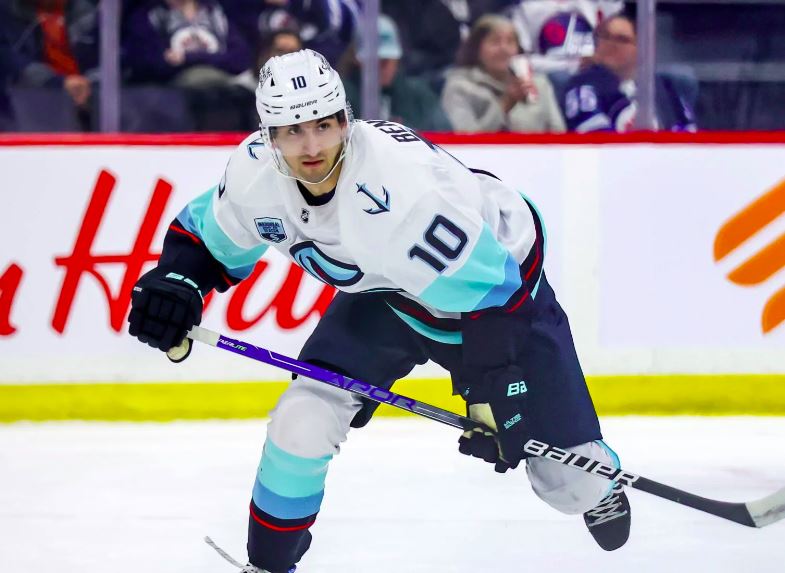
First up we will take a look at the most obvious of choices in former second overall pick in 2021 Matty Beniers. Beniers had a great D+1 year in Michigan and then promptly took his skills from the NCAA to the NHL and showed no signs of regression. He looks to be this year’s lock for the Calder trophy as rookie of the year, this will be confirmed later in June, and his stats in his first year were quite good for the 20 year old. With 57 points in 80 games he was on par with players like Jonathan Huberdeau and Nathan MacKinnon in terms of ppg during their rookie seasons where both of them took the Calder trophy respectively. This pick looks to be their best yet in their short history.
Up next we will go again in the first round of the 2022 draft this time and look at fourth overall section Shane Wright. Wright was the consensus number one pick for a huge amount of time leading up to the 2022 draft where he only began to slip out of that position towards the tail end leading up to the draft. He ended up slipping from first to fourth and the Kraken were happy to pick him up at the number four spot. Wright has had a very peculiar beginning to his young career, in the NHL he was scratched quite a bit, leaving a lot of head scratching by the fans/media in the process, and only ended up playing eight games before being sent down, he scored two points in those eight games. He played eight games in the AHL where he scored six points and then promptly dominated the OHL again putting up 37 points in 20 games for the Windsor Spitfires. There is no denying that Wright has immense skill, this pick looks to be their second most promising pick thus far.
Moving on to their third most promising pick we will stay in the 2022 draft and look in the second round where Seattle held the 35th overall pick and took Jagger Firkus. Firkus slipped in this draft, he was looked at as a first round pick in the latter part of that round but found himself unselected and having to wait until that weekend to be picked. It did not take long as he was the third pick in that second round and for good reason. I’m back to back seasons in the WHL Firkus played 66 games and scored 80 and 88 points respectively. He is a very skilled two way forward who has no issue putting up goals and points, he hit the 40 goal mark this season in the WHL. He had recently signed his pro contract with the Kraken and will look to make his pro debut this upcoming season, most likely will play more in the AHL but has many tools at the NHL level that can lead him to play some games in the NHL this year. This pick has the potential to be a steal of a pick in the early second round, only time will tell however, but this pick looks to slot in as Seattle’s third most promising selection in their young history.
Moving on to number four on the most promising chart we will take a look at the 2022 draft and at pick number 68 where Seattle selected defenseman Ty Nelson. Nelson was the 68th selection in the draft and definitely the one with the best hat, the North Bay blue liner had an impressive season with 76 points in 61 games this year. Having 24 goals and over 50 assists is not a small feat and Nelson looks to have many tools that can help him a lot as a top four defenseman in his prime. It is always hard to tell exactly how good a player will be when it comes to playing in the NHL judging solely off play in the juniors but Nelson looks to have good potential and at an early third round pick it can potentially look to be a steal of a selection.
Looking at the fifth and final most promising pick we have one player and an honourable mention to name. First the honourable mention from the second round of the 2022 draft, David Goyette. Goyette scored 92 in 63 games this past season and was a consistent threat during his time with the Sudbury Wolves of the OHL this year. The potential is there to be a good middle six player. However the fifth spot goes to 2021 fifth round pick Jacob Melanson. Melanson finished this year with 99 points in only 59 games along with scoring 50 goals in those games. Melanson split time this year in the QMJHL with both the Acadie-Bathurst Titan and the Sherbrooke Phoenix and he was equally good with both teams during the season. Standing at six feet tall and 206 pounds this 20 year old has the ability to be a good middle six power forward and as a fifth round pick that is a steal.
The Kraken coming out of this year looked a lot different and it was mainly positive this year, they made it to the conference semifinals and a lot of their more core players were clicking this year. Looking ahead to the draft on June 28th the Kraken hold nine picks this year and four in the first 64 picks, 1st, 2nd, 2nd (TOR), 2nd (WPG), 3rd, 4th, 5th, 6th, 6th (WSH), 7th. With their first round pick being in the latter half of the draft some very good options for the Kraken would be centre Riley Heidt, defence Tom Willander, and defence Oliver Bonk. The Kraken being so new it wouldn’t hurt them to just choose the best prospect left when they draft, however taking a look at their current team and prospects, defence would be a good way to go for the team given their lack in the pipeline so either one of Willander or Bonk would fit nicely in this team.
For more information on the 2023 NHL Draft class be sure to pick up your copy of the comprehensive DraftPro 2023 NHL Draft Guide.
Moving along and away from the east coast we now go back to the west coast and visit the San Jose Sharks, with their inaugural season during the 1991-1992 season the Sharks have been drafting since 1992 and with a little over a 30 years of drafting experience they have had plenty of opportunities to draft players that would help shape their franchise’s history.
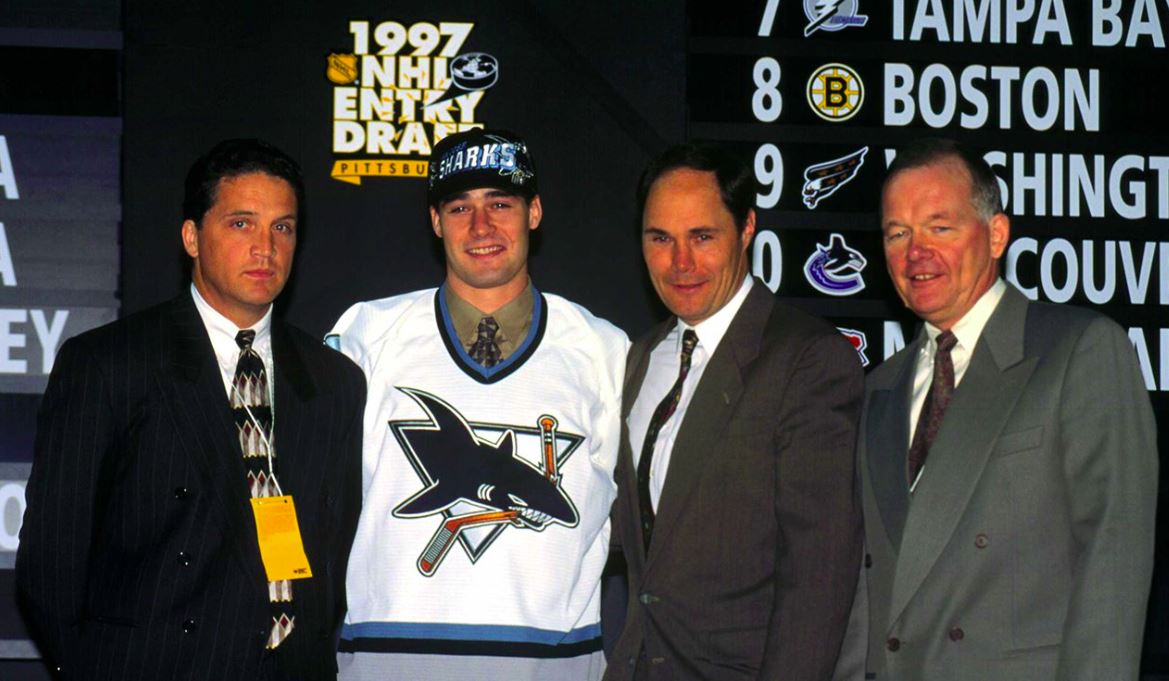
When talking about the San Jose Sharks one player that has to be talked about is that of 1997 second overall selection Patrick Marleau. Going in the draft right after Joe Thornton, who would end up being his teammate for many seasons in San Jose, Patrick marleau would turn out to be the longest tenured San Jose Sharks player in their history and he would also turn out to be the one player who broke the all-time games played record which now currently sits at 1,779 games played in the NHL. Marleau had two 80 plus point seasons during his time with the sharks and he helped lead them to the Stanley Cup Final during his time with the club. Marleau was a long time captain of the San Jose Sharks and was their first true star player.
Coming up next is one of the most prolific goal scorers in the history of any American NHL player. Joe Pavelski was drafted in the 7th round 205th overall in the 2003 NHL entry draft by the San Jose Sharks and he made his NHL debut in the 2006-2007 season. Pavelski would play the first 13 years of his career in San Jose where he scored five seasons of 30 plus goals and one season of that he scored his career high of 41 goals. Pavelski was the Sharks first true goal scorer in their franchise’s history. Pavelski would captain the San Jose Sharks as well during his time with the club and would represent the team at multiple All-Star games.
Coming up next we will take a look back at the 2007 draft where the San Jose Sharks held the ninth overall selection and used that pic to select Logan Couture. Making his debut in the 2009-2010 season Couture has been a multiple time 30 plus goal scorer and has reached the 60 plus point plateau five times in his career so far. He is the current captain of the San Jose Sharks and has been with the club for 14 seasons so far. Couture was the Sharks’ number one prospect once drafted and he turned out to be quite the successful pick for the club, he has been consistent throughout his career and has become a fan favourite in San Jose so much so that it would not be hard to believe that once his career has finished he will see his number 39 retired by the San Jose Sharks franchise.
Moving away from fan favourites we will now look towards players who many fans may not have even heard of. We shall first take a look at the 1995 draft where the San Jose Sharks held the 12th pick overall. with this pic the Sharks chose Finnish winger Teemu Riihijarvi. Riihijarvi would continue his career after being drafted in Finland and would never come over to play in North America. After being drafted Riihijarvi would play 11 more seasons before calling it a career, never once playing for the San Jose Sharks. Now this draft was not lined up with a bunch of star-studded players after the 12th overall pick, however there were a multitude of better options for the Sharks to pick at the 12th overall selection. Three examples of better options that they could have picked are Michael Handzus who was chosen in the fourth round 101st overall, he would go on to play 1009 games in the NHL. Another option the Sharks could have picked was Petr Sykora who was chosen with the 18th overall pick, he is a veteran of 1,017 games in the NHL. Finally, a player that could have been picked if they wanted to go on the blue line would have been Stephane Robidas who was drafted 164th overall and ended his career with 937 games played in the NHL.
Moving along we will move only ahead 1 year to the 1996 draft where we saw the San Jose Sharks hold the second overall selection. With that pick the shark selected Russian defenseman Andrei Zyuzin, Zyuzin would go on to play only 81 games for the San Jose Sharks before being traded to the Tampa Bay Lightning for a mediocre return. now of course when it comes to defenseman you’re not necessarily looking at them to be putting up close to a point per game or even 50 or more points per game in a season, however being that Zyuzin was such a high pick at second overall you would have hoped for more production during his time on the ice, Zyuzin finished his career with San Jose with those 81 games and only scoring 17 points during that time. Just like the 1995 draft there wasn’t an immense amount of star players taken in this draft, however in this case there was one, if you were to take a look back you would find in the third round at pick number 56, exactly one pick after the San Jose Sharks picked in this round at number 55, you would find the New York Islanders drafting Slovakian defenseman Zdeno Chara. Being in need of a defenseman during this time the Sharks would have been much better off doing more due diligence on Chara and potentially drafting him in this draft to help soften the blow that is this second overall pick.
With one more player to take a look at during this part of the article we will go back to the 1992 draft where the San Jose Sharks held two picks in the top 10 of the draft. With their second pick in the top 10 at number 10 they took this opportunity to draft Russian Winger Andrei Nazarov. Nazarov made his NHL debut in the 1993-1994 NHL season playing one game, he would make a more substantial impact in The Following Season playing 26 games while registering eight points. Nazarov would end up being traded in March of 1998 along with a first round pick in the 1998 draft to the Tampa Bay Lightning for two players plus a first round pick in the 1998 draft, which this particular first rounder would again be traded away at the draft. If this original selection of Nazarov was not bad enough already, the extra edition in which he was traded with certainly makes this much worse. This 1998 first round pick that was traded along with Nazarov to Tampa Bay ended up being the first overall selection in that draft in which Tampa Bay used it to select Quebec Center Vincent Lecavalier. Not only did San Jose only get 169 games out of their 10th overall pick but they also lost out on a future number one Centre in Vincent Lecavalier.
Currently in 2023 the San Jose Sharks are in the midst of a rebuild and are looking towards this upcoming draft holding the fourth overall selection in the first round. The Sharks have a total of 12 picks in this upcoming draft, 1st, 1st (NJ), 2nd, 3rd (CAR), 4th, 4th (COL), 5th, 5th (CBJ), 6th, 7th, 7th, (PIT), 7th (VAN). With this mountain of picks San Jose should look to do quite a bit of damage in this draft and help them speed up this rebuild, however when it comes to the fourth overall pick the San Jose Sharks should use this selection to choose the best available player and in particularity to this draft that would be any of the following three players, Matvei Michkov, Will Smith, Leo Carlsson. Any of these three forwards would add significant help on the offensive side for the Sharks and any of these three players could end up potentially being a star player in the NHL allowing the San Jose Sharks to build around this player along with somebody like William Eklund.
For more information on the 2023 NHL Draft class be sure to pick up your copy of the comprehensive DraftPro 2023 NHL Draft Guide.
Staying in the state of Pennsylvania we now move to the steel city, Pittsburgh, the far more successful team in this state in the past fifteen years, Pittsburgh has been one of the luckiest teams in the draft in the past twenty years in terms of talent and it has translated into three Stanley Cups since 2009.
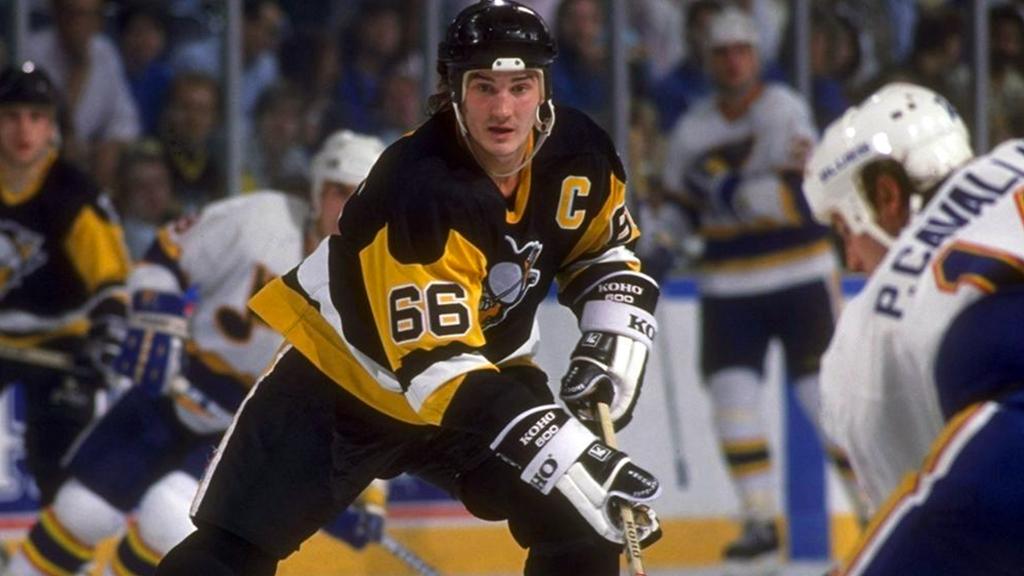
We will first go to the 1984 draft where Pittsburgh drafted one of the greatest players ever. Mario Lemieux was an icon, second to only Gretzky. Lemieux played for the Penguins from 1984 all the way up until 2006, he did Miss time in the late 90s when he was fighting cancer. Mario Lemieux had an illustrious career And only 915 games Mario Lemieux scored over 1700 points His numbers that he put up in his career are unfathomable in today’s age his top three season point totals in his career were 199 points in 1989, 168 points in 1988, and 160 points in 1993. Mario was the captain during the franchises first two Stanley Cup victories and he also captured both of the Conn Smythe trophies, his list of accolades are long, Mario Lemieux has totaled an immense number of 17 individual trophies. Mario Lemieux has six Art Ross trophies for League leader in points during the regular season, he has three Hartt trophies for League MVP, Lemieux also has four Lester B Pearson trophies which are voted on by the NHLPA as best player in the league during the regular season and he has also won the Calder trophy as rookie of the year. This list is unbelievable that it is true and not a made up wikipedia page.
Moving on to another Sensational number one overall pick, we have Sidney Crosby who was taken first overall in 2005 by the Pittsburgh Penguins. It is widely known that Sidney Crosby was a generational player when he came into the league, he scored 102 points in his rookie season and he still did not win the Calder Trophy that year, we will get to the player who did win The Calder Trophy that year a little later down the road in this series. However Crosby is not without accolades both individual and team. Crosby was the captain of three Stanley Cup winning runs with the penguins in which he took two of the Conn Smythe trophies for playoff MVP, Crosby also has two Art Ross trophies, two Hart trophies and three Ted Lindsay trophies to go along with two Rocket Richard two trophies for most goals in the regular season. Crosby has been playing with the Pittsburgh Penguins in 2005 and they’re still going strong to this day. He finished this season, his 18th season, with 93 points in 82 games. Crosby is an icon and we’ll go down as one of the greatest players of all time.
Moving on to the third and final player of this part of the article where we discuss some of the franchise’s best ever picks, We now have quite an issue here there are three players in particular who can all end up on this list, those being Jagr, Malkin, and Fleury, they all have tremendous resumes with the Pittsburgh Penguins and all three of these players will go down as one of the best players in league history respectively. one can make a case, a great case, for any of these three players to be on this list, without any one of these three players the Pittsburgh Penguins would not have been as successful franchise as they are today all of these three players will have their jersey numbers retired with the Pittsburgh Penguins once their careers are all set and done and they have retired and all three of these players have left their Mark with the club that will never be forgotten. So who to choose, it really is a tough ordeal when deciding who to select, however for arguments sake i will choose Marc Andre Fleury. Chosen first overall in 2003 Marc Andre Fleury was just what the Penguins needed during that time. Fleury ended up turning out to be a franchise goaltender that was able to help backstop the Pittsburgh Penguins to Stanley Cup victories, during his tenure with the Penguins, Fleury also won 40-plus games in two separate seasons and he also had another six seasons where he won over 30 games. He was as dependable and net as you could ask for during his time with the Penguins, In hockey the toughest position to play is goalie and Marc Andre Fleury made it look easy, almost effortless at times, he was the perfect compliment to the one-two punch of Crosby and Malkin and it showed. Marc Andre Fleury will go down as the greatest Pittsburgh Penguins goaltender of all time and also one of the league’s greatest goalies of all time.
Now moving away from the good we now go to some of the picks that can be categorised as not so good, first off we will start at the 2012 draft where the Penguins held the eighth pick in the draft. With that 8th pick the Penguins chose Portland Winterhawks defenseman Derrick Pouliot. Pouliot would struggle to gain ice time and NHL, during his time with the penguins organisation between 2012 to 2017 Derrick Pouliot played 67 games, And in those 67 games he amassed 14 points. He was subsequently traded away in October of 2017 to the Vancouver Canucks for a very little return. for an eighth overall pick Pouliot did not live up to his potential, since leaving Pittsburgh he has still struggled to maintain season in and season out ice time in the NHL and since leaving Pittsburgh he has played on five different NHL teams most recently with the San Jose Sharks where he slit time in the NHL and AHL.
We will now take a look at when a second overall pick did not go to Pittsburgh Penguins way, in their first ever draft in 1967 the Pittsburgh Penguins held the second overall pick and chose goalie Steve Rexe. Rexe would go on to play no games for the Pittsburgh Penguins and no games in the NHL. After being selected in 1967 Rexe would go on to play in an Ontario Hockey League as well as in the EHL, AHL, and NAHL, before retiring at the end of the 1977 season.
Now coming back into the 21st century we will fast forward all the way back to the 2007 draft where the Pittsburgh Penguins held the 20th overall pick and use that pick to choose Angelo Esposito. Esposito would go on to have a very short tenure with the Pittsburgh Penguins only staying one year in their franchise before being traded away to the Atlanta Thrashers franchise however his career never flourished in North America never getting above the AHL level and after 5 years in North America he took his talents over to Scandinavia and Europe playing in the Finnish Elite League, as well as the Austrian League and the Italian A league.
Moving on to the 2023 Pittsburgh Penguins we see them not making the playoffs for the first time in over 15 years and with that they hold the 14th overall pick in this upcoming NHL entry draft. The Penguins hold a total of six picks in this draft 1st, 3rd (NJ), 5th, 6th, 7th (FLA), 7th (TOR) and this is actually quite good news for the Pittsburgh Penguins as they have one of the worst prospect pipelines out of all the NHL, one of the only downsides to being a Powerhouse for over 15 years, nevertheless the future looks quite bleak for the Pittsburgh Penguins once their big three have all hung up their skates. So the obvious choice for the Penguins when it comes to their 14th overall selection in the NHL entry draft is to choose the best available player, for the Penguins this could mean any of these three potential players, Matthew Wood, Nate Danielson, or Otto Stenberg. All good quality forwards who can amount to being a very good top six player.
For more information on the 2023 NHL Draft class be sure to pick up your copy of the comprehensive DraftPro 2023 NHL Draft Guide.
The 2023 NHL entry draft is getting ever closer to hockey fans, and the excitement fans have for who their teams are going to draft this year is ever higher as the regular seasons across the globe are coming to an end, and playoff season is just around the corner. And there is a lot for fans to be excited for this year, as the draft is looking like one of the strongest in years.
Connor Bedard is looking increasingly like a franchise-level player, rivaling the likes of Sidney Crosby, Alex Ovechkin, Nathan Mackinnon, Austin Matthews, and Connor McDavid. Adam Fantilli would have been a first-overall pick in arguably the last six drafts, Leo Carlsson is the next big center to come out of Sweden, and he is a must-grab in the top 5. And, of course, there is the Russian sniper: Matvei Michkov, who, despite being signed to the KHL until 2026, is so good that any team picking in the top 5 will be more than willing to wait for the Russian star.
But after the big 4 in this year’s draft, who fills out the remaining slots is always an exciting mystery come draft day. Teams must allocate their scouting resources to best support the organization’s roster on draft day. Who needs the top defensemen? Say, over-the-top sniper or goaltender? That is why we at DraftPro are excited to present an in-depth look at every position and who best thrives in that position. Who is the best sniper? The best power forward? offensive defensemen? Hopefully, after this 8-part series, all these questions will be answered.
Seven DraftPro scouts were asked their top 5-7 players for the following positions: sniper, playmaker, two-way forward, power forward, offensive defenseman, defensive defenseman, two-way defenseman, and goaltender. Their lists were recorded separately, and then once all seven scouts handed in their lists, their results were compared to one another. The final lists you read here determined the average each player placed. This is not a ranking of the best players overall, simply a ranking of who is the best for each given position. Players may be placed on multiple lists, as many players are not one-dimensional, and can not be forced into one category.
Thank you to the following scouts for providing their lists: Jared Brown, Matt Hnatiuk, Tyler Karoway, Andrew LeBlanc, Murray Caldwell, Andy Miller, and Jody Horak.
The last line of defense, the goaltender is the most crucial player on any team in pretty much every sport. I feel the need to just jump into the top ten now because who doesn’t know what a goalie is? If this is the first time you are hearing about sports, then the goalie is the guy who protects the net. In hockey, the net is pretty small, and the goalies tend to be very big. This sounds easy, but they do have frozen rocks being shot at them at 100mph, so it evens out.
There will only be one list for the goaltenders, a total summary of the 10 best goalies in the 2023 NHL Draft Class. If you want to know who were the three best ‘high and low coverage’ goalies, ‘battler/second chance’ goalies, and ‘positional’ goalies, check out our “Best in Class” article, accessible in our Draft Preview Magazine!
First, our honorable mentions: Noah Vali, Daniel Hauser, and Thomas Milic.
Carsen Musser, College of Colorado, NCAA, #137-157 overall (5th Round).
“Extremely quick and mobile down low, has great agility, excellent hockey senses, and can communicate with teammates. Has strong arms that can propel pucks up boards or out for passes. Very mobile moving across the crease, and recovery is amazing for a big guy.” – Murray Caldwell.
Starting off our list of goaltenders, we have Carsen Musser, 6’4″ and over 210 lbs! And as Caldwell mentioned, Musser is not held back by speed whatsoever. While his stats leave something to be admired, his win-loss records are pretty good. He has all the tools to succeed, so he can’t be dismissed by poor stats alone. A fine goalie to invest in.
Rhett Stoesser, Red Deer Rebels, WHL, #155-175 overall (5th-6th Round)
“Quick pad reflexes, foot speed, excellent recovery, gets square to shooters after making a save, plays with poise at the top of the blue, confidence to hold his ground, makes key saves, controls movement on laterals, lets the puck come to him, absorbs puck to the body, deflects pucks out of play, redirects pucks to teammates, stops pucks behind the net, has a strong stick, and he can pass.” – Murray Caldwell.
This may surprise some, as Stoesser is ranked pretty low in the rankings, but Stoesser received a lot of love from our scouts. Particularly Murray Caldwell and Tyler Karoway. And when looking at him objectively, he does offer a lot. He’s also 6’3”, which is always a good sign for a goalie, meaning he doesn’t come with many downsides. His only real downside is that he is not quite a high-caliber goalie as of right now. But as Murray has shown, Stoesser has a high ceiling, making him a potentially significant investment for teams picking in the later rounds and a hidden gem in this draft.
“Shows potential to be one of the biggest steals late in this draft. As one of the youngest players, Zavragin shows incredible maturity and poise between the pipes.” – Andrew LeBlanc.
Standing at the well-preferred height of 6’2″, Zavragin has great stats in the Russian AAA leagues, and his stats in the MHL are just as good. If LeBlanc’s analysis is accurate, and Zavragin has excellent poise for a young player, then that is a quality that should carry around tons of excitement. Goalies who can keep themselves calm and keep themselves in a healthy mindset will do leaps and bounds better than all the others. Mental clarity is where it is at for goaltenders, so Zavragin’s early developments are intriguing, to say the least.
Thomas Suchanek, Tri-City Americans, WHL, #93-113 overall (3rd-4th Round).
“Such an athletically quick goalie who is fast to get over side-to-side. He battles hard in his crease, and his quick hands and legs allow him to come up with some big saves when it would’ve appeared that he was down and out.” – Jared Brown.
One just needs to see Suchanek’s highlights at World Juniors to see why he is so fun to watch. Regarding pure talent, Suchanek is one of the best in the draft. This talent sprouted late, however, or perhaps scouts are just waking up to this kid’s skill because he is a bit older than the others on this list at 19 years old. More senior players will always be overlooked in the draft rankings, but sometimes they are just so good that they can no longer be denied. And that is precisely the case we have with Suchanek.
Jacob Fowler, Boston College, NCAA, #114-134 overall (4th-5th Round).
“He makes himself big and takes away a lot of net. He controls rebounds and has an excellent glove hand.” – Jody Horak.
Having a 27-9-3 record with the Youngstown Phantoms this season, Fowler is undoubtedly a good goalie. He has yet to play a single season in his entire career with a save percentage of under .920. These are great stats, and Fowler also holds himself well in high-pressure situations. So far in his career, he doesn’t bring up many downsides. It’s telling just how underrated the goalies are this year if a guy like Fowler can’t crack the top 5.
Scott Ratzlaff, Seattle Thunderbirds, WHL, #91-101 overall (3rd-4th Round).
“A goaltender who has been hot and cold this year. His puck tracking seems to be his biggest hit-or-miss skill. When he’s on, he’s on, and when he’s not, wow. His positioning is often very good, and he is very capable of moving himself quickly into a position to make key saves. He’s a goaltender that may be a bit of a project or a handful of years away from becoming an NHLer, but he has all of the tools in his kit to become someone we see on a consistent basis.” – Matt Hnatiuk.
Playing on such a dominant team in the WHL right now, it’s fair to say Ratzlaff is a big reason for the Thunderbird’s success. He also absolutely dominated in the Hlinka Gretzky Cup in 2022, where he put up almost a .980 save percentage in 4 games. He undoubtedly has potential, loads of it, but right now, he seems to be remaining on the junior level. That awkward stage of not being ready for AHL-level play but being too good in the CHL. By next year, he will likely be going far with Seattle again, and we will see just how much he can grow and develop in one year’s time.
Adam Gajan, University of Minnesota-Duluth, NCAA, #66-76 overall (3rd Round).
“Athletic, agile goaltender who excels playing the butterfly style and has great reflexes and flexibility.” – Jody Horak.
Another tall goalie, Gajan, stands at 6’4″ and weighs a little over 170 lbs. His lighter weight allows him to coast around the net easily, which makes him a highly effective goalie. If one can master the butterfly technique and couple it with good skating and reflexes, you pretty much have a top goaltender right there. He has played throughout Europe and America and plans to settle in the NCAA until he is ready for NHL/AHL action. Right now, Gajan’s only downside is his one-dimensional play, at least considered one-dimensional compared to others on this list. But as he grows and develops, he will likely find the confidence to spread his wings and develop new techniques. But right now, his size and speed will still bring him much success.
Michael Hrabal, Omaha Lancers, USHL, #65-75 overall (3rd Round).
“Hrabal is a huge goaltender that struggled to start the season. However, he has turned it on as of late, and while his numbers may not look the best, his peripherals show he’s a top-tier goaltender.” – Andrew LeBlanc.
Yeah, he is a huge goaltender, as he currently stands at 6’6″. That easily makes him the biggest player on this list, maybe the biggest player overall in the draft. But size isn’t everything, which Hrabal sadly proved at the start of this season, as LeBlanc mentions. But one only needs to see his performance at the World Juniors, where he put up a respectable .920 save percentage despite being on a losing team. Hrabal was mentioned by practically all of our scouts, and he is undoubtedly a top 5 goalie in this draft. It will be interesting to see Hrabal develop and witness how he will utilize his size in his developing play style.
Trey Augustine, Michigan State University, NCAA, #52-62 overall (2nd Round).
“He is a very focused goaltender who is a calming influence on his team. Augustine skates well and does not move excessively, and he has very good vision on the ice. He is one of the top two goaltenders available in this draft.” – Andy Miller.
Positioning and vision are the names of the game for Augustine. Augustine has one of the best heads on him and arguably the best poise out of all the goaltenders. I mentioned earlier just how important poise is for goalies, so Augustine’s bountiful amount of it makes him intriguing for all scouts. Out of the 9 World Juniors games he had this year, he went 9 and 1. For Augustine, stats like save percentage and goals against average are not so telling of who he is as a player compared to his wins, just how many wins he has, and his consistently good win/loss record. He plays to win and is one of the most technically sound goalies in the draft. It was closer than one would expect as to where Augustine would place on this list, as he was such a reliable goalie that he was almost placed #1, but one goalie offers a little more…
“A skilled goaltender who has been at or near the top of the rankings (for goalies) all season long. His ability to read plays, be in the right position and make key saves for his team is always very noticeable. He has excellent movement and always seems to have himself right where he needs to be each time.” – Matt Hnatiuk.
It’s a close call between Bjarnason and Augustine, but Bjarnason offers a little more razzle-dazzle. What does that? Well, Bjarnason is a bit more athletic, faster, and tenacious while still having excellent vision and positioning. Augustine’s positioning is better, which is a significant factor in determining a goalie’s efficiency, but Bjarnason’s positioning is not bad enough. In fact, it’s not bad at all. Bjarnason is the goalie to grab this year, as he offers just too much pure skill. Out of the six scouts who voted on the best goaltender: 4 voted him as the #1 goalie, 1 voted him #2, and 1 voted him #3. So it’s fair to say there is a solid consensus on Bjarnason’s place at the #1 spot. It’s going to be scary to imagine this guy as a seasoned goalie in the NHL. Everything skill he has dictates he will be a long-lasting centerpiece for the NHL for years to come. But for now, Carson Bjarnason of the Brandon Wheat Kings can say he is the best goaltender in the 2023 NHL draft class.
For more information on the 2023 NHL Draft class be sure to pick up your copy of the comprehensive DraftPro 2023 NHL Draft Guide.
Moving on to the City of Brotherly Love we now check on the Broad Street Bullies better known as the Philadelphia Flyers. Drafting since 1967 the Philadelphia Flyers made some great choices in their time that have helped them win two Stanley Cups in the 1970s.
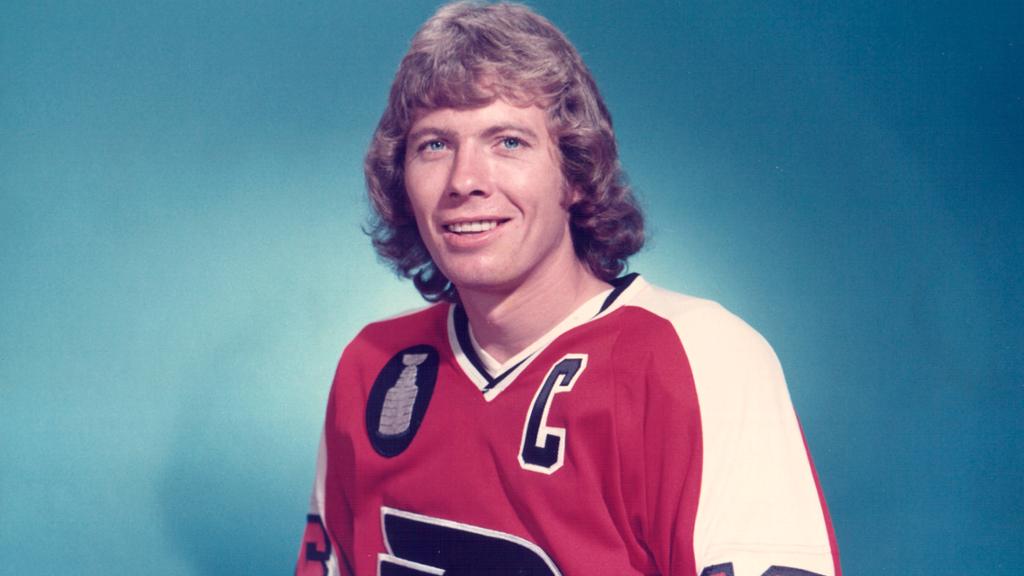
We will start out in the 1969 draft where Philadelphia had the 17th selection in the second round and chose Bobby Clarke. Now this selection here gained Philadelphia their face of the franchise, if you were to ask people who the greatest Philadelphia Flyers of all time a vast majority of them would choose Bobby Clarke. Clarke would play his entire 15-year career with the Philadelphia Flyers, he would win three Hart trophies one Lester B. Pearson Trophy and one Selke trophy. Clarke would end his career with 1210 points in 1144 games played. He would Captain the Flyers to their two Stanley Cup victories in the 1970s and would be honoured with his number 16 being retired by the Philadelphia Flyers on November 15th 1984.
Moving along we will now take a look at the 1972 draft where the Flyers held the seventh pick overall and chose a player who wore number seven during his career, Bill Barber. Playing between 1972 to 1984 Barber was one of the top Flyers players during the 70s and early 80s. With five 40 plus goal seasons, one of those reaching the hollowed 50 goal plateau, Barber was a lethal threat year in and year out to put pucks in the net. Scoring 25 points in 34 games combined during the 74 and 75 Stanley Cup winning playoffs Barber was a counted on source for the Flyers’ success.
For the final high flyer we will go to a pretty obvious one, technically he was not a flyers draft pick but he refused to sign or play for the Quebec Nordiques so he was subsequently traded to the Flyers to begin his NHL career. Eric Lindros was the first overall pick in the 1991 draft and he was touted as the next generational player. It was Gretzky then Lemieux and now Lindros and he sure came out with a bang. Lindros scored 75 points in 61 games in his rookie year, notching 41 goals in the process. He would stay with the Flyers for eight years until losing out on a full season in 2000-2001 due to injury and then was traded in the summer of 2001 to the Rangers. During his eight years with Philadelphia he was a dominant force, standing at 6 ‘4 and 230 pounds Lindros was the archetype of a power forward. In his eight seasons in Philly he always had over a point per game and in the 1994-1995 season he finished with 115 points and won the Lester B. Pearson and Hart trophies as the league MVP. He scored four seasons of 40 plus goals and had two other 90 plus point seasons, both seasons he missed 10 plus games as well. Lindros was a phenom and unfortunately we never got to see his true potential realized long term due to the terrible injuries he suffered throughout his career. On January 18th 2018 the Flyers retired Lindros’ jersey to cement him as one of the greatest Flyers of all time.
Moving along to picks that did not age like fine wine, first we will go back to a pretty recent draft in 2017 where the Flyers won the lottery to move up to the second spot in the draft. Picking Nolan Patrick who was touted as the number one prospect for quite some time before Nico Hischier took over and was the first overall selection. Patrick has not had it easy so far in his career, riddled with injuries and sub par performance when not injured, it is beginning to look like Patrick’s full potential will not be realised at the NHL level. Patrick played from 2017-2021 with the Flyers before being traded to the Nashville Predators for Ryan Ellis. In his three seasons Patrick played at most 73 games and his career high was 31 points. He scored a total of 70 points in 197 games for the Flyers. 2017 had names like Cale Makar at pick four and Miro Heiskanen at pick three and Elias Pettersson at pick five and Martin Necas at pick 12, so this pick could have had an immense upside that was missed.
Moving along to 2013 the Flyers were picking just outside the top ten at number 11 and chose massive 6 ‘6 winger Samuel Morin. Morin struggled mightily to gain traction in the NHL finally playing one regular season game in the NHL in the 2016-2017 season but would not return until next season for two games. He would gain another 26 NHL games before finishing his career. In his total 29 games he scored one goal. This pick was heavily scrutinised as time went on and it just did not age well looking back, especially as the next five picks from this 2013 draft are all NHL regulars to this day.
Another player who struggled to gain traction for the Flyers was that of 1999 first round pick Maxime Ouellet. He was a goalie elected 22nd overall in 1999 and went on to play two games for the Flyers, gaining no wins, and would spend the rest of his time with the franchise in the minor league. He would be traded along with many other assets to the Washington Capitals in March of 2002 for Adam Oates, Oates would however only play 14 games for the club before leaving in free agency for Anaheim. Ouellet’s tenure was just an all around bust for the Flyers, choosing a goalie is always risky, but it is even higher risk when it is done in the first round, and unfortunately this pick did not pan out.
Furthermore, never looking back and always looking forward we will move away from the past and move to the present, where we see the 2023 Philadelphia Flyers selecting at the number seven spot in this year’s draft, in total the Flyers have nine picks in this years draft, 1st, 3rd (NYR), 3rd (FLA), 4th, 4th (EDM), 5th, 6th, 6th, (OTT), 7th. Currently the Flyers do not have a whole heck of a lot when it comes to top tier prospects, their best is last year’s fifth overall pick Cutter Gauthier and he looks to be a solid A level prospect putting up 37 points in 32 games for Boston College last season. Other than that there isn’t much to write home about so at number seven Philly should pick the best available player. So any of Dvorsky, Moore or Leonard would be great additions to their team moving forward, all high quality and high offensive forwards that will help Philadelphia move toward being a playoff contending team in the future once again.
For more information on the 2023 NHL Draft class be sure to pick up your copy of the comprehensive DraftPro 2023 NHL Draft Guide.
Across the river from the big apple we go and onwards into the capital of Canada we will take a look at the Ottawa Senators and their draft day history.
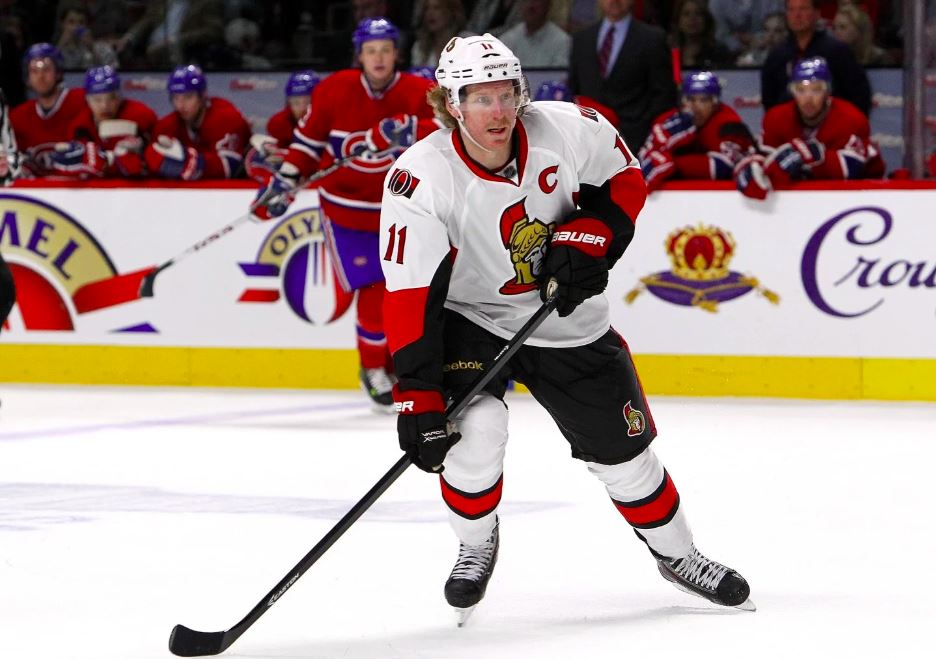
Ottawa had their first draft back in 1992 and from there on they have made some big selections that have helped shape the history of their franchise. To start off we will take a look at the 1994 draft where in the sixth round at pick 133 the Ottawa Senators chose their franchise’s greatest player Daniel Alfredsson. Coming into the NHL for the 1995-1996 season Daniel Alfredsson put up an impressive 61 points in 82 games to win the Calder trophy as rookie of the year in 1996. Alfredsson would go on to have a very successful career as a Senator, he would hit the 100 point mark once in his career in 2005-2006 and would finish his career with the Senators with 1108 points in 1178 games. He would play one more year before retirement with the Red Wings but would sign a one day contract to retire as a Senator. On December 29th 2016 Alfredsson became the first Ottawa Senator to have his jersey retired by the franchise.
Next up we go to the 2001 draft where after Ilya Kovalchuk went number one, Ottawa was up at number two and chose their first line centre for the next 10 plus years Jason Spezza. Playing in Ottawa between 2002-2014 Spezza was a fan favourite and one of their biggest weapons during that time. He had four seasons of over a point per game with his career high in 2008 of 92 points. Spezza was a two time all star in 2008 and 2012 and he will most certainly have his number retired by Ottawa when his career is all said and done.
Finishing off some of the best, we will look at the 2008 draft where the Senators held the 15th pick and went on to choose one of the best defenseman of the 21st century Erik Karlsson. Karlsson would play for the Senators from 2009-2018 and in that time he would cement himself as one of the top defenseman in the league. He won two Norris trophies during his time in Ottawa in 2012 and 2015 and went into five all star games and was a four time first all team player during his time in Ottawa.
Moving on to pics that were not the best for Ottawa we will stop at the 1993 draft where Ottawa held the first overall pick. With having the franchise’s first ever first overall pick in this draft they took the opportunity to select Alexandre Daigle. Daigle was a bad choice for first overall for a myriad of reasons, one is work ethic was not consistent, two is point production for Ottawa was not where it needed to be when selected as a first overall forward and three, there were two years he did not play to pursue other endeavours. It does not look like hockey was taken very seriously given that two year gap.
Moving along we stopped at the 1998 draft where Ottawa held the 15th overall pick and chose goaltender Mathieu Chouinard. Chouinard would defer, through lack of appropriate contract and go back into the NHL draft for the year 2000 and be selected this time in the second round at the 45th selection by none other than the Ottawa Senators once again. Once Chouinard was finally his pro career for the Senators virtually ended. Chouinard played one game in the NHL for the Los Angeles Kings in 2003-2004 playing in two minutes of action and facing two shots in that time. After that Chouinard played the rest of his career in the IHL, AHL, ECHL and a brief stop in the LNAH league, finally retiring at the end of the 2006 season.
Finishing off we will head to the 2002 draft where Ottawa held the 16th pick and went with Jakub Klepis. Klepis never even had the opportunity to suit up for Ottwa in any capacity because in 2003 he was traded away to the Buffalo Sabres for Vaclav Varada and a fifth round pick who was eventually Tim Cook and they never played in the NHL. The return they got for a mid round first round pick was pitiful, Varada played in parts of three seasons for the Ottawa Senators, scoring 39 points in 117 games played. This selection ended up being a waste because there was nothing that came out of drafting Klpeis with the 16th overall pick, there were plenty of more Worthy prospects to select at that pick, some that may even have given some value back to Ottawa through their play rather than just being traded away for a player who scored a mere 39 points in those 117 games and then went to take his skills over to Europe the following season.
However the current day Ottawa Senators are looking up, quite up to be certain, Ottawa has made some very high value trades in the past few seasons acquiring players like Alex Debrincat and Jakob Chychrun, as well as drafted a few highly talented players and defenseman Jake Sanderson and Center Tim Stutzle. With their core relatively young and on the higher side of talent Ottawa looks to be a potential threat in the years to come. This will come as good news to Ottawa Senator fans as if they were to look at what their team has for picks in this upcoming draft, one of the deepest drafts in terms of talent over the past 10 years, they would cry. Ottawa does not select currently until the fourth round of this coming entry draft and after that Ottawa will look to select once in the fifth round and three times in the 7th round. Not too often do a franchise find that high Talent player this deep in the draft but crazier things have happened. Given that Ottawa will make their first selection in the fourth round around pick number 108 a couple players that may be available that they should take a look at are goalie Jacob Fowler and right wing Connor Levis.
For more information on the 2023 NHL Draft class be sure to pick up your copy of the comprehensive DraftPro 2023 NHL Draft Guide.
Staying in the big apple we will now take a look at the Rangers franchise and their draft day history. Drafting since 1963 the Rangers have had some success but not as much as you may think through the draft in their history.
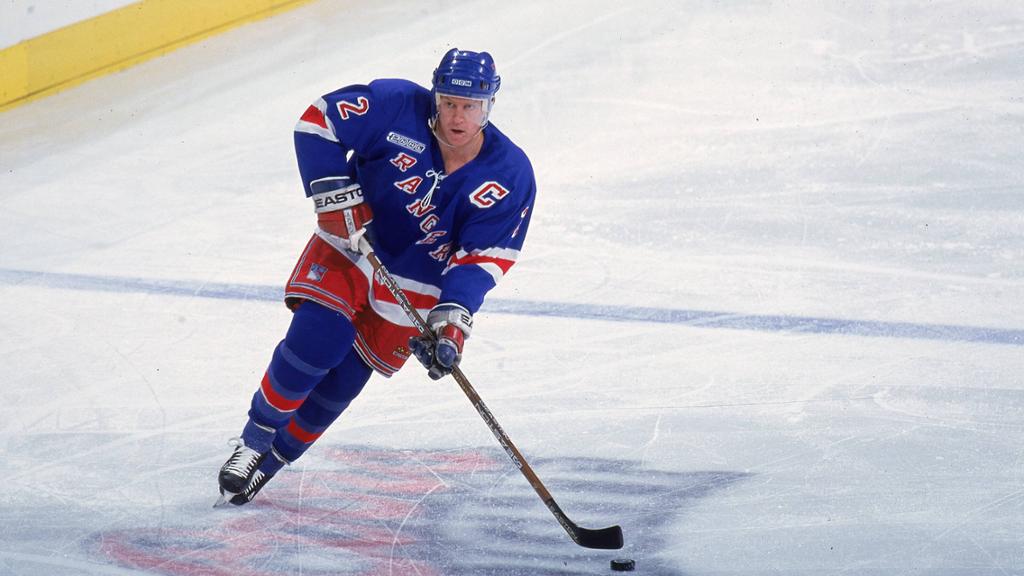
To start it off we will talk about a few good picks they did make during their history. In 1986 the Rangers made one of their most prolific picks in their history. With the ninth selection in the 1986 draft the Rangers chose Franchise defenseman Brian Leetch. Leetch was an offensive dynamo for the Rangers during his day, he was the last defenseman, until Erik Karlsson this season, to hit the 100 point mark, Leetch won two Norris trophies with the Rangers in 1992 and 1997 and was the Conn Smythe winner in 1994 for the Rangers’ one and only cup win, Leetch had 34 points in 23 games played in that run. He was captain of the New York Rangers between 1997-2000 and when Leetch retired, the New York Rangers retired his number two at MSG on January 28th 2008.
Moving on to the Millenium and the 2000 NHL entry draft. The Rangers waited until the seventh round to select their franchise goalie Henrik Lundqvist. Even though it took Lundqvist until the 2005-2006 season to make his North American debut for the Rangers it was worth the wait. He ended his rookie season with 30 wins and a 922 save percentage and that was only the beginning of king Henrik’s reign over the net. Lundqvist would go on to win 459 games and grab one Vezina trophy in 2012 for good measure. He was the backbone for the Rangers for 15 years and they never had to worry about who was their starter. He brought the Rangers to the Stanley Cup final but was unable to capture the elusive Stanley Cup. However, the mark he left on the franchise and the city was unmatched and will not be matched anytime soon. He was cemented in Rangers legacy on January 28th 2002 with his number 30 sent up into the rafters of Madison Square Garden.
The final player to talk about for this part of the article is 1985 draftee, Mike Richter. Richter was drafted in the second round 28th overall and became the permanent starting goalie for the Rangers after they traded John Vanbiesbrouck to the Vancouver Canucks at the end of the 1993 season. Richter would go on to backstop the Rangers to their only Stanley Cup in Franchise history in 1994. He would end up retiring at the end of the 2003 season. Richter would finish his career only playing with the Rangers and registering 301 wins in the process. He would get his jersey number 35 retired by the Rangers on February 4th 2004.
Now moving away and on to players who never panned out for the Rangers. Starting in the 1990 where the Rangers used their 13th overall selection to draft defenseman Michael Stewart. Now Stewart would play two more years at Michigan State before turning pro and when he did he never got above the AHL level. He spent some time in the IHL as well before taking his skills overseas and playing in the DEL league and in Austria until his retirement from pro hockey at the end of the 2010 season. He never once laced up the skates for the Rangers in a regular season game. Some notable players drafted after Stewart in the 1990 draft would be Keith Tkachuk 19th overall, Martin Brodeur 20th overall and Felix Potvin 31st overall.
Moving further into the 90s we have the 1996 draft where the Rangers held pick number 22 and used it to select defenseman Jeff Brown. Just like Stewart, Brown would take two more years after his draft before turning pro and when he did it was a lot of the same as Stewart never getting above the AHL level in North America. Brown would play in the AHL, UHL, ECHL, and then over in Europe he would play in the BISL until coming back to North America until retirement at the end of the 2007 season.
Moving only one year later to the 1997 draft, the Rangers hold pick 19 and use it on forward Stefan Cherneski. Cherneski would have the same trajectory as the two former players spoken about above. After turning pro at the beginning of the 1998 season Cherneski would only play for three seasons between 1998-2001 before hanging up his skates and all those games were for the affiliate of the Rangers organisation, the Hartford Wolf Pack. A couple other options the Rangers could have gone for that would have panned out given history would have been, Scott Hannan drafted 23rd overall, Brenden Morrow drafted 25th overall, and Brian Campbell drafted 156th overall.
Now flash forward to the 2023 Rangers and you will see a team with a lot of upside to them. They have a top five goalie, some top forwards and a top five defenseman in the league, and with nine first round picks since 2017 the Rangers look to be pretty set up. However due to their lacklustre development of their prospects many of those top picks have either stumbled out of the gate and been traded away or are struggling to develop their game in the Rangers’ system. It is a scary sign for any prospect to see this.
Looking towards the 2023 draft the Rangers hold four picks in the draft this year, 1st, 3rd (COL), 6th, 6th (WPG). With their early exit in the Playoffs the Rangers could expect a pick in the first round around the 22nd spot. Looking at who could be potentially available at that spot the Rangers could choose Gavin Brindley, Ethan Gauthier or Hunter Brzustewicz. Given their development trends over the past 5-8 years what would be best for the Rangers would be to take the best available player with the most natural talent so there is less need for development and more of just some seasoning either in juniors or college until they’re ready to make an impact for the Rangers.
For more information on the 2023 NHL Draft class be sure to pick up your copy of the comprehensive DraftPro 2023 NHL Draft Guide.