Tag: Chicago Blackhawks

  • 2026 NHL Draft Central Division Preview: The Biggest Need and Storyline for Every Team

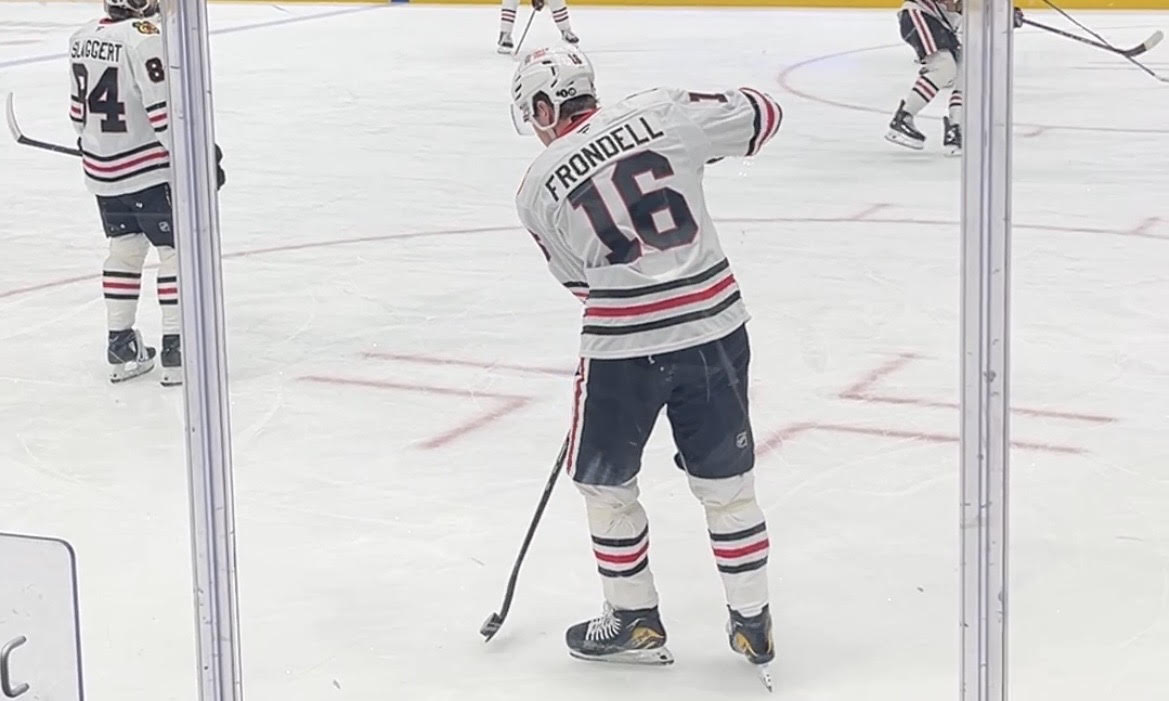
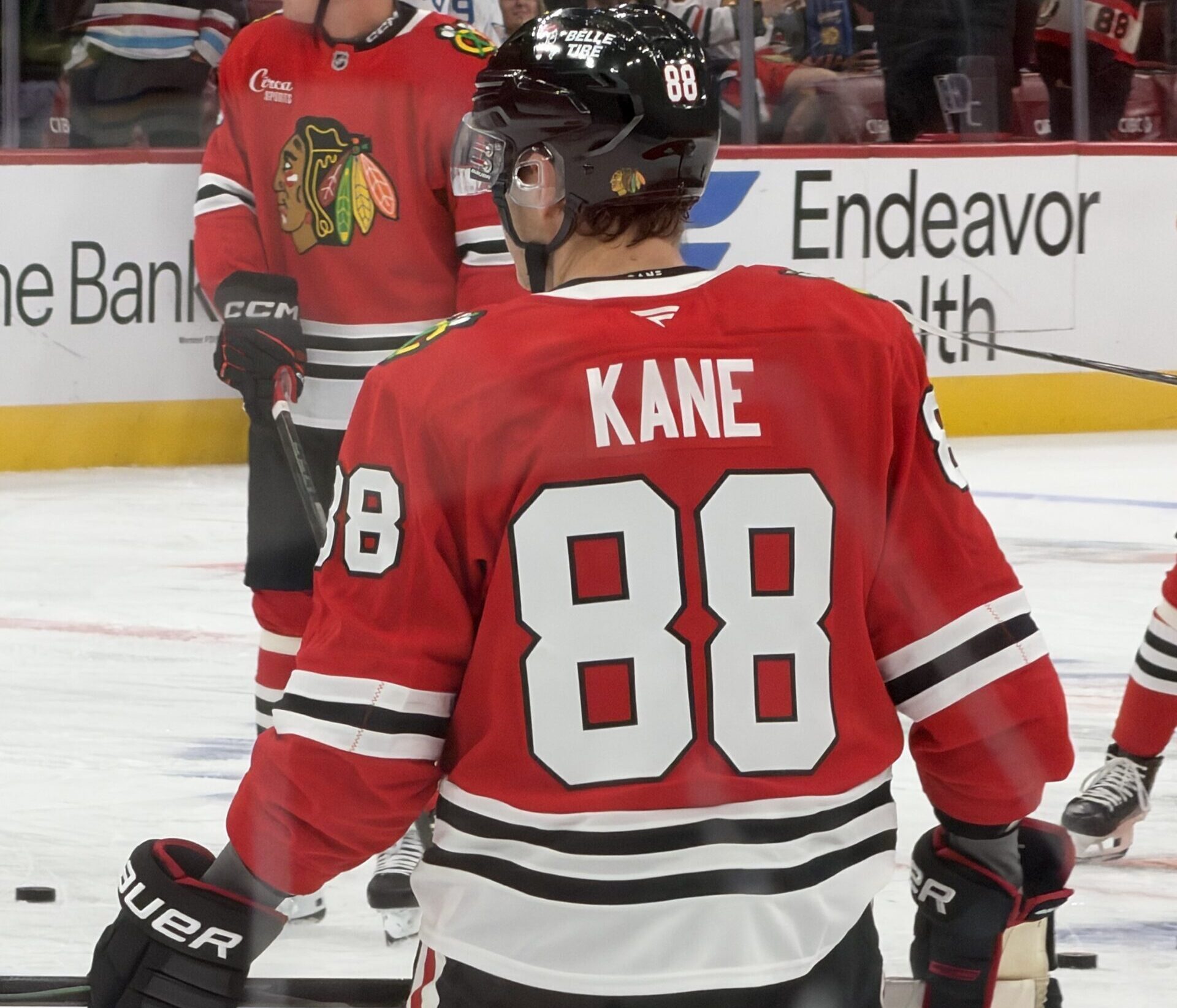
    Chicago Blackhawks 

    Primary Need: Elite offensive talent to complement the core 

    Secondary Need: Long-term top-six winger depth 

    Storyline: Building properly around a franchise cornerstone 

    Chicago’s rebuild is no longer theoretical. With a franchise center already in place, the Blackhawks are now in the phase every rebuilding team dreams about: building support around a true cornerstone player. That shifts the draft conversation away from “who might become a star someday” toward “who can help maximize the window of a generational talent.” 

    The organization still lacks enough high-end finishing talent on the wings. While there is promising depth in the system, there remains a gap between potential and elite offensive production. That gap becomes more noticeable when projecting playoff-caliber hockey, where scoring depth is essential. 

    Chicago’s front office must also decide how aggressive to be in accelerating the rebuild. There is temptation to supplement the roster through trades or free agency, but long-term sustainability still depends on internal development through the draft. 

    The broader storyline is alignment. The Blackhawks finally have a direction again, but success will depend on how effectively the rest of the roster is built around their central piece. This draft is less about discovery and more about optimization. 

    Colorado Avalanche 

    Primary Need: Cost-controlled depth forwards 

    Secondary Need: Defensive prospect pipeline replenishment 

    Storyline: Staying elite while the salary cap tightens 

    Colorado remains one of the NHL’s premier contenders, anchored by elite top-end talent and a proven championship core. However, sustained success brings a familiar challenge: cap pressure and thinning depth. 

    The Avalanche no longer draft from a position of need at the top of the roster. Instead, the focus has shifted toward maintaining a steady flow of affordable depth players who can step into NHL roles without disrupting the salary structure. 

    Defensive depth is also an organizational priority. While the top of the roster remains strong, the pipeline behind it requires continuous reinforcement to ensure long-term stability. 

    The front office dilemma is straightforward. Do they continue targeting safe, NHL-ready players or take higher-upside swings that may take longer to develop? 

    The larger storyline is sustainability. Colorado has already proven it can win at the highest level. The challenge now is ensuring the window remains open as long as possible. 

    Dallas Stars 

    Primary Need: Goaltending succession planning 

    Secondary Need: Defensive depth development 

    Storyline: Preparing for the eventual transition in net 

    Dallas has built one of the NHL’s most complete rosters, combining high-end offensive talent with strong defensive structure. The organization is firmly in win-now mode, but even contenders must plan ahead. 

    The most pressing long-term concern is goaltending succession. While the current roster remains competitive, the organization must eventually identify a future starter capable of maintaining that standard. 

    The Stars also need continued defensive depth development to support long playoff runs. Depth at all positions becomes increasingly important as postseason expectations grow. 

    The challenge for Dallas is timing. Drafting for the future while competing in the present requires disciplined roster planning. 

    The broader storyline is stability. The Stars are built to contend now, but the next great team is always being shaped in the draft. 

    Minnesota Wild 

    Primary Need: High-end center depth 

    Secondary Need: Right-shot defensive stability 

    Storyline: Breaking through the playoff ceiling 

    Minnesota has been a consistently competitive team, but the organization continues to search for the final pieces needed to become a true contender. Center depth remains the most important gap. 

    While the Wild have strong veteran leadership and defensive structure, the lack of elite center talent limits offensive ceiling in high-pressure playoff environments. 

    The organization also continues to seek right-shot defensemen who can complement its existing blue line structure. 

    The front office must decide whether to maintain a patient approach or become more aggressive in acquiring elite talent. 

    The broader storyline is progression. Minnesota is no longer rebuilding, but it has not fully broken into the league’s top tier either. The draft remains the most reliable path toward that next step. 

    Nashville Predators 

    Primary Need: Dynamic offensive skill 

    Secondary Need: High-end forward creativity 

    Storyline: Shifting identity toward skill and speed 

    Nashville has traditionally built its identity around structure, defense, and work ethic. While that approach has produced consistent competitiveness, it has not always translated into elite offensive production. 

    The organization is now in a phase where adding high-skill forwards is essential to modernizing its lineup. Without more dynamic offensive players, the team risks remaining competitive but limited. 

    The draft provides an opportunity to inject creativity and offensive upside into a system that has often prioritized safety over explosiveness. 

    The larger storyline is evolution. The Predators are attempting to adapt to a league that increasingly rewards speed and skill over structure alone. 

    St. Louis Blues 

    Primary Need: Top-pair defenseman 

    Secondary Need: Long-term defensive stability 

    Storyline: Rebuilding without fully resetting 

    The Blues find themselves in an interesting middle ground. The organization is not undergoing a full teardown, but it is clearly in a transition phase. 

    Defensive structure remains a key concern. A top-pair defenseman would provide long-term stability and help anchor the next competitive iteration of the roster. 

    St. Louis must also balance competitiveness with development. The challenge is avoiding the pitfalls of remaining “in between” contending and rebuilding for too long. 

    The broader storyline is direction. The Blues are reshaping their identity while attempting to remain relevant in the standings. 

    Utah Mammoth 

    Primary Need: Franchise offensive talent 

    Secondary Need: Identity-defining skill player 

    Storyline: Establishing a new hockey identity 

    Utah is still in the early stages of defining its long-term organizational identity. Expansion-era teams often face the challenge of turning depth into star power, and that is where the Mammoth currently stand. 

    While the roster contains promising young pieces, the organization still lacks a clear offensive centerpiece capable of defining the franchise’s direction. 

    The draft is critical in shaping not just the roster, but the identity of the team moving forward. A true high-end forward could accelerate that process significantly. 

    The broader storyline is establishment. Utah is not refining an identity yet. It is still building one. 

    Winnipeg Jets 

    Primary Need: Top-six center 

    Secondary Need: Forward depth sustainability 

    Storyline: Maximizing a shrinking window 

    Winnipeg has remained competitive through strong drafting, development, and elite goaltending at times. However, maintaining that level of success requires continuous reinforcement at key positions. 

    Center depth remains the most important long-term need. Without it, sustaining offensive consistency becomes difficult over the course of a long season. 

    The Jets face a familiar small-market challenge: maximizing current competitiveness while ensuring the pipeline does not thin out over time. 

    The broader storyline is urgency. Windows in the NHL are rarely permanent, and Winnipeg must ensure it continues to refresh its roster with impactful young talent. 

  • Weekly 2026 Draft Eligible Three Stars

    The playoffs for prospects across the hockey world are now underway, marking a critical stretch where players can separate themselves from the rest of the draft class with standout performances in high-pressure games. This week’s draft-eligible three stars feature a Swedish center on fire in his junior club’s postseason after his pro season ended; a Western Hockey League (WHL) defender who piled up goals in the regular season and continues to do so in the playoffs; and a dynamic Ontario Hockey League (OHL) center who continues to drive one of the most dangerous teams in Canadian major junior hockey.

    Here are the draft-eligible three stars for the week of March 23 to 30.


    Viggo Björck | C | Djurgårdens IF (SHL)

    Swedish center Viggo Björck wrapped up his first full professional season with respectable totals for an 18-year-old with a March birthday. While his stat line — 15 points (six goals, nine assists) in 42 SHL games — doesn’t jump off the page, the Stockholm native was a force at the World Junior Championships, recording nine points (three goals, six assists) for the gold medal-winning squad. Björck also earned increased ice time as the season progressed and was playing a top-line role by the playoffs.

    Despite producing at a point-per-game pace in Djurgårdens’ three-game first-round series against Malmö, Björck and his team were eliminated. That allowed the eighth-ranked skater on the Draft Prospects Hockey 2026 NHL Draft Rankings to join the club’s U20 team, which remained in the playoff hunt. The 5-foot-10 center made an immediate impact in the quarterfinals, helping the team advance to the semifinals.

    In Game 1, Björck recorded a power-play assist midway through the second period as Djurgårdens cruised to a 3-0 win. In Game 2, the IFK Täby product added a secondary assist on the opening goal before sealing a 4-1 victory with an empty-net tally. With a chance to clinch the series in Game 3, Björck delivered his best performance.

    The 2025 U-18 IIHF World Championship silver medalist opened the scoring just over three minutes into the game with a deft backhand finish. He added an assist in the second period as his team built a 3-1 lead, then capped off the win with a power-play one-timer into a nearly empty net. Despite appearing in just three games, Björck leads the league in postseason points per game.


    Daxon Rudolph | RHD | Prince Albert Raiders

    Daxon Rudolph’s calling card in his draft season has been his goal-scoring ability. The WHL sophomore led Canadian major junior defensemen eligible for the draft with 28 goals—eight more than Carson Carels of the Prince George Cougars. The 6-foot-2, 203-pound blueliner also added 50 assists, finishing second in CHL scoring among draft-eligible players behind Tommy Bleyl of the Moncton Wildcats.

    The 10th-ranked skater on the Draft Prospects Hockey 2026 NHL Draft Rankings has carried that production into the postseason, facing the Red Deer Rebels in the opening round.

    In Game 1, Rudolph helped facilitate strong puck movement on the power play, earning a secondary assist on a goal by Vancouver Canucks prospect Braeden Cootes. Early in the second period, Rudolph jumped into the play, initially firing a shot for a potential tip before circling the net and burying the rebound into a nearly empty net. The goal stood as the game-winner in a 4-1 victory.

    Rudolph stayed hot in Game 2 as the Raiders defended home ice. After a scoreless first period, he helped spark the offense in the second, holding the line to keep a play alive before setting up Ben Harvey for a goal.

    Later in the period, while killing a penalty, Cootes intercepted a pass and spotted Rudolph streaking through the neutral zone. The defender took the pass in stride and wired a wrist shot over the goaltender’s glove. He later added another power-play assist, bringing his total to five points through two games.


    Caleb Malhotra | C | Brantford Bulldogs (OHL)

    Caleb Malhotra played a key role in helping the Brantford Bulldogs finish atop the OHL standings this season. He ranked second on the team in scoring behind Seattle Kraken prospect Jake O’Brien, posting 84 points (29 goals, 55 assists). That total also placed him second among draft-eligible OHL players, trailing only Saginaw Spirit forward Nikita Kelpov. The son of longtime NHLer and current AHL coach Manny Malhotra has firmly established himself as one of the top centers in the 2026 draft class.

    Malhotra has carried that momentum into the playoffs, recording four points through two games in the opening round.

    In Game 1, the former Chilliwack Chief extended his team’s lead to 3-0 in the second period, capitalizing on a rebound during a power play. He struck again later in the frame, picking off a clearing attempt and wiring a wrist shot from the left faceoff circle to make it 5-2. The Bulldogs went on to win 6-2.

    Malhotra remained a difference-maker in Game 2. On an early power play, Marek Vanacker recovered a broken play and found Malhotra alone at the backdoor for an easy tap-in to open the scoring. Later, with under five minutes remaining in the second period, Malhotra led the rush and threaded a pass across the zone to Cooper Dennis, who quickly set up a teammate in front to restore the lead. The Bulldogs added an empty-net goal late to secure a 2-0 series advantage.