Blog

  • DRAFTPRO – DRAFT DAY HISTORY – DETROIT RED WINGS

    DRAFTPRO – DRAFT DAY HISTORY – DETROIT RED WINGS

    By Zackery Robert

    Moving on to Motown and to the Detroit Red Wings. The Wings have had a storied franchise to date with countless great players and picks. They have drafted and developed well in the past and present. The Wings have had much team success and look to continue that in the future with great players, picks and development.

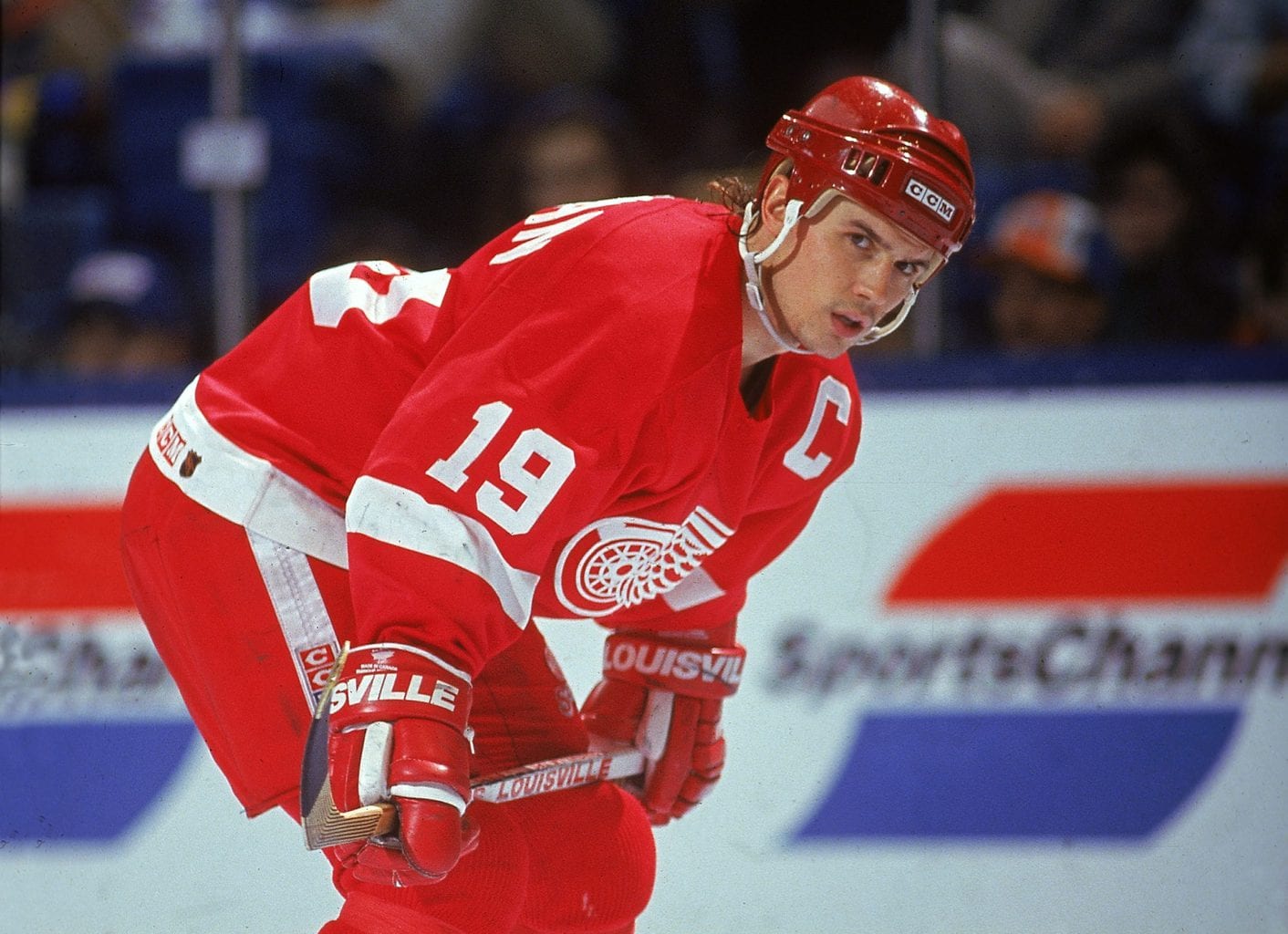
    To begin we will start in the 1983 draft where the Red Wings made possibly their most franchise defining pick when they selected Steve Yzerman with the fourth overall selection. Yzerman spent his entire 22 year career with the Red Wings winning three Stanley cups during that time. Yzerman has a Conn Smythe, a Lester B. Pearson (currently a Ted Lindsay trophy), and a Frank J. Selke trophy to his name to go along with 1755 points in 1514, to say this pick was a winner is an understatement, Yzerman is an all time great NHL player and easily winds up on this list as one of the best picks Detroit has ever made in their history.

    Detroit has had many great picks and they have come from all over the draft not just in the first or second round. For this pick we will move to the 1989 draft in round three pick number 53 and see Nicklas Lidstrom chosen with this pick. Lidstrom is a hall of fame defenseman holding a ridiculous seven Norris trophies and one Conn Smythe. He has over 1100 points in over 1500 games and was the Captain for many seasons after Yzerman.

    Making a list of just a few of Detroit’s best draft picks is quite difficult when you take a look at their drafting history. You have Zetterberg in the seventh round, you have Fedorov in the fourth round, you have Chris Osgood in the third round and you have Pavel Datsyuk in round six. The Red Wings have one of the best drafting histories out of any team in the league so this choice is a hard one but nevertheless the choice is Pavel Datsyuk. Datsyuk was a career Red Wing with over 900 points in over 900 games, the accolades he won are enough to put him on this list, with three Selke trophies and four Lady Byng trophies in his showcase to go along with two Stanley cups, Datsyuk is a Red Wing legend and will most definitely have his number in the rafters of the Joe Louis arena in the not so distant future.

    Moving on from the best of their picks to the picks that did not reach their potential. To start we will go back to the 1976 draft where the Red Wings held the fourth overall pick and selected Fred Williams. Williams was also a WHA pick the same year but never played in the WHA. For his NHL career Williams only played in one year during the 1976-1977 season playing 44 games. In those 44 games Williams held a stat line of two goals five assists for seven points. After that season he went and played down in the minors and other leagues until his retirement after the 1982 season. Only three picks later the Blues chose Bernie Federko who ended up with over a 1000 point career. Williams just did not pan out and with that he ended up on this list.

    When doing these lists, the most important factors are, where were they drafted and how successful was that draft pick for the team. Nothing else goes into account when making up these lists of players. This next player was the number one overall pick back in 1986 and did not hit his stride until moving on to a different team. Joe Murphy was the first overall pick for the Red Wings back in 1986 and subsequently began playing for the organisation the following season. Murphy played a total of three and half seasons before moving to Edmonton. In that time he split games between the Red Wings and their affiliate, the Adirondack Red Wings. In his time with the big club Murphy’s totals were 90 games and 32 points. Upon leaving he was able to notch seven 40+ point seasons and seven 20 goal seasons, with two being 30+ goal seasons. However for the Red Wings this pick ended up being a bust as it was not the most productive tenure for a first overall pick that you would expect. For that reason Murphy winds up on this list.

    Finally we end off this list at the 1985 draft with Detroit selecting Brent Fedyk eighth overall. Upon making his pro debut in 1987, Fedyk split five seasons between the Red Wings and their affiliate. In total Fedyk played 162 games for the Red Wings scoring 56 points before being traded away for a mid round draft pick. Fedyk would play a vast majority of his games in the minors before hanging it up after the 1999-2000 season, which he played in Germany, Fedyk did not pan out and struggled to stay in the NHL as a whole. For that reason Fedyk winds up as the third and final player to be on this list.

    Currently in 2023 the Detroit Red Wings look poised to have a fairly nice future with some of their prospects developing well. Steve Yzerman their current gm has done a terrific job so far in terms of course correcting the Red Wings’ rebuild after their powerhouse team in the early 2000s. They have a very even mix of forward and defence prospects. Detroit was always known to favour European players and it looks like much is the same with the current day Red Wings as some of their most touted young guns and prospects are, Swedish defenseman Simon Edvinsson, German defence standout Moritz Seider, Swedish winger Lucas Raymond, Swedish defender William Wallinder and their most recent pick Austrian winger Marco Kasper. With five of their lost brightest young players being European it would make sense for Detroit to look more heavily and favourably at one of Europe’s best and brightest prospects.

    They have a boat load of picks coming in this draft and many early round picks too, 1st, 1st (NYI), 2nd, 2nd (VAN), 2nd (STL), 3rd, 4th (MIN), 5th, 6th, 7th, with 10 total picks Detroit is armed for this upcoming draft. Right now Detroit lands at the ninth overall pick and can go no lower than 12th in the draft so if we look at the top 15 draft eligible prospects and given Detroit’s history of European player drafting one can see them targeting any of these next three players, Czech forward Eduard Sale, Austrian defender David Reinbacher, or Swedish defender Axel Sandin Pellikka. It would make more sense for them to draft a defenseman because there are plenty of higher quality forwards in the later rounds compared to higher quality defensemen and given their current defence core, bringing in a high grade defence prospect would bolster their potential blue line a few years down the road with players like Moritz Seider and Simon Edvinsson already there.

    For more information on the 2023 NHL Draft class be sure to pick up your copy of the comprehensive DraftPro 2023 NHL Draft Guide.
    https://draftprospectshockey.com/draftpro-2023-nhl-draft-guide/
  • DRAFTPRO – DRAFT DAY HISTORY – DALLAS STARS

    DRAFTPRO – DRAFT DAY HISTORY – DALLAS STARS

    By Zackery Robert

    Next we travel from Ohio to the great state of Texas where we take a look at the Dallas Stars franchise. Formerly moving from Minnesota to Dallas in 1993 the Stars would find success by the end of the decade and would hope for more going into the new millennium.

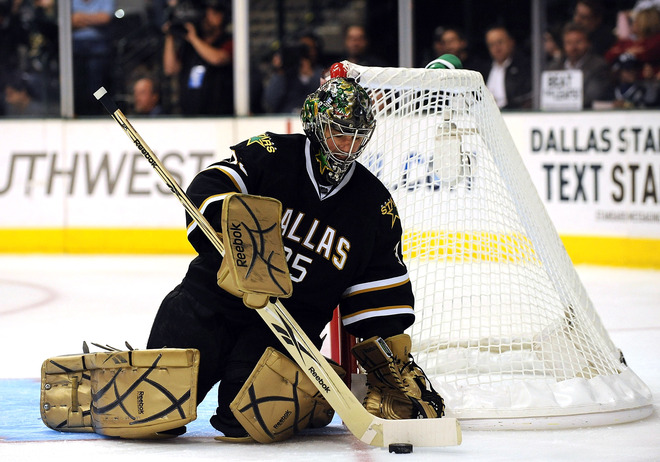
    Dallas made their first appearance at the NHL entry draft in June of 1993 where they held the ninth overall pick. For the purpose however of looking at the most successful picks in the franchise we will flip to the 1994 draft where in the fifth round the Stars would use the 124th pick to select their franchise goalie in Marty Turco. After playing four years at the University of Michigan and then two more in the IHL, Turco finally debuted for the Stars in the 2000 season. Turco would then hold the net for the Stars from 2000-2010 with multiple 30 win seasons and one 40 win season Turco would finish off his playing time in Dallas with 262 wins, good for number one in franchise history.

    Coming up next was a player who was technically drafted by Minnesota but since the team moved to Dallas and he played a vast majority of his games with the Stars he will be a part of this list. Mike Modano, recognized as one of the best American players of all time and formerly recognized as the best American player, was selected first in the 1988 draft. Modano had an impressive career spanning into four decades from the 80s-10s, during his prime he would constantly be in the 70-90 point range and would amass over 1300 points in his career. Modano would help lead the Stars to a Stanley cup in the 1999 season. Modano would have his number retired by the Stars in the 2014 season on March 8th.

    Coming in next is another member of the 1999 cup winning team. Jere Lehtinen was the 88th overall selection in the 1992 draft by the Minnesota North Stars, eventually the Dallas Stars. Lehtinen only ever suited up for the Dallas Stars and was a big part of the team’s success during his full 14 year career. He was one of the league’s top defensive forwards winning three Frank J. Selke trophies as the league’s best defensive forward. He scored 514 points in his 875 games and, as mentioned earlier, captured a Stanley cup with the team in 1999. Lehtinen is one of only three Stars players to have his jersey retired, He was honoured on November 24th 2017.

    Now for picks that did not go according to plan. We will start at the 2009 draft where Dallas held the right pick and selected centre Scott Glennie. Glennie had a lot of potential but his potential never came close to being matched. Glennie suited up in only one NHL game recording zero points. After that he was a consistent AHL player until his full retirement after the 2016-2017 season. In this draft there were actually a good amount of defensemen drafted after Glennie which the Stars could have used in this current age. Players like Nick Leddy, Ryan Ellis, Calvin De Haan, and Dmitri Kulikov, and along with forward Ryan O’Reilly there were plenty of more suitable options they could have chosen looking back.

    Next we will travel back to the 1996 draft where the Stars held a top five pick at number five and went to the blue and chose Richard Jackman. Jackman was not what the Stars had hoped for, for being such a high pick it would have been quite disappointing to see him struggle to maintain a spot in the NHL. Jackman ended up playing 38 games for the Dallas Stars before being traded away to the Boston Bruins. In those 38 games Jackman scored three points. It is never easy to see such a high pick not pan out but unfortunately that is the case sometimes.

    Finally we will take a look at goal for the Stars and rewind to the 2001 entry draft where they held pick 26 and used it on Jason Bacashihua. In this series thus far we have not had one goalie on this list but in case for the Stars they had very low picks during a lot of their drafts and many times they did not have a first round pick at all. But when a goalie goes in the first round they must have something special because not a lot of them go in the first round. For Bacashihua he never laced them up for the Dallas Stars and developed for five more seasons before going into the NHL and with a record of 4-10-1 in his first season he never lived up to that first round status. Only playing one more year in the NHL in 2006-2007 Bacashihua finished with a career record of 7-17-4. It is very hard when drafting a goalie anytime, let alone in the first round, but for the lack of return the Stars got for drafting him in the first round, Bacashihua winds up on this list.

    In 2023 the Stars gm Jim Nill has assembled a pretty potent offence with Hintz, Robertson, Pavelski, etc and with a goalie who looks to be one of the league’s best in his prime, the Stars look to be quite formidable for the foreseeable future. The Stars finished eighth in the league and have a first round matchup with the Minnesota Wild. They definitely have their sights set on a deep run as they traded away their first round pick to help aid in that deep run.

    But when June arrives and the draft is upon us the Stars will have a draft choice lineup that looks like this: 2nd, 4th, 5th, 6th, 7th, and for what can make this draft a success for the Stars is if they focus on defence. Their first pick could end up being in the late 50s so we will look to mid second round players to target. For the Stars, some good prospects to target would be Aram Minnetian, Andrew Strathmann, and Etienne Morin. Some mid-size defensemen with speed that can help continue that current offensive threat of the Dallas Stars.

    For more information on the 2023 NHL Draft class be sure to pick up your copy of the comprehensive DraftPro 2023 NHL Draft Guide.
    https://draftprospectshockey.com/draftpro-2023-nhl-draft-guide/
  • DRAFTPRO – BEST IN CLASS – 2023 TWO-WAY DEFENSEMEN

    DRAFTPRO – BEST IN CLASS – 2023 TWO-WAY DEFENSEMEN

    Top 10 Two Way Defensemen in the 2023 NHL Entry Draft

    By Isaiah Bouchard

    The 2023 NHL entry draft is getting ever closer to hockey fans, and the excitement fans have for who their teams are going to draft this year is ever higher as the regular seasons across the globe are coming to an end, and playoff season is just around the corner. And there is a lot for fans to be excited for this year, as the draft is looking like one of the strongest in years.

    Connor Bedard is looking increasingly like a franchise-level player, rivaling the likes of Sidney Crosby, Alex Ovechkin, Nathan Mackinnon, Austin Matthews, and Connor McDavid. Adam Fantilli would have been a first-overall pick in arguably the last six drafts, Leo Carlsson is the next big center to come out of Sweden, and he is a must-grab in the top 5. And, of course, there is the Russian sniper: Matvei Michkov, who, despite being signed to the KHL until 2026, is so good that any team picking in the top 5 will be more than willing to wait for the Russian star.

    But after the big 4 in this year’s draft, who fills out the remaining slots is always an exciting mystery come draft day. Teams must allocate their scouting resources to best support the organization’s roster on draft day. Who needs the top defensemen? Say, over-the-top sniper or goaltender? That is why we at DraftPro are excited to present an in-depth look at every position and who best thrives in that position. Who is the best sniper? The best power forward? offensive defensemen? Hopefully, after this 8-part series, all these questions will be answered.

    Seven DraftPro scouts were asked their top 5-7 players for the following positions: sniper, playmaker, two-way forward, power forward, offensive defenseman, defensive defenseman, two-way defenseman, and goaltender. Their lists were recorded separately, and then once all seven scouts handed in their lists, their results were compared to one another. The final lists you read here determined the average each player placed. This is not a ranking of the best players overall, simply a ranking of who is the best for each given position. Players may be placed on multiple lists, as many players are not one-dimensional, and can not be forced into one category.

    Thank you to the following scouts for providing their lists: Jared Brown, Matt Hnatiuk, Tyler Karoway, Andrew LeBlanc, Murray Caldwell, Andy Miller, and Jody Horak.

    The two-way defenseman is what many consider to be the norm for a modern-day defenseman. As the name suggests, the two-way defensemen excel at both ends of the ice. As the game gets faster, being able to assist the offense in any way has become a more and more crucial aspect of a defender’s game. But while offensive defensemen are growing popular as well. Their lack of focus on the defensive end can harm their team at times. Coaches expect more from their defensemen these days, so a good two-way defenseman is, of course, going to grow in popularity as the game evolves. As utility in players continues to grow in importance.

    So who are the best two-way defensemen in the 2023 NHL draft class? Here are DraftPro’s TOP 10 Two Way Defensemen:

    First, here are the honorable mentions, players who did not have enough consensus in our scout’s analysis to crack the top ten or players who seemed to fit other roles better: Paul Fischer, Dimitry Simashev, Mikhail Gulyayev, Andrew Strathman, Theo Lindstein, Beau Akey, and Maxim Strbak.

    Aram Minnetian, Boston College, NCAA, #61-71 overall (2nd-3rd Round).

    “Minnetian is the most well-rounded defenseman in the NSDP. Called upon to play in big situations and is a commanding presence on the blue line.” – Andrew LeBlanc.

    To start off this list, we have a solid late-2nd-round defenseman in the draft, Aram Minnetian. As Andrew said, Minnetian has been building a reputation in the American leagues. Mainly the USHL and NSDP. In the NSDP particularly, he has a very respectful 22 assists and 7 goals. Minnetian is just about what you expect from a second-round two-way D- Man, he’s reliable and will likely fit in anywhere he ends up going.

    Oliver Bonk, London Knights, OHL, #23-33 overall (1st-2nd Round).

    “Plays a smart, defensive game, makes good breakout passes, has a great shot from the offensive blue line, and is not afraid to skate It up when the opportunity presents itself.” – Jody Horak.

    Suspect to see Oliver Bonk a lot on these lists, as Oliver Bonk offers a lot as a defenseman. Some two-way defensemen will tend to favor either offense or defense over the other, and think of Oliver Bonk as a two-way defenseman who favors offense. And with his awesome shooting, Oliver Bonk can be relied upon to play both roles whenever needed. But don’t shirk too much on his defense, as his skating allows him to recover easily when the opposing breakout forces the team back.

    Tom Willander, Rögle BK J20, J20 Nationell, #32-42 overall (1st-2nd Round).

    “Willander uses his excellent skating and four-way mobility effectively on both sides of the puck. He can lead the rush and act as a fourth forward occasionally off the Ozone cycle. Then he uses his feet to manage the opposing rush and close his gaps quickly when the carrier is along the boards, forcing them into making a challenging play with the puck.” – Jared Brown.

    Willander also makes a second appearance on these lists, as, like Bonk, Willander offers a lot offensively for his team. Willander is going to be a great second-round pick, as he provides a very dynamic and effective playstyle.

    Luca Cagnoni, Portland Winterhawks, WHL, #37-47 overall (2nd Round).

    “Excellent 2-way defender. Steers opponents to the outside that break through the middle. Has a laser of a wrist shot and a heavy slap shot.” – Murray Caldwell.

    Luca Cagnoni has been building up a reputation as an offensive defenseman, but his defensive abilities shouldn’t be overlooked. Sure, he has 64 points in 67 games, that sure seems like an offensive defenseman, but I would argue what separates Cagnoni apart from other offensive defensemen is his defensive qualities. Excellent positioning and vision let him play those big defensive minutes as well. A very versatile defenseman overall, much like Bonk and Willander.

    Caden Price, Kelowna Rockets, WHL, #31-41 overall (1st-2nd Round).

    “Top pairing defenseman in his young career, he plays in all situations. Smooth skating defender who has excellent speed in reverse, creates a lot of turnovers due to his speed, stamina of a mule, elite IQ with a mountain of strength, grit, determination, intensity, drive, and willingness to outwork the opponent.” – Murray Caldwell.

    Another defenseman to come out of the WHL with exceptional offensive abilities, Price is similar to Cagnoni in many ways. But what makes him a great two-way defender as well is his pest-like playstyle. Being a hard-working player on both ends of the ice, Price’s mindset and drive will naturally make him a tough defenseman to play against.

    Hunter Brzustewics, Kitchner Rangers, OHL, #22-32 overall (1st Round).

    “Hunter is a player that shows excellent confidence as well as poise at either end of the ice. He is very capable of stopping the opposition with smart defensive play or making excellent passing plays to create offensive zone chances. Offensively he reads plays well and jumps into open areas to become an option for his linemates. Defensively he closes out that space quickly to force the opponent to rush their play.” – Matt Hnatiuk.

    With 51 assists, Brzustewics plays exactly how every coach wants their defense to play. That is, really well in every position on the ice. Like many on this list, Brzustewics is an outstanding offensive player, who does not sacrifice any defensive qualities to his game. Suspect Brzustewics to make the big passes by finding those passing lanes. This quality alone makes him an outstanding two-way D-Man, but his accuracy and cautious behavior make him a stout defender as well.

    Cameron Allen, Guelph Storm, OHL, #35-45 overall (2nd Round).

    “Allen is a very talented two-way defenseman. He doesn’t have the skill set of Brzustewicz yet, but he can defend much better than Brzustewicz does. Allen skates well and can start a breakout effectively.” – Andy Miller.

    Cameron Allen is our first two-way defenseman who is defensive first, and offense second. This is usually the case, but this year is a big draft year for offensive defensemen, so there will naturally be some overlap. Allen may be under 6 feet, but he doesn’t play like it and is not afraid to throw the body around. Allen also has excellent leadership qualities, as he led Team Canada to gold in the Hlinka-Gretzky Cup. He also led the whole tournament in assists. Since then, Allen has cruised his way through this season in Guelph, being the top stud defenseman that he seems almost destined to be.

    Tanner Molendyk, Saskatoon Blades, WHL, #24-34 overall (1st-2nd Round).

    “His aggressiveness along the boards, his relentless on puck carriers, and defensive stickwork make an absolute pain to play against. Once he gets the puck off the opposition’s stick, the puck is up ice in a blink of an eye from one his laser quick passes, and he’s setting up shop on the blue line creating havoc for his opponent.” – Tyler Karoway.

    An underrated offensive player, Molendyk just barely beat out Allen and Brzustewics for this #3 spot. All players are great in their own ways. Brzustewics is arguably the best offensively, Allen is better defensively, and Molendyk is a happy medium between the two. And look at that, this is a Top 10 for two-way defensemen. I love it when things work out nicely. Right now, we have Molendyk just barely in the first round. He could easily slip a few spots up or a few spots down, making him a highly contested option for the early second round if he does.

    Axel Sandin-Pellikka, Skellefteå, SHL, #8-14 overall (1st Round).

    “As a smaller player Sandin-Pellikka has had to become very strong with his defensive stick work. His timing on stick lifts and poke checks have given him the edge on his opposition to get the puck back on his stick before transitioning up ice. He can really show off his talent’s once he enters the offensive zone as he has pinpoint passing and finds ways to create offense any time the puck touches his stick.” – Tyler Karoway.

    Axel Sandin-Pellikka is arguably the best defenseman overall in this draft. Sitting in the top 15 of all players in the draft, Sandin-Pellikka can do it all. He at first developed a reputation as a top offensive defenseman, like so many others on this list, but over time he has developed his defensive skills. Mainly, his stick-checking and positioning has gotten really good. While Sandin-Pellikka is an excellent player, is he the best at the two-way role? While he is undoubtedly a fantastic offensive defenseman, there is one player who is slightly better at playing that two-way role…

    David Reinbacher, EHC Kloten, National League, #16-26 overall (1st Round).

    “Reinbacher is a big guy who uses his reach and body well to stop the rush. Continuously gaining confidence to pinch and make plays in the offensive zone.” – Andrew LeBlanc.

    Assuming he makes it to the NHL, Reinbacher will join the short list of Austrian-born NHL players, and with his fast-growing popularity in the scouting community, he may just be one of the best in recent memory. The biggest guy on this list, Reinbacher, has naturally good reach and defensive advantages over the others. While he started off as a second or even later-round pick to many, his performances at the World Juniors and hard-nose, tenacious play style has led him to grow in popularity. I fully Suspect Reinbacher to grow as an excellent breakout defenseman, as he shows great promise in the skating department as well. With his combination of skating, checking, and senses, David Reinbacher from EHC Kloten is the best two-way defenseman in the 2023 NHL draft class.

    For more information on the 2023 NHL Draft class be sure to pick up your copy of the comprehensive DraftPro 2023 NHL Draft Guide.
    https://draftprospectshockey.com/draftpro-2023-nhl-draft-guide/
  • DRAFTPRO – DRAFT DAY HISTORY – COLUMBUS BLUE JACKETS

    DRAFTPRO – DRAFT DAY HISTORY – COLUMBUS BLUE JACKETS

    By Zackery Robert

    Next stop Ohio, in the year 2000 the Blue Jackets began their drafting journey. During their early years Columbus had many high selections and could have set themselves up for grey long term
    Success. Some of those choices helped that hall and some choices hindered that goal.

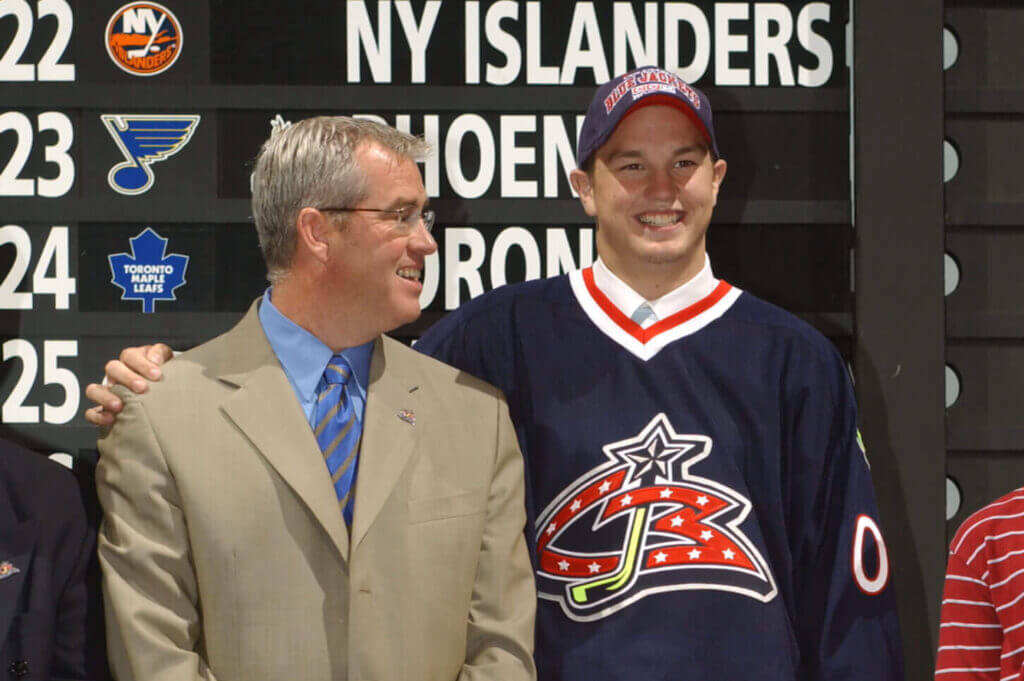
    To start it off we will go back to the 2002 NHL entry draft when Columbus held the first overall pick. With their pick they selected Rick Nash and he ended up turning out to be their franchise superstar. Nash scored two 40 goal seasons during his time in Columbus and captured himself the Rocket Richard trophy for most goals in the 2003-2004 season, actually tying with Jarome Iginla and Ilya Kovalchuk with 41 goals. Nash had highlight reel goals and was a force with the puck. He was just what the Blue Jackets needed to help kick start their new franchise at the time, culminating with Nash having his number 61 retired by the Blue Jackets in March of 2022, being the first Blue Jacket to receive this honour.

    Next up we will look at the current captain of the Blue Jackets, Boone Jenner. Jenner was drafted in the second round of the 2011 NHL entry draft 37th overall and has become their longest tenured player currently on the team. He is a quality player who can eat up minutes and play well at both ends of the ice. He provided stability to a team that until recently was not able to attract many to its team. Fast forward to 2023 with a couple high end forwards and a first line defensemen and high end prospects, Columbus looks to have a bright future ahead.

    Rounding out this part of the article we will stop at the 2015 draft and see the Blue Jackets select defenseman Zach Werenski. Werenski was a part of that incredible 2015 class that seemed to have no shortage of high end first round picks. Werenski was selected eight overall and it has paid off very well for the franchise in desperate need of a top pair defenseman. He is a 40-50 point player currently with the potential to hit at a 60 point level when playing a full 82 game season. He is big and skates fast and has many of the tools to be a top defenseman in the league at only 25 years old.

    Columbus had many high picks in the 2000s and shockingly a vast majority of them never panned out. We will start with 2008 sixth overall pick Nikita Filatov. Filatov had a lot of upside to his skill set but sadly nothing ever came of it. Filatov played in parts of three seasons with the Blue Jackets totalling 44 games played with them 13 points to go along with those games. After that he was traded away to the Ottawa Senators for a third round pick in 2011. He barely played for one season in Ottawa before returning to Russia to end his career in 2019.

    Next up is another fairly disappointing pick, in 2004 Columbus held the eighth overall pick and chose French winger Alexandre Picard. Picard really struggled to gain any momentum in his playing career and bounced in between the NHL and AHL for five years before being a full time AHL player before moving overseas to continue his career. In total Picard played 67 games in the NHL all for the Blue Jackets scoring only two assists total in those games. Another high pick gone by the wayside for the Blue Jackets.

    To finish off this list we will only have to look ahead one year to the 2005 entry draft where Columbus again held the sixth overall pick. With this pick the Blue Jackets chose centre Gilbert Brule. Brule had a nice junior career before going into the NHL but once again it did not translate to any success with the Blue Jackets. In 146 games played for the Blue Jackets Brule only scored 32 points and after splitting part of the 2006-2007 season in the NHL and AHL. He was traded to the Oilers for Raffi Torres.

    During this tumultuous drafting and development time the team was led by general manager Doug MacLean and for whatever reason their drafting under him was brutal to say the least and upon his departure on April 19th 2007 his interim general manager replacement Jim Clark did not fare any better. In his first and only draft at the helm of the team his first-round pick, eight overall, was used to select Alexandre Picard, and if you read this article you will know exactly how that turns out for the Blue Jackets.

    Currently in 2023 the ship is being led by general manager Jarmo Kekalainen and under his tutelage his team has seen an abundance of highly touted projects join the organisation through the draft. Names that come up are Kent Johnson, Cole Sillinger, Denton Mateychuk, David Jiricek and Yegor Chinakov, all of which are A level prospects and have shown good signs of growth in their respective games. Which is very good news for the current Columbus Blue Jackets as they sit as one of the bottom two teams in the league this year and look at a top three or four pick in the draft this year. When you’re this high you never draft for news and always go with the best available player. With that information the Columbus Blue Jackets will be looking at Conner Bedard, Adam Fantilli, Leo Carlsson and Matvei Michkov. The ladder of the four players seems quite intriguing as if the Blue Jackets were to be at the third or fourth pick it could make sense given their current pool of high level prospects to draft Michkov and let him stay for his duration of his contract in the KHL as they wouldn’t desperately need him right away and he is a talent that cannot be denied so Columbus could be a fantastic landing spot for the young Russian star if they sit with the chance at selecting him at the bottom end of the top five picks. We will see what the Blue Jackets do with their nine picks this year at the 2023 draft, 1st, 1st (LAK), 2nd, 3rd, 3rd (CGY), 4th, 4th (WPG), 5th (BOS), 7th.

    For more information on the 2023 NHL Draft class be sure to pick up your copy of the comprehensive DraftPro 2023 NHL Draft Guide.
    https://draftprospectshockey.com/draftpro-2023-nhl-draft-guide/
  • DRAFTPRO – DRAFT DAY HISTORY – COLORADO AVALANCHE

    DRAFTPRO – DRAFT DAY HISTORY – COLORADO AVALANCHE

    By Zackery Robert

    Coming up next in this series is the defending Stanley Cup champions the Colorado Avalanche. The Avs have had a lot of success in recent years culminating in a Stanley Cup last season. For this article the same will apply to the Avalanche as it did to the Coyotes, players drafted by the original franchise who came over to Colorado and played for the Avalanche can be considered for the best and worst picks of the franchise.

    Starting off we will turn to the old Quebec Nordiques franchise which moved to Colorado in 1995. This player was drafted by the Nordiques but played their entire career with the Franchise including the majority of his career in Colorado. Joe Sakic was the number 15 overall pick in the 1987 draft and had his two most point productive seasons as a Colorado Avalanche with 120 and 118 points respectively. He won his two Stanley Cups as a player with the Avalanche and his third as the general manager of the Avalanche just last season. Sakic won the Conn Smythe in 1996 and in the 2000-2001 season earned himself a Hart trophy, Lady Byng trophy and Lester B. Pearson trophy as the league’s MVP with his 118 point season.

    Next up is former number one overall pick Nathan MacKinnon. MacKinnon started off hot with a Calder trophy winning season and then began to taper off. Turn to the 2017-2018 season and he punched through the wall with 97 points in 74 games and since then he has been unstoppable. The last six seasons have all been over a point per game and with this season being his first hitting the century mark in points it seems that MacKinnon has only higher to go being only 28 this year.

    Now if you’ve followed this series much you will notice that this next player is the most recently drafted player to make a team’s best draft choices list. Cale Makar was the fourth overall pick in 2017 coming out of the Alberta Junior Hockey League, or AJHL, after two seasons in the NCAA Makar began his NHL career. Makar stunned in his first season winning the Calder trophy and it has only gotten better since then. With his last three seasons being at a point per game or higher Makar looks to be the next best defensemen in the league for the next decade. To his resume, Makar has a Stanley Cup, a Conn Smythe and a Norris trophy to go along with the Calder trophy. In only four seasons he has a better resume then 80% of defencemen who have played 10 plus years in the NHL.

    Coming off of three amazing picks for the franchise we will now shift gears to three picks that did not do much for the franchise. Coming up first is former 2014 first round pick Conner Bleackley. Bleackley was drafted 23rd overall and never even signed with the Avalanche, being redrafted two years later to the St Louis Blues in the fifth round. Bleackley has never suited up for an NHL game and has been a constant AHL player and is currently an ECHL player. This pick never panned out and two picks later Boston drafted David Pastrnak who is having a superstar year for the Bruins with a 60+ goal season this year.
    Next we will take a look at the 2010 draft where Colorado held pick 17 and went with centre Joey Hishon. Hishon was a good junior player so his stock must’ve been close to a middle six centre which would have been very good for 17th, but Hishon never made much of an impact on that potential. He played 13 games for the Avalanche and scored one goal with one assist. Totalling two career points Hishon would go overseas to finish out his playing career after the 2017-2018 season. Colorado would subsequently struggle for the next few years with top picks in 2011 and 2013 and no pick in the first round in 2012 so it would have been nice for this pick to help in the future but unfortunately that wasn’t the case.

    Thirdly we will go back to the 2002 entry draft. Colorado had a very late first round pick at number 28 and used it to choose Jonas Johansson. The Swedish winger would bounce around the AHL and ECHL until finally cracking an NHL roster for one game in the 2005-2006 season for the Washington Capitals. He would never make it back to the NHL after that, continuing his play in the minors until moving back to Europe and playing in multiple locations until his retirement in 2017. This first round was not heavy with long term players but with Johansson never playing for the Avalanche, this pick should be on this list.

    Joe Sakic has done a remarkable job building this team since his tenure began and their development of their prospects has been mid-level at best so as it stands to see some improvement if they would like to continue long term success around their core of MacKinnon, Rantanen, Landeskog, and Makar. So in a draft as deep as this one it pays to put more effort into who to draft when you won’t need the players to join right away but rather in 3 to 4 seasons.

    Currently Colorado sees themselves back in the playoffs and trying to run it back and win back-to-back cups, once that is all finished they will look at the draft and looking at the draft Colorado holds four picks, 1st, 5th, 6th, 7th. With Colorado looking at a 50 win season and their recent history of playoff success, a prediction of their first round pick landing between 26-32 seems decently accurate, nothing is a guarantee in the Stanley Cup Playoffs, so with that Colorado should look for a forward at this pick. In their recent seven drafts they have held seven first round picks which three have been traded away which leaves four left and two are forwards which one hasn’t developed much yet being a 2021 pick. At the tail end of the first round there are forwards like Calum Ritchie, Otto Stenberg, Kohen Ziemmer and Kasper Haltunnen. With these names it would be foolish to pass up on the idea of a first round forward. My personal opinion would be centre for the Avs so the first three names make more sense but we will have to see how their run ends up in order to decide who they will truly draft in June.

    For more information on the 2023 NHL Draft class be sure to pick up your copy of the comprehensive DraftPro 2023 NHL Draft Guide.
    https://draftprospectshockey.com/draftpro-2023-nhl-draft-guide/
  • DRAFTPRO – DRAFT DAY HISTORY – CAROLINA HURRICANES

    DRAFTPRO – DRAFT DAY HISTORY – CAROLINA HURRICANES

    By Zackery Robert

    Sixth in this draft day history series is the Carolina Hurricanes. A fairly new franchise in terms of drafting history, only drafting for what will be 26 years this draft in June. Never holding the number one pick, let’s see what the Hurricanes have been able to do in those 26 years.

    To start off we will go with a Hurricanes legend, Cam Ward. Ward was drafted 25th in the 2002 draft and began to play for the Hurricanes in the 2005-2006 season. Ward burst onto the scene with a Stanley Cup and Conn Smythe in his rookie year. This was for sure a sign of things to come as Ward would backstop the Hurricanes for a total of 13 seasons out of his 14 and totaling 318 wins for the club, most by any Hurricanes goalie in franchise history.

    The next player is probably one of their most successful players to put on the Canes jersey. Eric Staal was drafted in the 2003 in the first round pick number two and Staal burst onto the scene in his second season scoring 45 goals and 55 assists for a 100 point season at only 21. Staal would play the first 12 years in Carolina between 2003-2016 before being traded at the deadline in the 2015-2016 season to the Rangers. Scoring 775 points during his tenure with the Hurricanes, Staal will go down as one of the best Hurricanes in their history when he’s all said and done.

    Third on this list is someone who has the potential, if they are here long enough, to be the best drafted Hurricane and that is Sebastian Aho. Aho was selected in the second round pick 35 in 2015. So far in his young career he has been electric and has brought that top forward back to Carolina since Eric Staal in his prime. So far Aho has over 450 points in a little more than 500 games played in his career, with four 30 goal campaigns already, Aho looks poised to be the best Hurricane when he hangs up his skates.

    Now on to players who could have fared better for the Hurricanes during their respective tenures. First up would be third overall selection in the 2005 draft, Jack Johnson. Johnson never played one game for the Hurricanes before being traded away to the Los Angeles Kings in 2006 for not much of a spectacular return. In 2005 Johnson was third, but there were future hall of fame names selected shortly after him starting at number five with Carey Price, then at number 11 with Anze Kopitar and at 21 with Tuukka Rask. With many more viable options that had nice careers Johnson will definitely go down as a bust of a pick for the Hurricanes.

    Next up is former fourth overall pick Andrew Ladd. Ladd was selected in the 2004 draft and played three years for the club before being traded to the Blackhawks. The Hurricanes had a solid return for Ladd in Tuomo Ruutu, but Ladd never played at a fourth overall selection level, in 137 games Ladd scored 50 points. It was more beneficial for Ladd then it was for the Hurricanes, winning a Stanley Cup and then being traded to a team that will also win a Stanley Cup in his short time with them.

    Third and final choice is former seventh overall pick Haydn Fleury. The defensemen was drafted in 2014 and just never got it clicking in his career. Fleury played 167 games for the Hurricanes and scored 24 points. He struggled to gain footing in the league and was traded away to the Ducks part way through the 2020-2021. He has continued to bounce around since leaving Carolina and has played on four different teams in the last three seasons.

    Currently the Hurricanes are a playoff bound team and are looking like strong contenders so the draft is probably not very high on their list of things to focus on just yet. But when June comes around the Hurricanes hold nine picks in total: 1st, 2nd, 3rd (PHI), 4th, 5th, 5th (VAN), 6th, 6th (CHI), 7th. Right now the Hurricanes are stocked up on forward and with their top prospect being rookie Seth Jarvis, the blue line should be their focus. Given their season, a pick between 27-32 wouldn’t be a surprise so to focus on that area and their need for defence they should keep close eyes on the following three defence, Theo Lindstein, Oliver Bonk, and Lukas Dragicevic. All three will add a steady mix of offence and defence which will benefit the Hurricanes greatly for such a low selection.

    For more information on the 2023 NHL Draft class be sure to pick up your copy of the comprehensive DraftPro 2023 NHL Draft Guide.
    https://draftprospectshockey.com/draftpro-2023-nhl-draft-guide/
  • DRAFTPRO – BEST IN CLASS – 2023 DEFENSIVE DEFENSEMEN

    DRAFTPRO – BEST IN CLASS – 2023 DEFENSIVE DEFENSEMEN

    Top 10 Defensive Defensemen in the 2023 NHL Entry Draft

    By Isaiah Bouchard

    The 2023 NHL entry draft is getting ever closer to hockey fans, and the excitement fans have for who their teams are going to draft this year is ever higher as the regular seasons across the globe are coming to an end, and playoff season is just around the corner. And there is a lot for fans to be excited for this year, as the draft is looking like one of the strongest in years.

    Connor Bedard is looking increasingly like a franchise-level player, rivaling the likes of Sidney Crosby, Alex Ovechkin, Nathan Mackinnon, Austin Matthews, and Connor McDavid. Adam Fantilli would have been a first-overall pick in arguably the last six drafts, Leo Carlsson is the next big center to come out of Sweden, and he is a must-grab in the top 5. And, of course, there is the Russian sniper: Matvei Michkov, who, despite being signed to the KHL until 2026, is so good that any team picking in the top 5 will be more than willing to wait for the Russian star.

    But after the big 4 in this year’s draft, who fills out the remaining slots is always an exciting mystery come draft day. Teams must allocate their scouting resources to best support the organization’s roster on draft day. Who needs the top defensemen? Say, over-the-top sniper or goaltender? That is why we at DraftPro are excited to present an in-depth look at every position and who best thrives in that position. Who is the best sniper? The best power forward? offensive defensemen? Hopefully, after this 8-part series, all these questions will be answered.

    Seven DraftPro scouts were asked their top 5-7 players for the following positions: sniper, playmaker, two-way forward, power forward, offensive defenseman, defensive defenseman, two-way defenseman, and goaltender. Their lists were recorded separately, and then once all seven scouts handed in their lists, their results were compared to one another. The final lists you read here determined the average each player placed. This is not a ranking of the best players overall, simply a ranking of who is the best for each given position. Players may be placed on multiple lists, as many players are not one-dimensional, and can not be forced into one category.

    Thank you to the following scouts for providing their lists: Jared Brown, Matt Hnatiuk, Tyler Karoway, Andrew LeBlanc, Murray Caldwell, Andy Miller, and Jody Horak.

    The defensive defenseman, or the shutdown defenseman, has been around in hockey since players wished for their net to not be scored on. Back then, it wasn’t uncommon to see defensemen prioritize size and physicality over speed or any kind of offensive qualities. Their points will be low, rarely cracking 10 assists, and scoring a goal was out of the question. Nowadays, defensemen are expected and allowed to do a lot more on the ice. As a result, the traditional defensive defenseman has become less common in modern hockey. But that doesn’t mean a really good defensive defenseman can’t find any success in the game or favor with their coach. So who plays the best defensive hockey in the draft? Well, there is no better way to answer that question than to list out DraftPro’s Top 10 defensive defensemen.

    Because the defensive defenseman is becoming increasingly uncommon, it was difficult to find ten players to put on this list. So, as a result, there are only two honorable mentions to give: Matteo Mann and Theo Lindstein.

    Tom Willander, Rögle BK J20, J20 Nationell, #32-42 overall (1st-2nd Round).

    “Willander uses his excellent skating and four-way mobility effectively on both sides of the puck. He can lead the rush and act as a fourth forward occasionally off the Ozone cycle. Then he uses his feet to manage the opposing rush and close his gaps quickly when the carrier is along the boards, forcing them into making a challenging play with the puck.” – Jared Brown.

    It’s fair to say that Tom Willander operates more as a two-way defenseman rather than a pure defensive defenseman, but that is true for many on this list. As mentioned earlier, pure defensive defensemen are becoming rarer these days. But that doesn’t mean defensemen with defensive qualities are fading in relevance, far from it, and that is precisely why Willander is so intriguing as a prospect. With excellent skating qualities, Willander shows just how much the defensive strategies have shifted in the game. He also has a solid frame to him, so it is likely we will see his defensive game develop even more so as he gains the confidence to throw his body around.

    Kaden Hammell, Everett Silvertips, WHL, #97-117 overall (3rd Round).

    “Hammell’s shutdown positioning and brute strength stop anyone coming into his zone. Strong on his stick and pushes the play to the walls to negate any scoring chances.” – Tyler Karoway.

    At 6’2″ and over 180 lbs, Hammel is a flashback to the days of old for defensive defensemen. Playing on a ‘not bad but also not good team’ in Everett also makes his -3 plus/minus not too shabby either. I know plus/minus triggers people, but I can only cite their height and weight so many times. In all seriousness, Hammell is a good option for the later rounds, and many gem defensemen are often found in rounds 3-7.

    Brady Cleveland, University of Wisconsin, NCAA, #93-103 overall (2nd-3rd Round).

    “Cleveland is a big defender who typically positions himself well and makes good reads. He is an average skater but uses his size and reach to compensate at times. Cleveland can get caught flat-footed and take penalties occasionally, but he is at his best when he has a bit of a mean streak and plays physically.” – Andy Miller.

    Playing most of his games in the USDP, Cleveland has over 100 penalty minutes! This may seem like an alarming stat, but it’s not always so clear. One just has to look at the traditional role of the enforcer or antagonizer type of player to see the value they can bring to the team. Getting under players’ skin and rallying your teammates behind you are excellent qualities. Cleveland also finished his year in the USDP with a +18 +/-, which reflects he doesn’t let these penalty minutes get in the way of his defensive game.

    Andrew Gibson, Soo Greyhounds, OHL, #81-91 overall (2nd Round).

    “Gibson is a big defender who defends well but also has a bit of an offensive side to his game. He makes good breakout passes and has demonstrated some good hands in tight. Gibson does need to be aware of elite level players/skaters on the opposing team so that he does not get caught flat-footed.” – Andy Miller.

    Almost over 200 lbs at 18 years old, while also being 6’3″, Gibson has a good chance at being drafted this year on his physical size alone. On top of that, he’s a steadfast defender who can provide some offensive assistance from time to time. He had a great season in the NOJHL in his younger years, winning many awards for his time with the Soo Thunderbirds. Now he’s slowed down slightly in the tougher OHL competition, but not enough for scouts to dismiss him. Not at all, in fact, as he still makes the top 100 in many overall rankings. Gibson could just have a rockier path than most in his journey to the NHL.

    Jakub Dvorak, Bili Tygri Liberec, Czechia, #50-60 overall (2nd Round).

    “He’s got good mobility and a rangy active stick to confidently defend the rush and keep attackers at bay, away from the middle of the ice. Also possess the big frame to play physical man-on-man and has a strong stick to be harder on picks to win those important puck battles in the Dzone.” – Jared Brown.

    Coming in at 6’5″ and 205lbs, I feel like I’m announcing a pro wrestler rather than a 17-year-old hockey player. Dvorak may just be the largest skater in the top 100, maybe even the whole draft, and that is why he is currently sitting in the 2nd round selection at the time of writing this. Dvorak plays interesting for a big player, as he has solid skating behind him, helping get in position and avoid the cliched ‘pylon’ insult thrown towards many big bulky defensemen. Being 17 years old, Dvorak is only going to get bigger, so he will be a very interesting player to see develop for sure.

    David Reinbacher, EHC Kloten, National League, #16-27 overall (1st Round).

    “Reinbacher’s tight gap control, blend of mobility, strong defensive stick checking, and physicality make him highly effective at shutting down the rush. He can stop the cycle as he knows how to close players off along the perimeter and pin them while a teammate comes in to recoup the puck.” – Jared Brown.

    A perfect example of how defensive techniques have changed in hockey, Reinbacher prioritizes speed and mobility to shut down offense in a very effective way. He has excellent motor which helps him utilize these techniques more effectively and also helps him recover faster. Reinbacher’s performance at the World Juniors showcased his playstyle’s effectiveness, as one could see the momentum shift when he stepped onto the ice. He was always willing to throw himself in front of any opponent, no matter how outmatched his team was.

    Oliver Bonk, London Knights, OHL, #23-33 overall (1st-2nd Round).

    “He always seems to be in the right place at the right time because he has such strong awareness on the ice. He also is very strong defensively and displays excellent gap control when backing into his zone. When defending in his zone, you can expect effective, consistent play with the added bonus of quick puck movement to get the puck out of his end.” – Matt Hnatiuk.

    Speaking of momentum shifting, we now look at Oliver Bonk. He plays a very similar style to Reinbacher, but his style is more effective in more situations. He’s excellent at breakout passing and can naturally shift his game to an offense-focus blue liner. Bonk seems to have many advantages to his game, but his excellent defensive awareness and solid passing are two to definitely take home. However, Bonk appears to be more focused on offense, which is a shame because his defensive abilities are pretty high. He would be a very effective shutdown defenseman if he wanted to be. We will have to wait and see how he develops.

    Maxim Strbak, Michigan State University, NCAA, #49-59 overall (2nd Round).

    “I found Strbak to be a great partner and would work well with Brzustewicz or Bonk as he has some offensive skills but thinks defense first. He gets in the passing and shooting lanes and is comfortable in both ends of the ice.” – Andy Miller.

    Playing in the U18 and U20 Sarja leagues before coming to the USHL and now NCAA, Strbak’s success in a variety of situations and leagues is a testament to his skill as an all-around defender. His defensive skill, in particular, transfers best from league to league, as his defensive positioning is one of the best in the draft. As Andy mentioned, he would be a great partner to pair with more offense-focused defensemen, as he can cover for his buddy when the game starts to heat up in the Dzone. This sounds dirty, but it isn’t. This is just how hockey people talk.

    Dmitri Simashev, Loko-76 Saroslavl, MHL, #19-29 overall (1st Round).

    “Reads and anticipates very well defensively, makes good breakout passes, has a great shot from the offensive blue line, and is not afraid to skate it up when the opportunity presents itself.” – Jody Horak.

    Another big player, standing just a little under Dvorak at 6’4″, Simashev is another steadfast, smart defenseman who knows how to play his role well. This type of defenseman isn’t flashy but is a crucial player on your team. Simashev offers that defensive stability while also easing pressure and helping to shift momentum with his breakout passing. Arguably the purest defensive defensemen on this list, it is nice to see someone like Simashev succeed, excel at his game, and get recognition from scouts. He’s a hard player to predict where he will be picked in the draft, as his rankings range from late first round to early third. But no doubt he will be a highly valued asset to his team, and coaches will love his defense-first mindset.

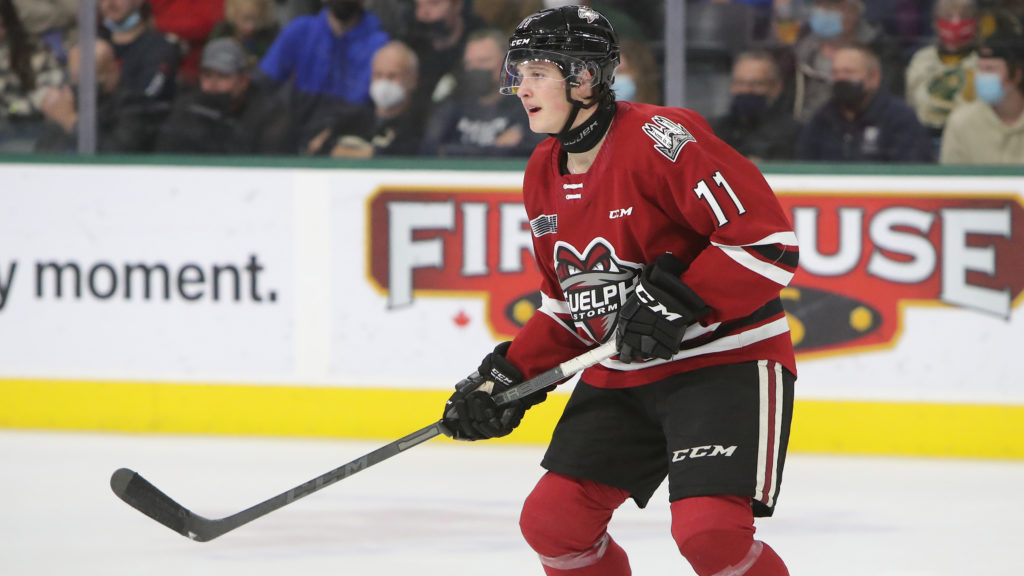
    Cameron Allen, Guelph Storm, OHL, #35-45 overall (2nd Round).

    Cam Allen of the Guelph Storm. Photo by Luke Durda/OHL Images

    “A stay-at-home defenseman who is positionally sound and strong in front of his own net.” – Jody Horak.

    Cameron Allen is an old-school defenseman in many ways. He loves playing physical man-on-man hockey, has excellent shut-down positioning, and can make great passes to make him a bit of a two-way defenseman if needed. But where Allen shines is his tenacity and drive to play. He led Canada to gold in the Hlinka Gretzky Cup in 2022 and was seen actually leading out there on the ice. Fighting for his teammates and standing up for his coach. He’s every coach’s dream defenseman, making him undoubtedly one of the best overall in the draft. While he may fall short in individual skill-based qualities like skating, shooting, puck control, etc. Allen arguably has one of the best mindsets out of all the defensemen in the draft. He’s going to play for his team and play the style of game that he needs to play. So while he may not be the best defenseman overall, Cameron Allen of the Guelph Storm is the best defensive defenseman in the 2023 NHL draft class.

    For more information on the 2023 NHL Draft class be sure to pick up your copy of the comprehensive DraftPro 2023 NHL Draft Guide.
    https://draftprospectshockey.com/draftpro-2023-nhl-draft-guide/
  • DRAFTPRO – DRAFT DAY HISTORY – CHICAGO BLACKHAWKS

    DRAFTPRO – DRAFT DAY HISTORY – CHICAGO BLACKHAWKS

    By Zackery Robert

    Coming in at seventh in this draft day history series is a team that has had some of the, if not the, best drafting success in the 2000s. Drafting quality players and future Hall of Fame players. The Chicago Blackhawks have one of the best track records in the last 20 years when it comes to their drafting and development and it led to three stanley cups in under 10 years. We will take a look at some of those players who made the cut and some that just didn’t quite fit.

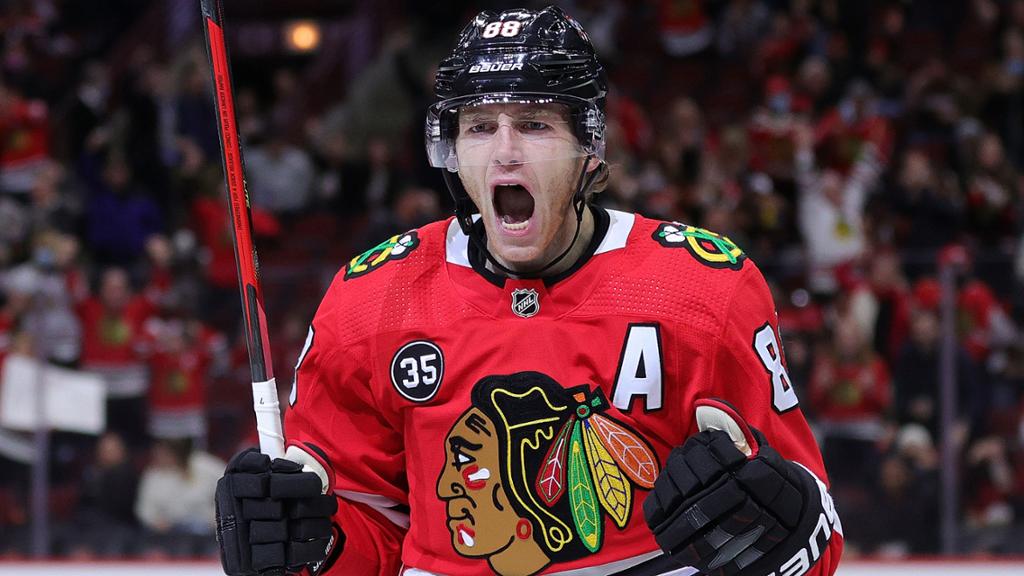
    To start off the ones that fit right in we will backtrack to the 2007 draft where Chicago won the lottery and moved up from the second to first slot and chose Patrick Kane. Kane was a perennial all star for the Hawks. Not only contributing heavily in team success but also personally. Kane won three Stanley cups with the Hawks and he took home one of the Conn Smythe trophies as playoff MVP during their runs. Kane also won a Calder trophy, Art Ross, Hart and Ted Lindsay trophy during his time in Chicago. Kane was just traded this season to the Rangers ending his tenure with the Hawks, the former number one overall pick ends up with 1161 games, 446 goals and 779 assists for a whopping 1225 points in those 1161 games.

    Coming up next is Winnipeg born centre Johnathan Toews, a staunch two way forward and captain of the Hawks who helped guide them to three Stanley cup victories. Toews was drafted in 2006 third overall to the Blackhawks and began playing for them in the 2007-2008 season. Toews has played his entire 15 year career in Chicago and has become an all time great for the team. With almost 900 points in just under 1100 games the two way forward has definitely found himself up in the rafters with the rest of the Chicago elite once he hangs up his skates.

    Third was a rough one with two players sticking out as great choices. Both Duncan Keith and Denis Savard were Blackhawk legends but for arguments sake this spot goes to Duncan Keith. Keith was selected in the second round 54th overall in the 2002 draft. Making his NHL debut in the 2005-2006 season Keith would only need four seasons to capture the first of his two Norris trophies. Along with the two Norris trophies Keith was also the backbone on defence for the Hawks during their dynasty run, earning himself a Conn Smythe in the 2014-2015 season. Keith was a fan favourite in Chicago and will definitely see his number in the rafters in Chicago in the not so distant future.

    Now we will talk about the picks that did not go so well. To begin we will go back to the 2000 draft, Chicago held the 10th and the 11th picks that year and selected Mikhail Yakubov 10th and Pavel Vorobiev 11th. Both were Russian forwards and their total combined games played with the Chicago Blackhawks were 97, Yakubov played 40 and Vorobiev played 57. Yakubov scored a total of 11 points in his 40 career games with the Hawks and Vorobiev totalled 25 points in his 57 career games with the Hawks. Both players spent a large majority of their careers in Russia so the fact that Chicago had two back to back high picks that both did not pan out hurts even more and lands these two picks on the list of wishing for a Time Machine.

    For the third and final player on this list we will have to go back to the 1989 draft when Chicago held the sixth overall pick that year. The Hawks went with defenseman Adam Bennett and in his total of 21 games played for the Blackhawks he scored zero goals and recorded two assists. He ended up playing only one more season in Edmonton where in 48 games he scored three goals and six assists for his total career points of nine. In this draft there were a handful of much better options that were available for the Hawks, Bobby Holik, Adam Foote, Olaf Kolzig, and Patrice Brisebois but opted for Bennett instead and it did not pan out which puts Bennett on this list of missed picks.

    Flash forward to 2023 and the Blackhawks are in full blown rebuild and are out of the playoffs and look to end up with a top three pick in this year’s draft. They are in need of a new superstar to rebuild around so being that they will end up with one of the best picks in the draft it would make sense that they would target the following three players, Connor Bedard, Adam Fantilli and Leo Carlsson. They should go away from selecting Michkov as he will take too long to come into the league, if at all, and given their rebuild status it would make sense to use this high pick for a player who will be in the lineup within one season. Chicago currently has a lineup of 11 picks in the 2023 draft and many in the first two rounds, 1st, 1st (TB), 2nd, 2nd (OTT), 2nd (NYR), 2nd (TB), 3rd, 3rd (DAL), 4th, 5th, 7th.

    For more information on the 2023 NHL Draft class be sure to pick up your copy of the comprehensive DraftPro 2023 NHL Draft Guide.
    https://draftprospectshockey.com/draftpro-2023-nhl-draft-guide/
  • DRAFTPRO – DRAFT DAY HISTORY – CALGARY FLAMES

    DRAFTPRO – DRAFT DAY HISTORY – CALGARY FLAMES

    By Zackery Robert

    Next up in this draft day history series, and first Canadian team, is the Calgary Flames. The Calgary Flames had their first draft back in 1980 and have picked up some gems throughout their time. Even though some of their best players in franchise history were not drafted by them, the Flames still have a lot to show for their draft history.

    To start off we will go back to the 1981 draft where the Flames were sitting 15th on the board at the draft. This was the first of two franchise defining picks in this draft, where first we saw the Flames select Al MacInnis. MacInnis was an all time great defensemen and went down as such. He played from 1981-1994 for the Flames and captured a Stanley cup with the club and took home the Conn Smythe trophy during that run as well. He had a 103 point season with the Flames and he totalled 803 games and 822 points good for a career points per game with the flames of 1.02.

    Moving on from player to goalie we have from the same 1981 draft, and it took until the third round for him to be drafted 56th overall, Mike Vernon. Vernon was the Flames first star goalie, Vernon played in parts of 13 seasons for the Flames between 1982-1994 and again in 2000-2002 and tallied 262 wins for the club and backstopped them to the Stanley cup win back in 1988-1989. The Flames honoured Vernon by retiring his number 30 on February 6th 2007.

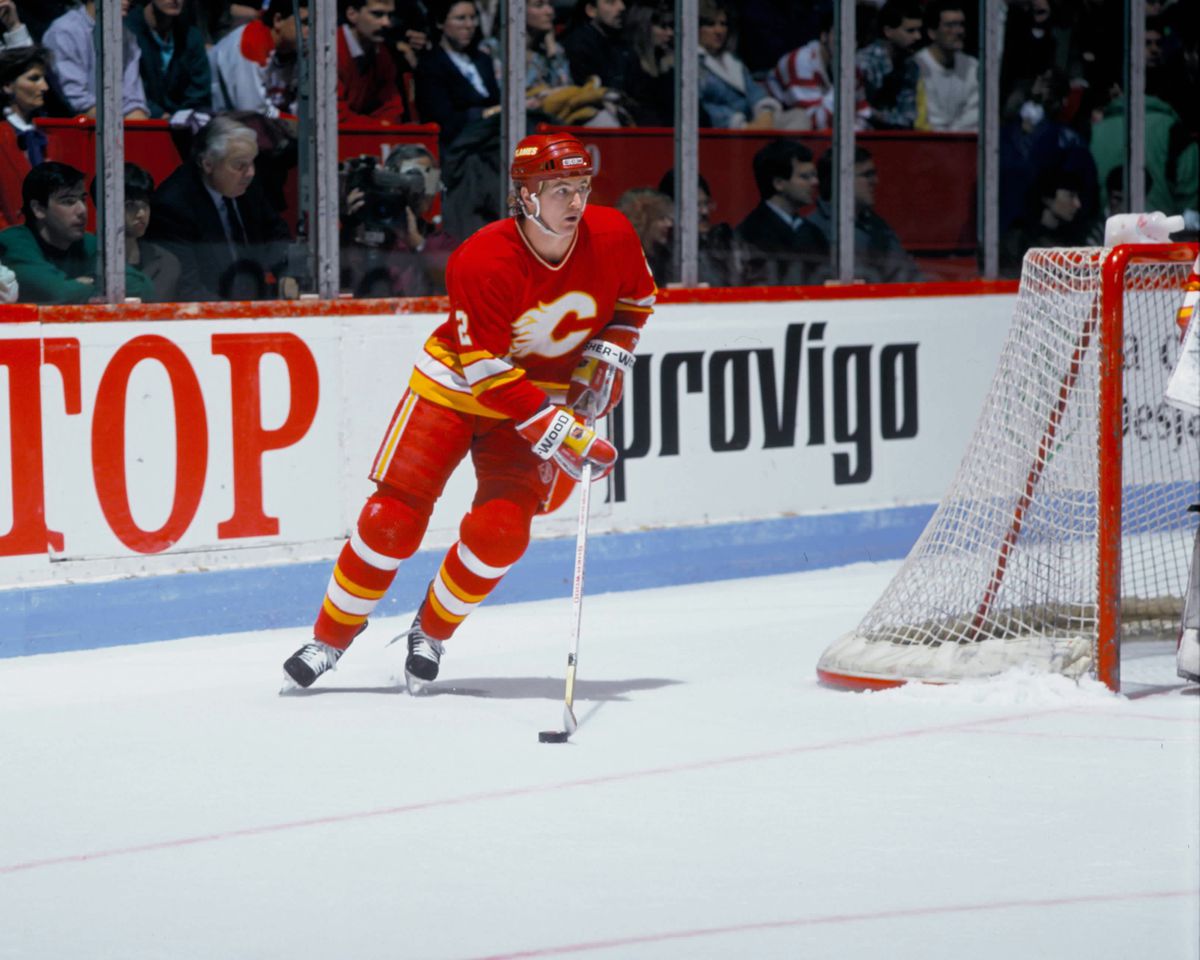
    Next up is from the 1987 draft where the Flames scored huge in the sixth round pick 166 when they chose Theoren Fleury. Fleury is the archetype for small immensely skilled forwards, he could shoot, pass, skate with speed, and score points. He had two 100 point seasons in a Flames uniform and a 50 goal season to go with that too. Fleury played in parts of 11 seasons with the Flames between 1988-1999, scoring 830 points in 791 games, good for a career ppg with the Flames of 1.05.

    Now that we’ve talked about the good of Calgary drafting let’s talk about the bad. First up we will start with Niklas Sundblad, he was drafted 19th in 1991 and played only two games with Calgary before leaving the league with zero career points. This draft has immense talent on the top end of the first round but there were still some longevity players down around the 19th mark and Calgary missed them all on this pick. Seeing what could have been with some more consistent NHLers makes this pick end up on this list.

    Coming up next is from the 1997 draft where Calgary held the sixth overall pick and used it to select centre Daniel Tkaczuk. Daniel played only 19 games in his career, all with the flames, finishing with 11 points in those games. Being sixth overall carries with it some high expectations, expectations that Tkaczuk did not come close to meeting. With a player like Marian Hosea coming off the board six picks later at number 12, seeing what he accomplished in his career makes this pick that much harder to swallow.

    The final questionable pick for the Flames would come only a year after the 1997 draft in 1998 with again the sixth overall pick. Calgary chose winger Rico Fata, in his 27 games with the Flames Fata scored only one assist and was claimed off waivers from Calgary to the New York Rangers only three years after being drafted sixth overall. Whilst this draft wasn’t one to boast incredible deep talent, there were better options for the Flames at six so this selection ends up on this list.

    Currently in 2023 the Flames find themselves just outside the playoffs and if this were to be the case at the end of the season they would likely land at pick 15-16 in the first round. The Flames do not have an incredibly deep prospect pool, with Matt Coronato and Connor Zary being their top two projects. Going into the 2023 draft the Flames have five picks, 1st, 2nd, 4th, 6th, and 7th. If they were to land at the 15-16 pick mark they could look at drafting a defensemen as their prospect pool is in some serious need of blue liners. At midway through the first round some potential defence they could draft are Swedish defensemen Tom Willander and Canadian defensemen Lukas Dragicevic. Both bring great offensive upside to their team and at midway through the round these would be two great options for the Calgary Flames to choose from.

    For more information on the 2023 NHL Draft class be sure to pick up your copy of the comprehensive DraftPro 2023 NHL Draft Guide.
    https://draftprospectshockey.com/draftpro-2023-nhl-draft-guide/
  • DRAFTPRO – DRAFT DAY HISTORY – BUFFALO SABRES

    DRAFTPRO – DRAFT DAY HISTORY – BUFFALO SABRES

    By Zackery Robert

    Next in this series is the Buffalo Sabres. Buffalo has been drafting since 1970 and has over 50 years of drafting experience, both good and bad. Buffalo as of late has been drafting very well, picking up high quality prospects but of course at the cost of having a competitive team. With that, the future of the Buffalo Sabers is one to be excited about.

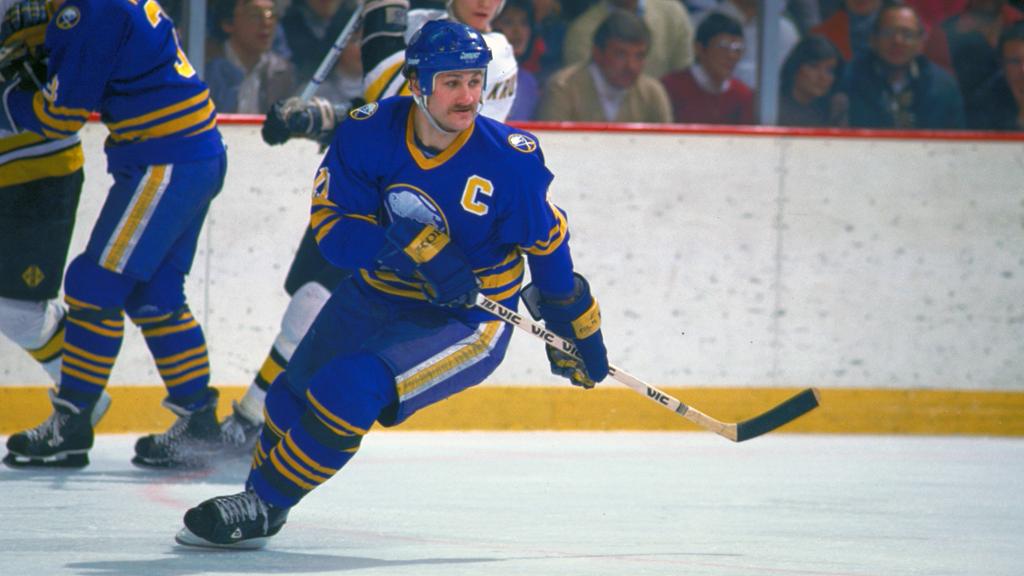
    Taking a look back at some of Buffalo’s most successful draft selections we will start out going all the way back to their first draft back in 1970 when they held the first overall pick and selected from the Montreal Junior Canadiens, Gilbert Perrault. Perrault was an icon in Buffalo, being their first true superstar Perrault spent his entire 17 year career in a Sabres uniform scoring 1326 points in 1191 games. He was a part of the French Connection line in Buffalo and with his style and speed he put the Buffalo Sabres on the map. He is in the Hockey Hall of Fame and was the first player to have his number retired by the Buffalo Sabres on October 17th 1990.

    Another top selection for the Buffalo Sabres was that of goaltender Ryan Miller. The American was selected in the fifth round of the 1999 draft and turned out to be the franchise goalie for the Sabres. Miller played 11 of his 18 seasons for the Sabres, and had 284 wins for the franchise. Miller also captured the Vezina in the 2009-2010 season. Miller goes down as the all time winning goalie in Sabres history and capped off his time there with his jersey retirement on January 19th 2023.

    This selection of top choice for best pick in franchise history is tough, since 2000 the Sabres have not picked much in the way of top of the league talent. There was Derek Roy and Thomas Vanek, and in the 80s they had a few very good draft picks in Phil Housely, Dave Andreychuk, and Pierre Turgeon but none of these three players played the majority of their careers in Buffalo or had their best season in Buffalo. But in this scenario I would put Phil Housely in this slot but it can be a very debatable decision. Housely was Buffalo’s best defenseman in their history even though it was only for eight seasons. He was a pillar of consistency, in those eight years he never had less than 15 goals and 62 points. In today’s game that would make him top three in Norris trophy votes every year. Housley is one of the highest scoring defenseman and he started out in Buffalo.

    Now that we’ve talked about some successful picks we will now move on to picks that are unsuccessful. Starting it off we will go to the 1992 draft where Buffalo chose David Cooper 11th overall. Cooper never even played one game with the Sabres, only playing in parts of three seasons for their AHL team before going to the Leafs. In total Cooper played 30 NHL games amassing 10 points. Not exactly the way they were hoping this pick would pan out. Even more so because three picks later Sergei Gonchar was selected.

    Next up to talk about is coming in from the 1986 draft when Buffalo held the fifth overall pick. They chose to select defenseman Shawn Anderson, Anderson split three seasons between the NHL and AHL with the Sabres totalling 113 games for the club with 32 points in that span. He was not what they had hoped for when selecting him, looking up this draft you will find two well known names drafted after him within four picks. Vincent Damphousse who scored over 1200 points in over 1300 games and at ninth you have Brian Leetch, the Hall of Fame defensemen with over 1000 points, a Calder trophy, two Norris trophies, one Conn Smythe trophy and a Stanley Cup ring to match. Buffalo would definitely go back in time if they had the chance to select Leetch again.
    For the last pick we’ll talk about we will look at the 2016 draft where Buffalo was eighth up on the podium and chose Alex Nylander. Nylander had a lot of high expectations coming in after his brother looked to be a consistent top six winger for the leafs. Nylander struggled with the Sabres being mainly an AHL player with short stints with the big club. After three failed seasons trying to crack the Sabres roster he was traded away to Chicago where did not fare much better. In total Nylander played in 19 games for the Sabres and scored six points in those games. Three players drafted after Nylander who have had great young careers so far would be Charlie McAvoy drafted 14th, Mikhail Sergachev drafted ninth overall and Jordan Kyrou drafted 35th.

    Currently the Sabres roster has now been flooded with top young talent in the likes of Tage Thompson, Rasmus Dahlin, Dylan Cozens, and Owen Power with even more young players beginning to play. Currently Buffalo is on the outside of the playoff race and could look to finish with a pick around 12-15 in the first round. Their total number of draft picks stand at eight with, 1st, 2nd, 2nd (PHI), 3rd (LAK), 4th, 5th, 6th, 7th. So looking at their first pick they could have a good chance at choosing players like Swiss defensemen David Reinbacher, Slovakian centre Dalibor Dvorsky, or another Slovakian centre Samuel Honzek.

    For more information on the 2023 NHL Draft class be sure to pick up your copy of the comprehensive DraftPro 2023 NHL Draft Guide.
    https://draftprospectshockey.com/draftpro-2023-nhl-draft-guide/